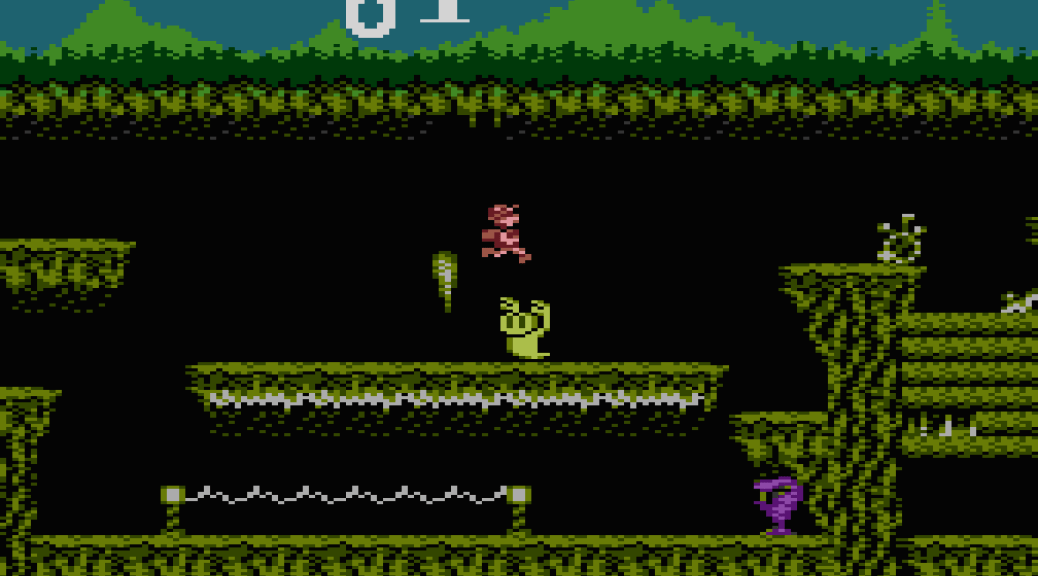
A British platform game that came quite late in the life of the Atari 8-bit computers (released by Zeppelin Games in 1990), Cavernia is a fairly simple left to right run-and-jump-a-thon but with nice presentation and decent controls.
Tag Archives: jumping

Summer Games, Atari 8-bit
Epyx‘s classic multi-event sports sim, Summer Games, first came out on the Commodore 64, and this Atari 8-bit conversion came later.
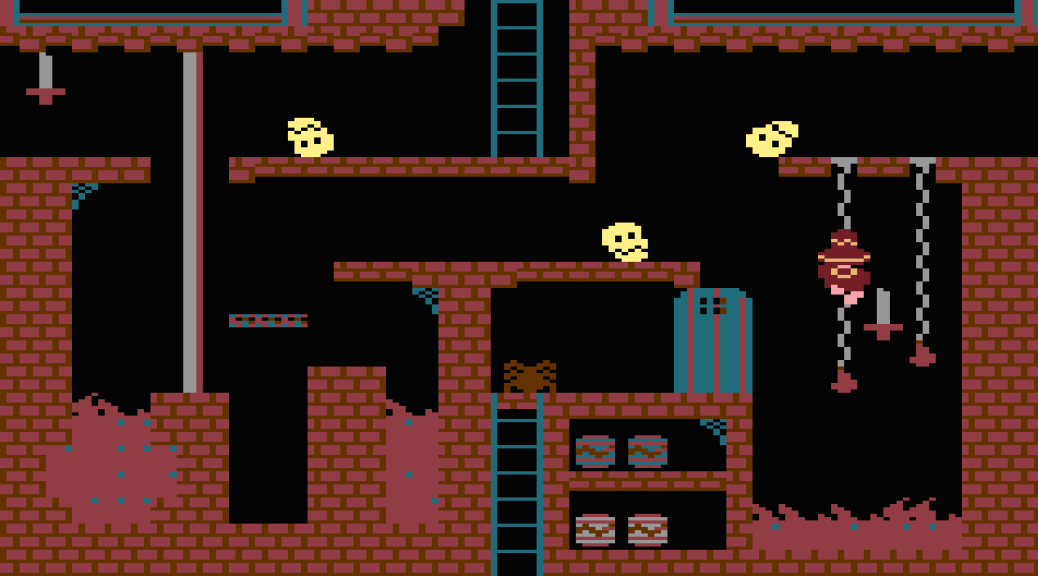
Montezuma’s Revenge, Atari 8-bit
Montezuma’s Revenge is a classic platform game originally released for Atari 8-bit computers by Utopia Software in 1983, and later re-released by Parker Brothers in 1984.
The game was written by a then 16 year-old Robert Jaeger, who made two versions of the game for Atari home computers.
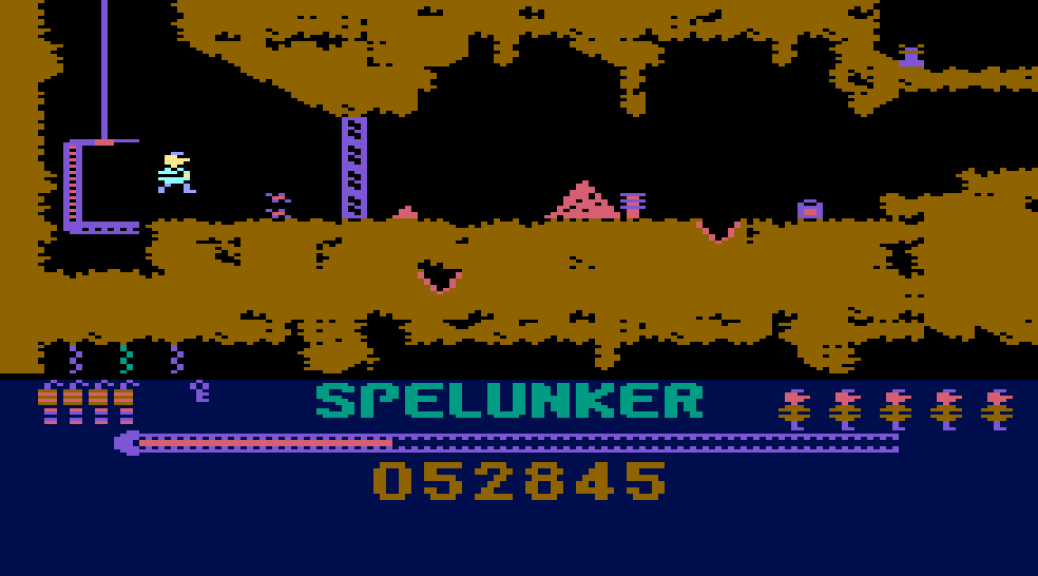
Spelunker, Atari 8-bit
This 1983 scrolling platform game was quite influential when it was first released. A lot of people tried to copy it, but very few got anywhere near as good. This Atari 8-bit version is the original.

Rainbow Walker, Atari 8-bit
Steve Coleman‘s Rainbow Walker was first published by Synapse Software in 1983.
It is an unusual, pseudo 3D platform game with a curved track of grey tiles, each of which you (a small, blobby character called Cedrick) have to step on in order to turn into coloured tiles. The aim being: to turn the entire track into a rainbow, by standing on every tile.

International Karate, Atari 8-bit
International Karate was released in 1986 by System 3 Software.
It was written by Archer MacLean and was one of the first beat ’em ups – ever – to actually feel like a decent game to play and not a ridiculous slug-fest.
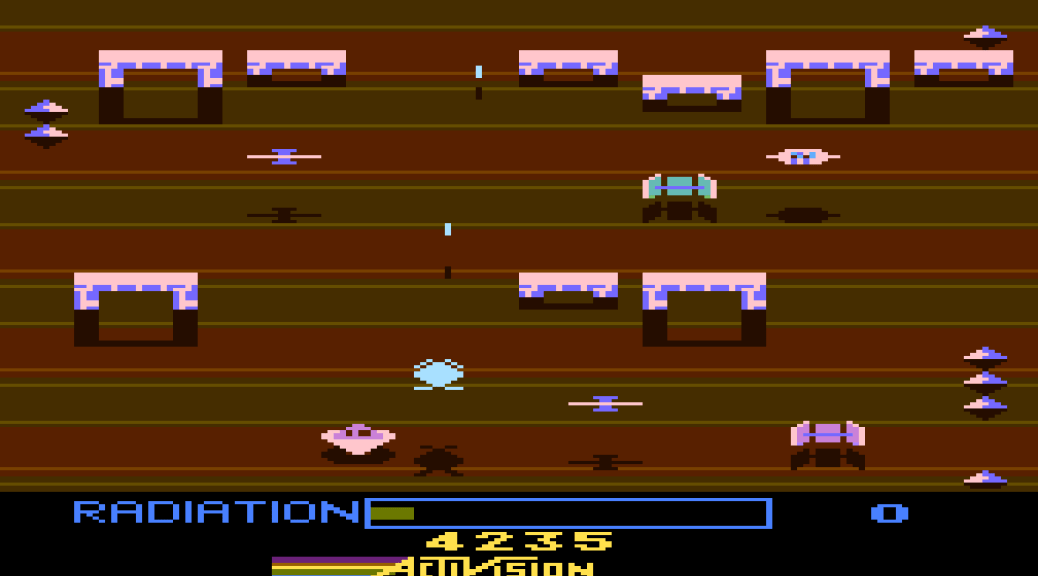
Pastfinder, Atari 8-bit
David Lubar‘s 1984 classic, Pastfinder, originated on Atari 8-bit home computers.
It’s a strange, vertically-scrolling shoot ’em up with strategic overtones.

Jumpman, Atari 8-bit
Randy Glover‘s classic platform game, Jumpman, was originally developed for the Atari 8-bit family of home computers and first published by Epyx in 1983.
The original game features 30 different levels (ten each on Beginner, Intermediate and Advanced skill settings), with the aim being to run and jump your way through the maze of platforms, ropes, and ladders, and to defuse all the bombs by touching them.
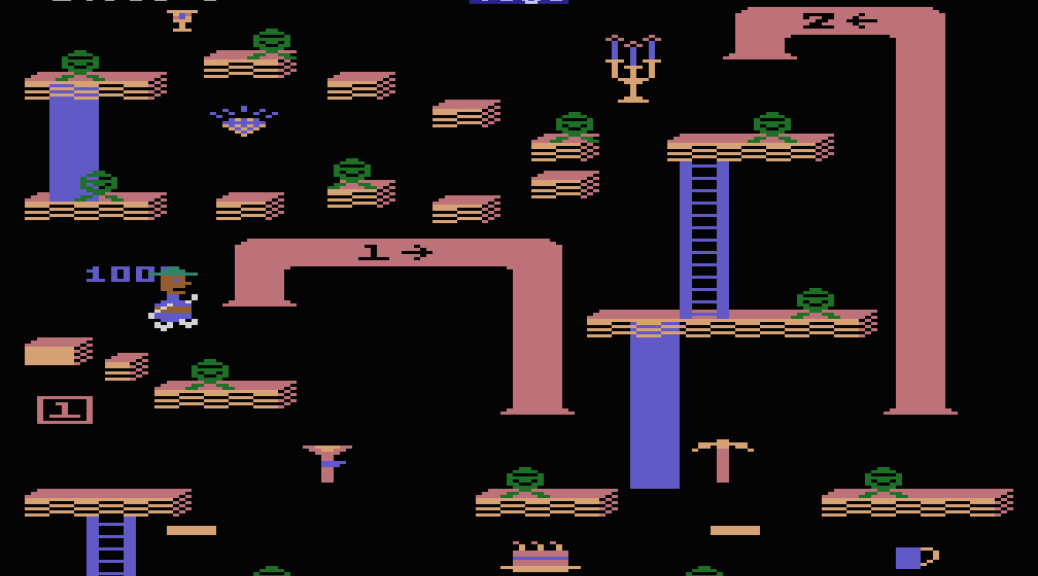
Bounty Bob Strikes Back, Atari 8-bit
The sequel to Miner 2049er, Bounty Bob Strikes Back, again features the jumping cowboy trying to walk on every piece of platform surface, although this game is much more subtle and challenging than the first one.

Miner 2049er, Atari 8-bit
The original Miner 2049er fitted into just 16K of RAM, so would run on an Atari 400 (as well as any other Atari 8-bit home computer). It is a very early platform game, written by Bill Hogue in 1982, and featuring the character ‘Bounty Bob’.

