This 2005 tennis game is one of my favourite sports games of all time.
Mario Tennis: Power Tour was developed by Camelot for Nintendo and is known as Mario Power Tennis in Europe and Australia, but I’m sticking to the original title.
This 2005 tennis game is one of my favourite sports games of all time.
Mario Tennis: Power Tour was developed by Camelot for Nintendo and is known as Mario Power Tennis in Europe and Australia, but I’m sticking to the original title.
This 2003 remake of Namco‘s SNES classic Tales of Phantasia was the first time the game had been officially translated into English.
While much of the game remains the same, there are a few differences.
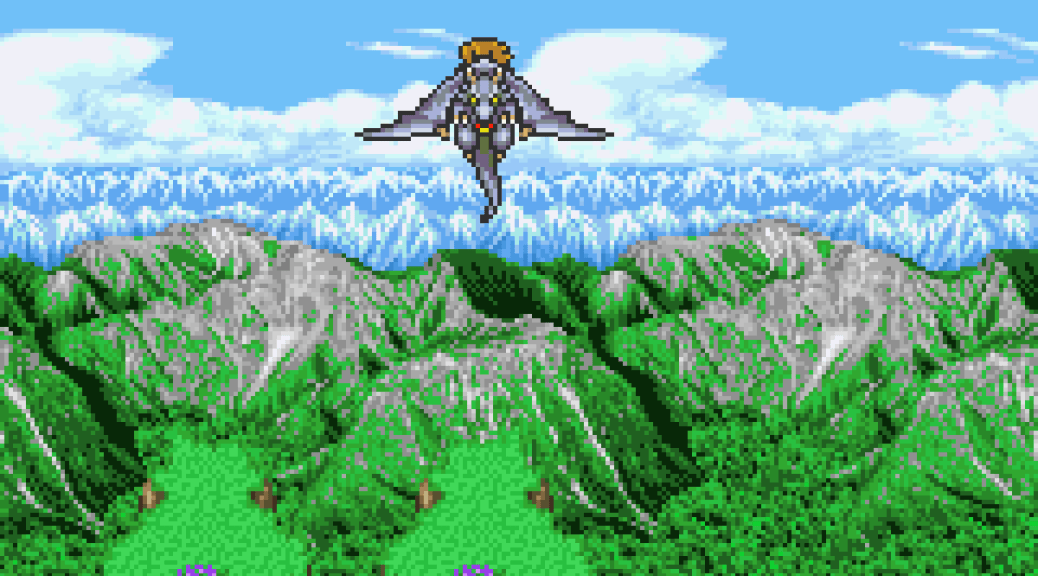
Final Fantasy VI Advance was released in Japan in 2006, and 2007 in English language territories. It’s a remake of the Super Nintendo original, developed by a Japanese company called Tose.
Final Fantasy V Advance is the third Tose-developed remake for the Game Boy Advance and was first released in 2006.
Again: it uses the same refined interface and beautifully-drawn and coloured graphics of the previous two Tose remakes and somehow manages to make the Super Nintendo original look a little drab in the process.
In the mid Noughties Japanese developer Tose undertook the task of converting and updating the early Final Fantasy games to the Nintendo Game Boy Advance for Square Enix (as they were known then).
Dawn of Souls is a GBA remake of the first two NES Final Fantasy games, and they take advantage of the Game Boy Advance‘s enhanced capabilities (enhanced over the NES, anyway).
Continue reading Final Fantasy I & II: Dawn of Souls, Game Boy Advance
Released in Japan in 2004 and everywhere else in 2005, The Legend of Zelda: The Minish Cap was developed by Capcom and Flagship, with Nintendo overseeing the project. The result is: a fantastically fun handheld adventure game, with beautiful 2D graphics and captivating gameplay.
Continue reading The Legend of Zelda: The Minish Cap, Game Boy Advance
Jester Interactive‘s 2002 remake of Manic Miner must surely rate as the best version of Manic Miner available (excepting maybe the Spectrum original), although it might play too quickly for some.
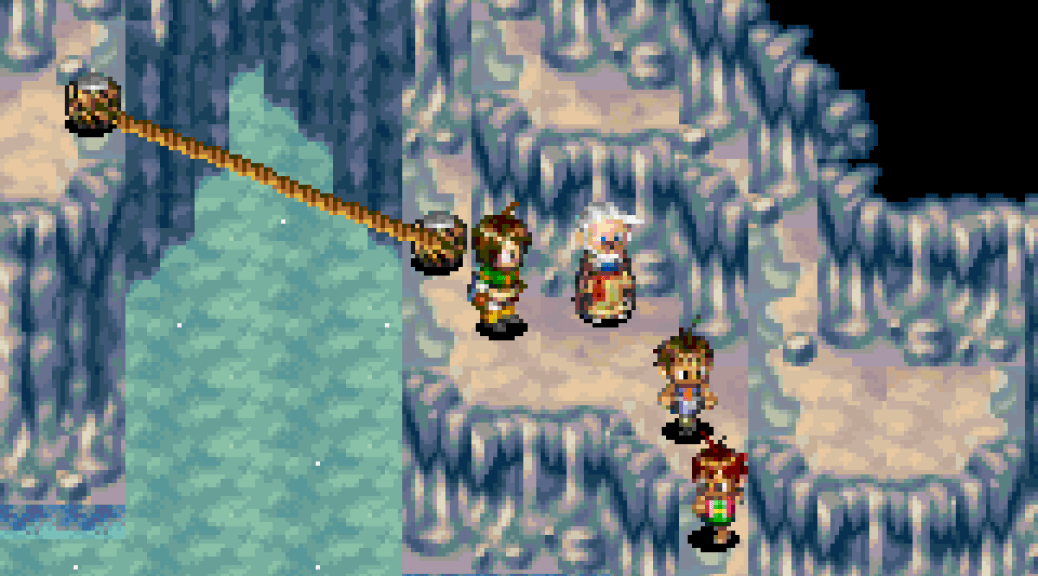
The second game in the Golden Sun series is pretty much identical to the first, which is fine because the first Golden Sun game was so good. Again: this sequel was developed by Camelot and published by Nintendo in 2002 (2003 in Europe).
Golden Sun is a brilliant and richly-detailed handheld Role-Playing Game developed by famous Japanese studio Camelot Software Planning.
It was first published by Nintendo for the Game Boy Advance in 2001 and has since gone on to become something of a legend among JRPGs fans.