
Quedex is scrolling action game programmed by Stavros Fasoulas and published by Thalamus for the Commodore 64 in 1987.
Tag Archives: difficult

Rogue, Atari 8-bit
I was hoping that the Atari 8-bit version of Rogue might be better than the other 8-bit versions (or at least a balance between the awful C64 version and the half-decent Amstrad version), but I was hoping for too much – especially as it’s another Mastertronic “special” (ie. a good example of a publisher not giving a sh*t about what they released).
Rogue, Amstrad CPC
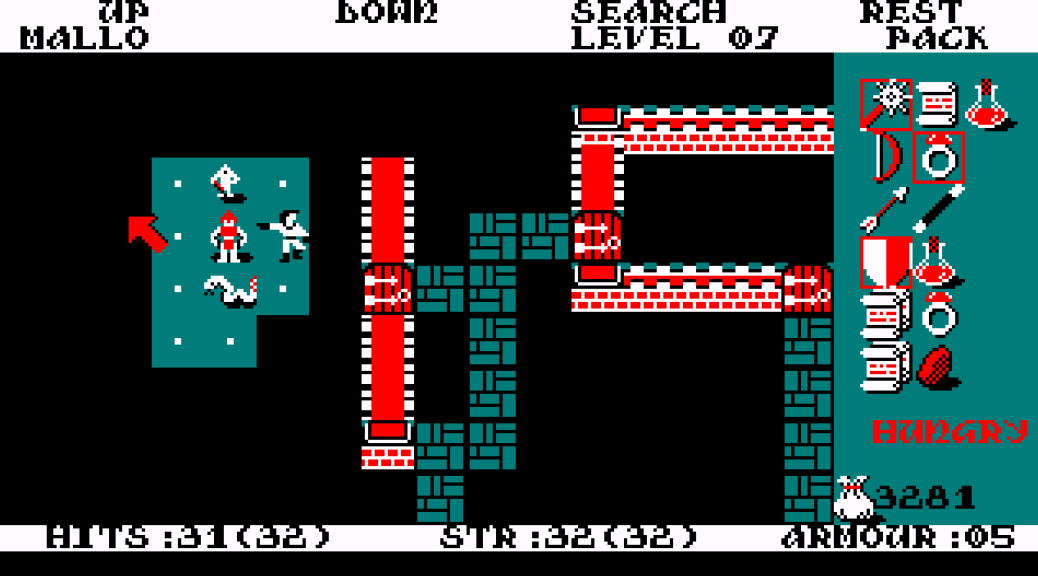
The Amstrad CPC version of Rogue is arguably the best of the 8-bit conversions from Mastertronic, although it’s not without its problems. It was developed by Icon Design and first published in 1988.

Rogue, ZX Spectrum
Rogue on the ZX Spectrum was developed by Icon Design and published by Mastertronic Added Diminsion in 1988. And it’s a pretty poor conversion of the classic dungeon-crawler.

Rogue, Commodore 64
The Commodore 64 conversion of Rogue was developed by Icon Design and published by Mastertronic in 1988, and it is a bugged, incomplete, and un-finishable version of the game that demonstrates the utter contempt for which Mastertronic held for both the game, and for gamers who paid money for it.

Rogue, Atari ST
The Atari ST version of the classic dungeon-crawler, Rogue, is arguably the best conversion of the game out there. It was developed by A.I. Design and published by Epyx in 1986 and combines the best bits from the original with new graphics and a few new features of its own.
Rogue, PC
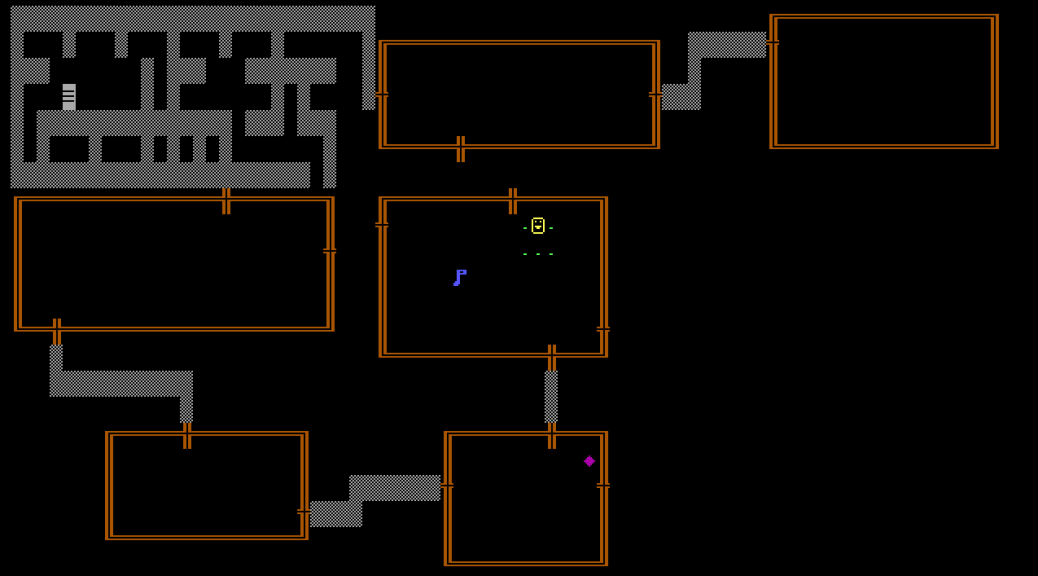
Rogue is an influential dungeon-crawling Role-Playing Game originally created by Michael Toy and Glenn Wichman (with later contributions by Ken Arnold) for Unix-based mainframes in 1980.
The original version of Rogue used the ASCII character set (text symbols) to create the world, and that is what you can see here in this first commercial version of game, published by Epyx in 1985.

Magician Lord, Neo Geo
Magician Lord is a bit of a rarity on the Neo Geo – it’s a scrolling action game based on fantasy characters. It’s like a run-and-gun game with magic, basically. Not the kind of game you see very often on the Neo Geo, and it’s a decent game to boot.

Guile, Archimedes
The best way to describe Guile on the Archimedes is: it’s a lot like David Braben‘s Zarch (aka Virus), but set in tunnels. And if you’ve ever played Zarch before then you’ll know that that means that this game is gonna be difficult…
The box describes Guile as: “a unique three-dimensional flight simulator set in a dungeon adventure“, which is sure to have any rational gamer scratching their head in confusion.
The 7th Saga, Super Nintendo
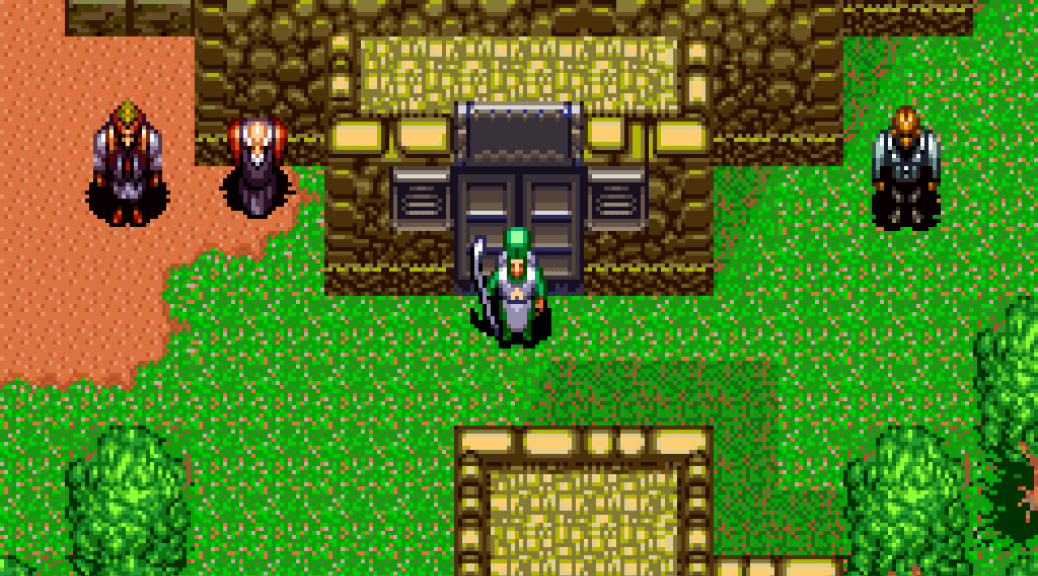
The 7th Saga is an obscure Japanese Role-Playing Game developed by Produce! and published by Enix for the Super Nintendo in 1993.
The story and gameplay of The 7th Saga are fairly simple – at least when compared to other SNES RPGs, like Seiken Densetsu 3 – but the game moves at a quick pace and also has a few unique features of its own that make it memorable.
 The King of Grabs