
The original 1981 Apple II version of Richard Garriott‘s Ultima was the first version of Ultima ever released. It was published by California Pacific Computer and is a stripped-down version of the more widespread re-release version put out by Origin Systems in 1986 (which can be seen here).
Tag Archives: bows

Shining Force: Resurrection of the Dark Dragon, Game Boy Advance
Shining Force: Resurrection of the Dark Dragon is a 2004 handheld remake of the Megadrive/Genesis game Shining Force: The Legacy of Great Intention. It features an expanded plot, three new playable characters, three new battles and various other tweaks to the gameplay.
Continue reading Shining Force: Resurrection of the Dark Dragon, Game Boy Advance
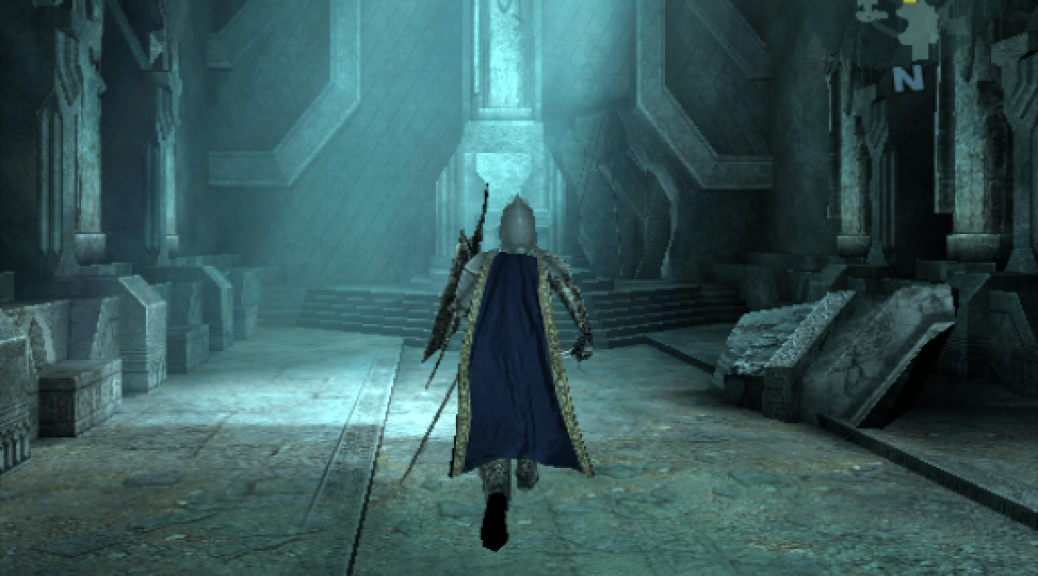
The Lord of the Rings: The Third Age, GameCube
The Lord of the Rings: The Third Age is a turn-based level-grinder, developed by EA Redwood Shores and published by Electronic Arts in 2004, loosely-based on the Peter Jackson Lord of the Rings trilogy of films. It is NOT based on J.R.R. Tolkien‘s famous novel, because the rights for the book were held by Vivendi Universal Games at the time, although Electronic Arts did hold the rights to make video game adaptations of the New Line Cinema films. Which is a little confusing, but the plot in this game is a non-canonical story that runs parallel to the narrative of the films. Anything from the novels not specifically mentioned or depicted in the films could not be represented in this game.
Continue reading The Lord of the Rings: The Third Age, GameCube

Ravenloft: Stone Prophet, PC
Developed by Dreamforge Intertainment and published by SSI for PC MS-DOS in 1995, Ravenloft: Stone Prophet is a first-person Role-Playing Game and follow-up to Ravenloft: Strahd’s Possession and it uses the same game engine as its predecessor but is generally considered to be a better game overall.

Rogue, Atari 8-bit
I was hoping that the Atari 8-bit version of Rogue might be better than the other 8-bit versions (or at least a balance between the awful C64 version and the half-decent Amstrad version), but I was hoping for too much – especially as it’s another Mastertronic “special” (ie. a good example of a publisher not giving a sh*t about what they released).
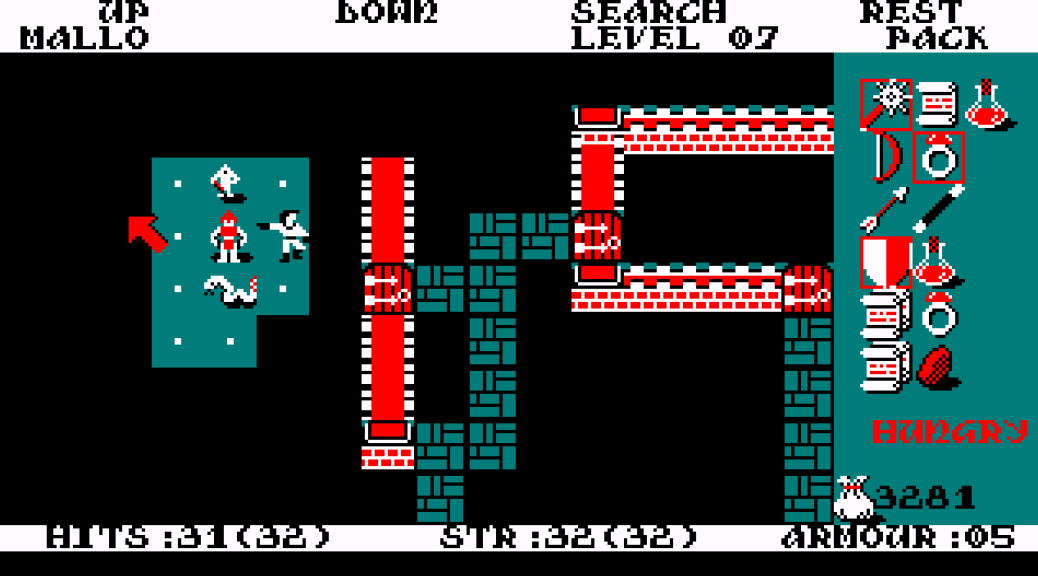
Rogue, Amstrad CPC
The Amstrad CPC version of Rogue is arguably the best of the 8-bit conversions from Mastertronic, although it’s not without its problems. It was developed by Icon Design and first published in 1988.

Rogue, ZX Spectrum
Rogue on the ZX Spectrum was developed by Icon Design and published by Mastertronic Added Diminsion in 1988. And it’s a pretty poor conversion of the classic dungeon-crawler.

Rogue, Commodore 64
The Commodore 64 conversion of Rogue was developed by Icon Design and published by Mastertronic in 1988, and it is a bugged, incomplete, and un-finishable version of the game that demonstrates the utter contempt for which Mastertronic held for both the game, and for gamers who paid money for it.

Rogue, Atari ST
The Atari ST version of the classic dungeon-crawler, Rogue, is arguably the best conversion of the game out there. It was developed by A.I. Design and published by Epyx in 1986 and combines the best bits from the original with new graphics and a few new features of its own.
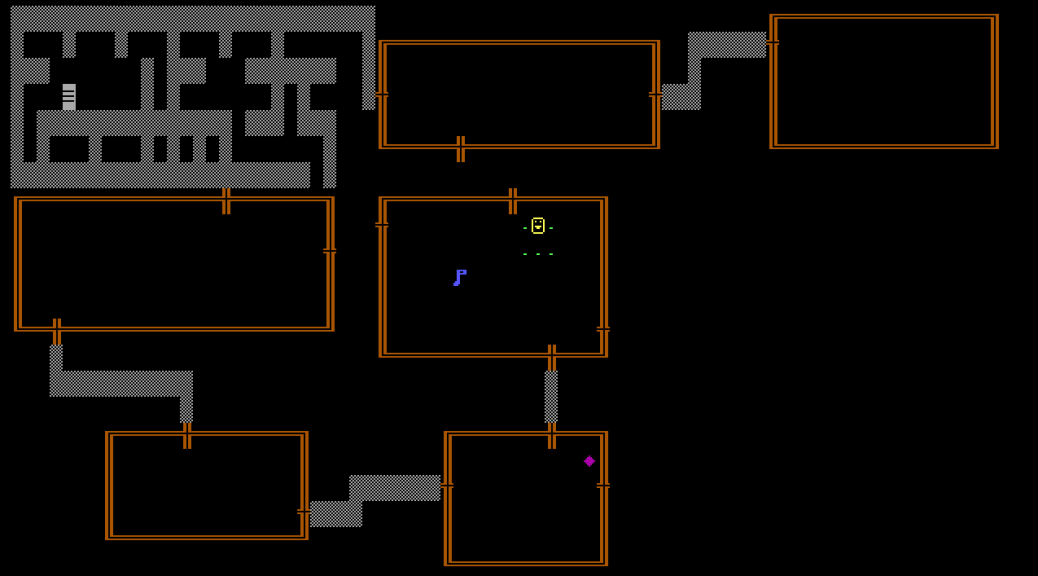
Rogue, PC
Rogue is an influential dungeon-crawling Role-Playing Game originally created by Michael Toy and Glenn Wichman (with later contributions by Ken Arnold) for Unix-based mainframes in 1980.
The original version of Rogue used the ASCII character set (text symbols) to create the world, and that is what you can see here in this first commercial version of game, published by Epyx in 1985.
 The King of Grabs