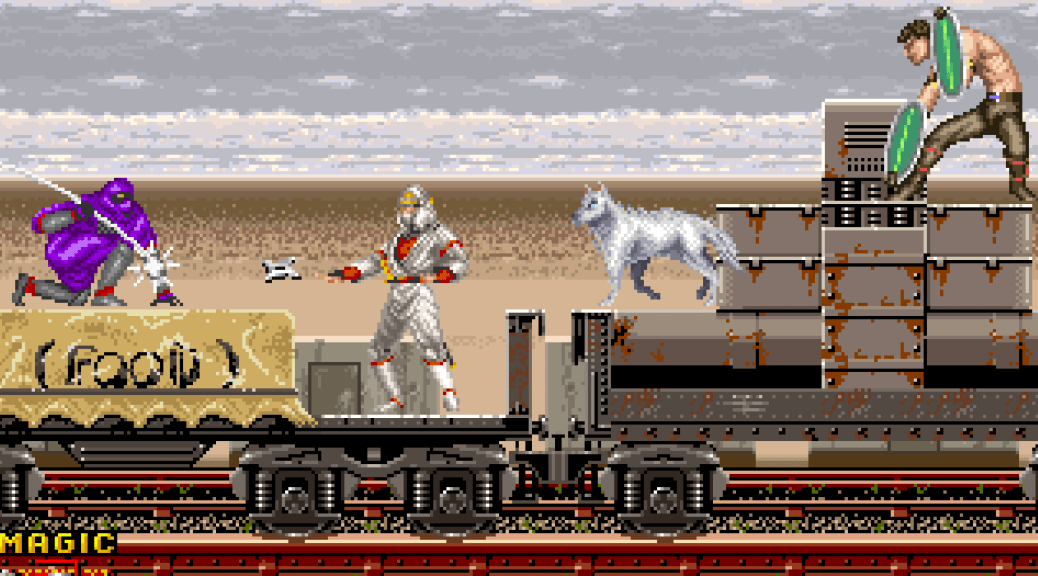
Sega‘s arcade game, Shadow Dancer, is the sequel to 1987’s arcade hit, Shinobi. It is the second (and final) arcade game in the Shinobi series, and was first distributed into arcades in 1989.
Tag Archives: throwing

Shinobi, Game Gear
Also known as “The G.G. Shinobi“, this was the first Shinobi game released for a handheld console, initially coming out in 1991.

Shinobi III: Return of the Ninja Master, Megadrive/Genesis
Shinobi III: Return of the Ninja Master is the second sequel in the Shinobi series, released by Sega – exclusively for the Megadrive/Genesis – in 1993. Shinobi III sees Sega slightly changing the focus of this famous platform/action game, with less emphasis on difficulty and more on the speed at which you play the game and the timings of your attacks. Which will be welcomed by some players.
Continue reading Shinobi III: Return of the Ninja Master, Megadrive/Genesis

The Revenge of Shinobi, Megadrive/Genesis
The Revenge of Shinobi (known in Japan as “The Super Shinobi“) is the 1989 Megadrive/Genesis sequel to the classic Sega arcade game. It once again features Joe Musashi, and takes place three years after the events of the first game. The criminal organization “Zeed” have reformed and have renamed themselves “Neo Zeed“, and they have decided to exact their revenge on the Oboro Ninja Clan by killing Joe’s master and kidnapping his bride, Naoko. So you must rescue your fiancée, and get revenge for the death of your master.

Shinobi, Sega Master System
The Master System conversion of Sega‘s 1987 arcade game, Shinobi, is arguably the best of its type on the console. The developers have obviously taken care to make the game play well and look as good as possible on Sega‘s 8-bit system.
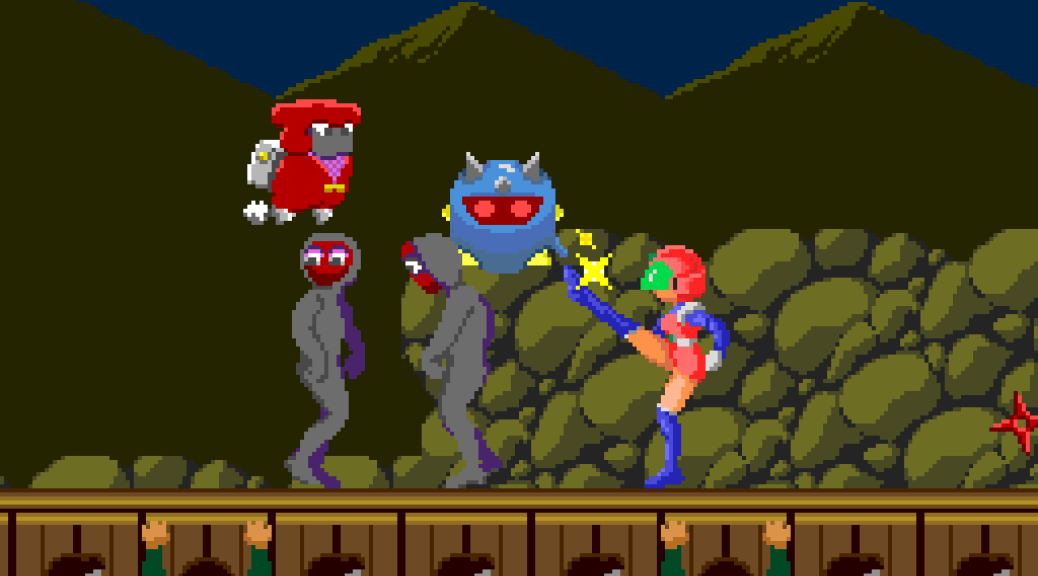
Wonder Momo, PC Engine
Developed by Namco and published – in Japan only – by NEC Avenue in 1989, Wonder Momo is a conversion of a weird Japanese arcade game featuring a female lead character who must fight off attackers during a theatre stage play. And, if that sounds bizarre, then – well – that’s because it is! Unlike the arcade original, the PC Engine version of Wonder Momo has been fan-translated into English and Spanish, so is more accessible to Western audiences.

Wonder Momo, Arcade
I first encountered Namco‘s Wonder Momo on the PC Engine, because it had received a fan translation, and I was curious to see what the game was about. I then discovered that it was a conversion of a 1987 arcade game, featuring a young girl called Momo, who can turn into a ‘superhero’ by building up her “Wonder Meter“.
This bizarre arcade game was only ever released in Japan, but has subsequently built up a cult following around the world, and has also inspired manga/anime, and resulted in a sequel that was released in 2014.

Gauntlet: Seven Sorrows, PlayStation 2
Gauntlet: Seven Sorrows is the seventh game in the Gauntlet series, and is a much better attempt to bring the game into the 3D gaming realm than Gauntlet Legends or Gauntlet Dark Legacy, the previous two games in the series. It was developed by Midway Studios San Diego and published by Midway Games for the PlayStation 2 and XBox in 2005. An XBox 360 version was released in 2008.

Gods, Amiga
Developed by The Bitmap Brothers and published by Renegade Software for the Amiga in 1991, Gods is a stylised platform game in which you play as Hercules, on a quest to make his way through five large stages, themed with Greek mythological motifs.
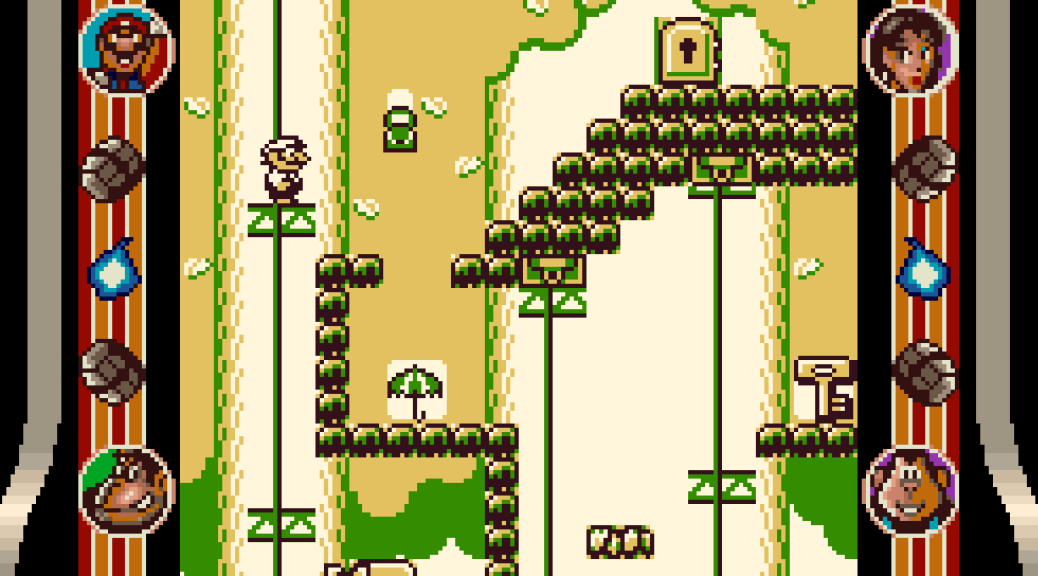
Donkey Kong, Super Game Boy
The Game Boy port of Donkey Kong was first released by Nintendo in 1994 and it really is something special. I’m showing the Super Game Boy version of Donkey Kong here, with its special arcade bezel border and enhanced colour palette. It was, in fact, the first Game Boy cartridge released with Super Game Boy enhancements. If you want to see the original B&W version, click here.
 The King of Grabs