
Arguably the best version of Andrew Braybrook‘s timeless Commodore 64 classic, Paradroid.
Paradroid Metal Edition (aka Heavy Metal Paradroid) is a suped-up version of Paradroid with faster scrolling and more responsive controls.
Arguably the best version of Andrew Braybrook‘s timeless Commodore 64 classic, Paradroid.
Paradroid Metal Edition (aka Heavy Metal Paradroid) is a suped-up version of Paradroid with faster scrolling and more responsive controls.
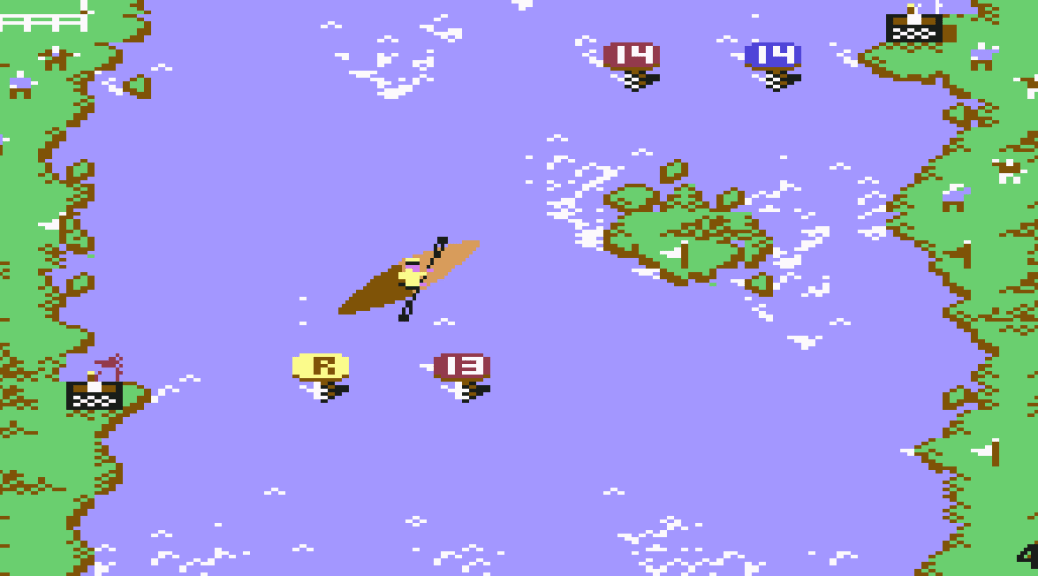
Perhaps the least orthodox Epyx multi-event sports game, but arguably the best out of all of them, California Games was first released in 1987 to much acclaim.
Sequel to the award-winning Epyx multi-event sports game, Summer Games II is arguably even better than its predecessor.
John Phillips‘ fabulous Nebulus attracted rave reviews when it was first released in 1987, and – to be honest – it still gathers rave reviews now. The Commodore 64 original in particular.
Drill Dozer is a fun, side-scrolling “drill ’em up” where you take control of a small tank with a drill on the front, which allows you to dig your way through the landscape and bump off your enemies. You can upgrade the drill as you play, which then requires the learning of new control techniques – using a kind of gear type system. It’s all quite clever and original.
Another hugely memorable Ultimate game (and the official sequel to the hit game Jet Pac), Lunar Jetman was first released in 1983 for the ZX Spectrum.
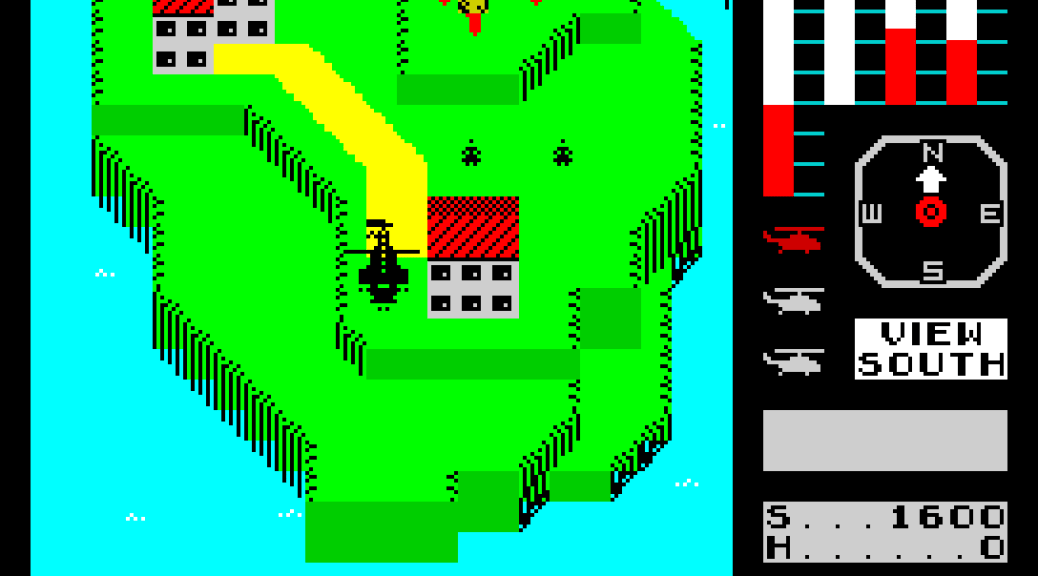
Manchester-based Vortex Software first published Cyclone on the ZX Spectrum in 1985.
A colourful helicopter action game, Cyclone was created by Costa Panayi – an early pioneer of ZX Spectrum games design, and an alumni of The University of Salford – and is a challenging race to pick up crates from a series of islands that are caught in the grip of a powerful weather system.
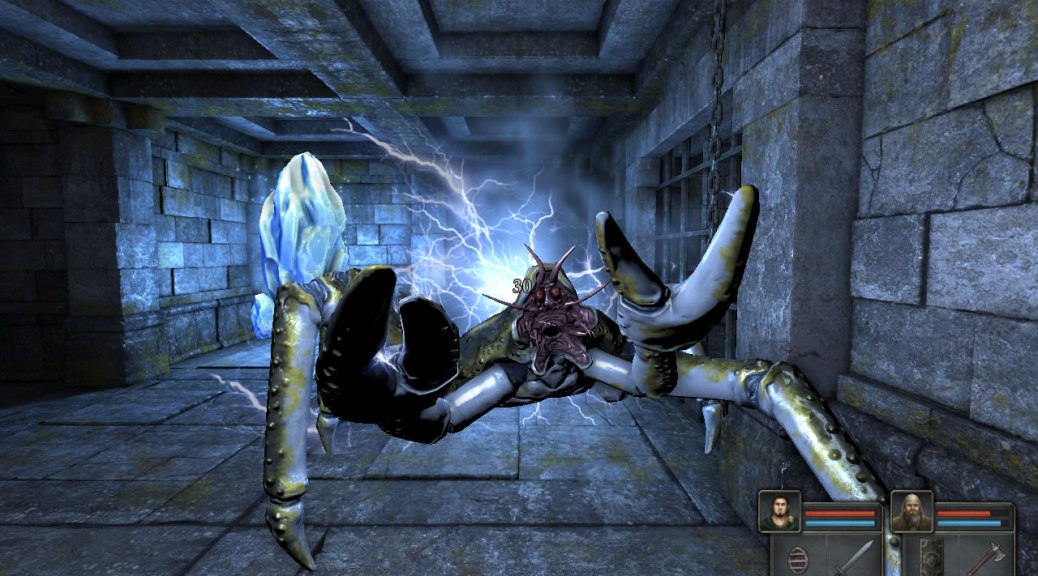
This incredible “indie” dungeon crawler absolutely drips atmosphere and is bloody terrifying in places! It’s a heck of a challenge too…
Legend of Grimrock plays very much in the mould of Dungeon Master, and other first-person, tile-based RPGs, but it does it so much better than almost all of the others.
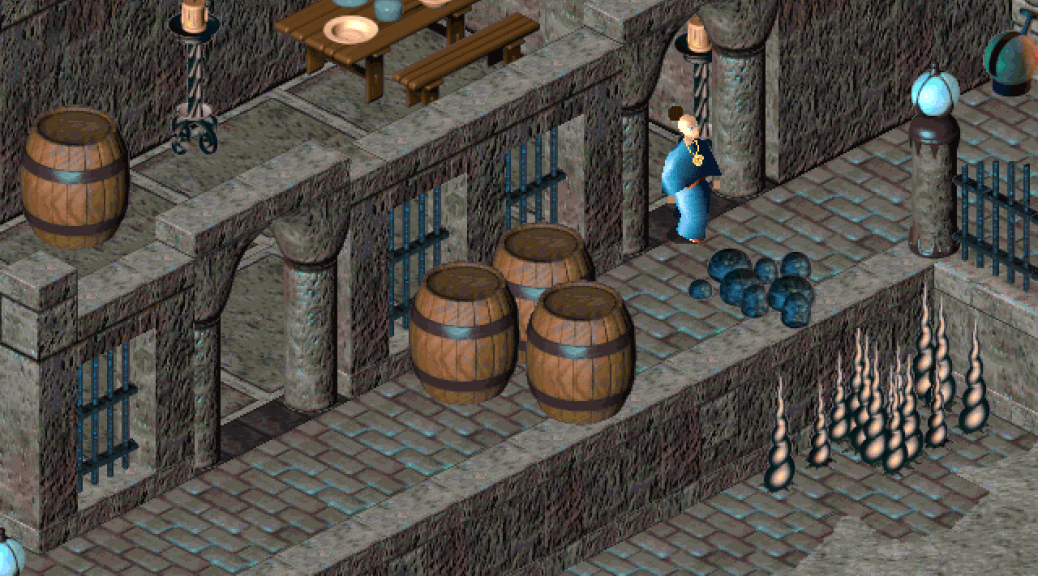
An excellent sequel to Little Big Adventure, once again developed by Adeline Software International and published by Electronic Arts, this time in 1997.
Little Big Adventure 2 is more detailed, more varied, and more fun than its predecessor, and, technically, it is also something of a leap forward – this second game having fully-rotating 3D exteriors, as well as the usual isometric, pre-rendered backgrounds seen in the first game.
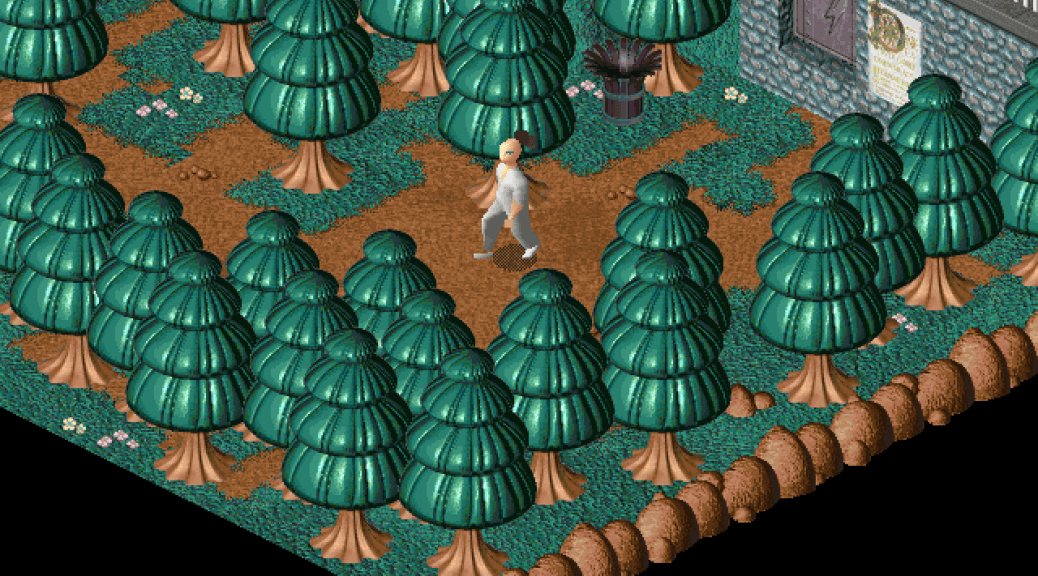
French developer Adeline Software International created Little Big Adventure (or LBA as it is affectionately known), for Electronic Arts in 1994.
The game is an isometric 3D adventure, with simple beat ’em up combat elements, and features an interesting mix of pre-rendered backgrounds (popular at the time of release, but dating badly these days), and 3D polygonal characters.




 The King of Grabs