
The ZX Spectrum conversion of Konami‘s arcade game, Combat School, was developed and published by Ocean Software in 1987.
Tag Archives: side scrolling

U.N. Squadron, Arcade
Released in Japan as “Area 88” and based on the Manga series of the same name, U.N. Squadron is a horizontally-scrolling bullet hell shooter arcade game developed and distributed by Capcom in 1989. It features three playable characters, each flying a different aircraft, and one or simultaneous two-player gameplay.

Fart Escape, Commodore 64
Released by Picaro Games in 2018, Fart Escape is a humorous, free to download and play homebrew title that is a variation on the Angry Birds style of gameplay, except that you control a guy who propels himself into the air using only the power of his own ‘trouser trumpets’.

Zero Wing, Megadrive/Genesis
The English language Sega Megadrive conversion of Toaplan‘s Zero Wing has gone down in history as one of the (unintentionally) funniest games of all time. The intro sequence (which was created for this version of the game and does not appear in the arcade original) features some of the most hilariously bad translations of all time, including the now iconic sentence “All your base are belong to us“, which became a meme in the early 2000s.

Zero Wing, Arcade
Zero Wing is a side-scrolling bullet hell shooter developed by Toaplan and distributed into arcades by Namco in Japan and Williams Electronics in North America in 1989.
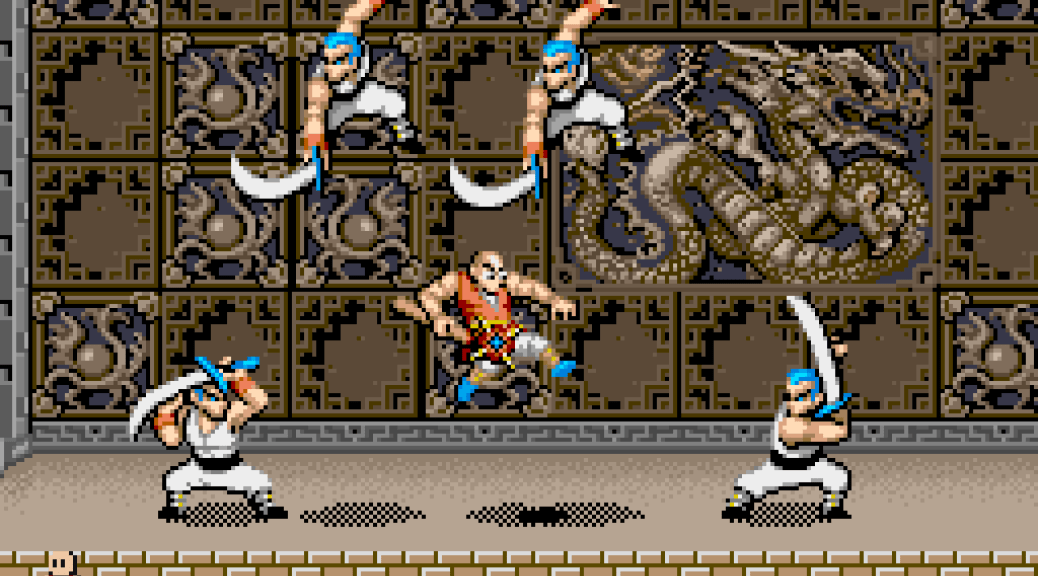
Tiger Road, Arcade
Tiger Road is a single-player hack-and-slash platform/action game, released into arcades by Capcom in 1987. It pre-dates Sega‘s Golden Axe by two years, but is very similar in terms of gameplay.
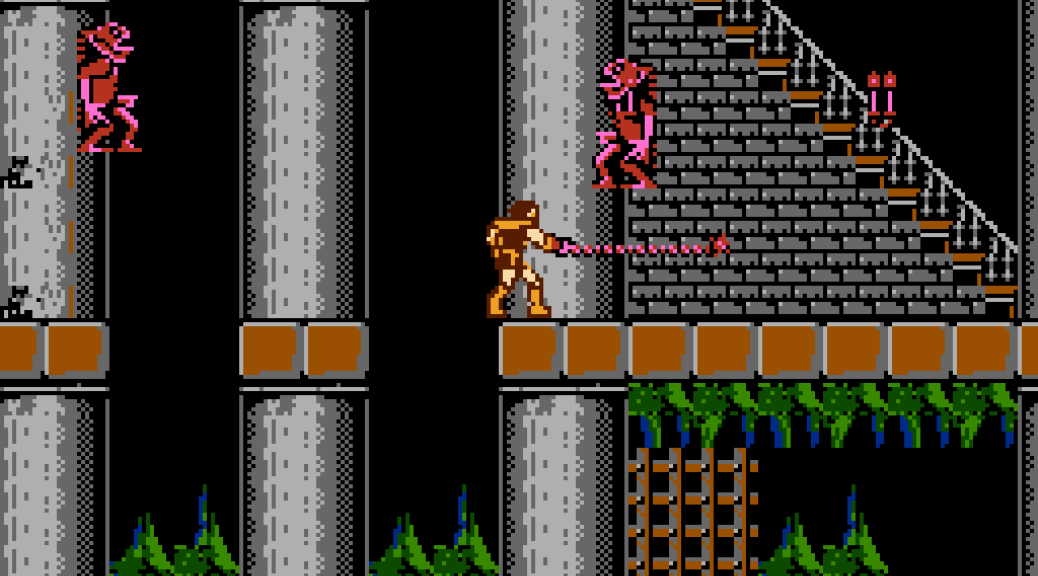
Castlevania, NES/Famicom
The first Castlevania game was initially released in Japan, by Konami, under the title of “Akumajō Dracula” in 1986. Versions for the MSX2 and Famicom Disk System were developed simultaneously, with the Famicom version coming out on 26th September, and the MSX version a month later, on 30th October. That same game was later released in Europe on 30th October 1987 – translated into English – under the title of “Vampire Killer“.
When it came time to convert the game to the Nintendo Entertainment System for a North American release it was decided to re-title the game as “Castlevania“*. This turned out to be a significant decision as it became a big hit and grew to become a popular and well-known series of video games. The name “Castlevania” entered into the lexicon of classic, instantly-recognisable game titles, later becoming a portmanteau of “Metroid” and “Castlevania” (“Metroidvania“) to describe an entire sub-genre of action/platform games that all share similar gameplay features.
*= Although it’s not clear who actually came up with the name “Castlevania” it has been reported that the change was due to Konami of America senior vice president Emil Heidkamp‘s discomfort with the religious connotations of the title “Akumajō Dracula“, which he believed translated as “Dracula Satanic Castle” (although some argue that it translates as “Demon Castle Dracula“).
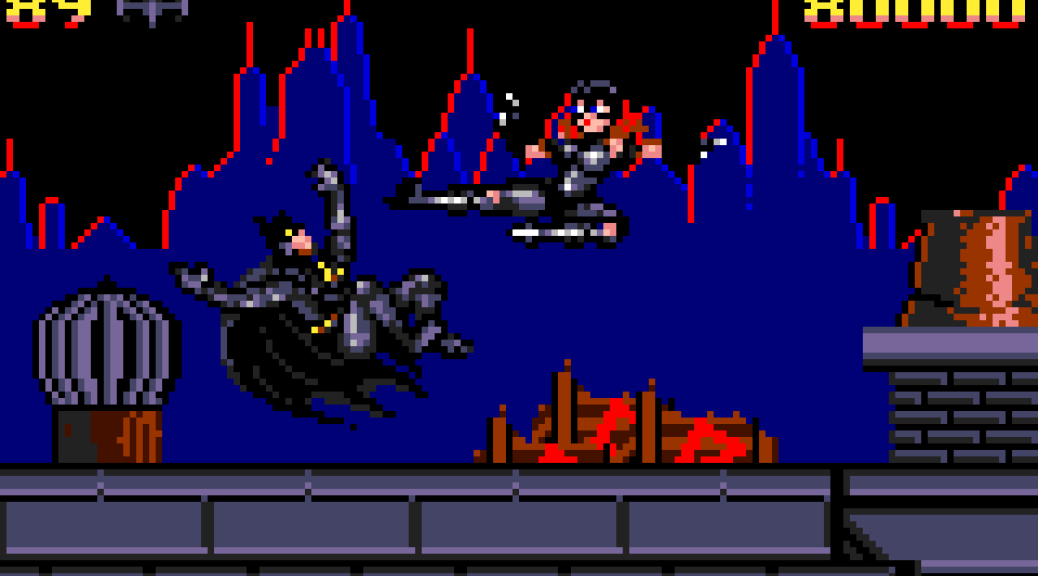
Batman Returns, Atari Lynx
Batman Returns on the Atari Lynx was first published by Atari Corporation in 1992. It’s a scrolling action game that sadly lacks fun and playability.
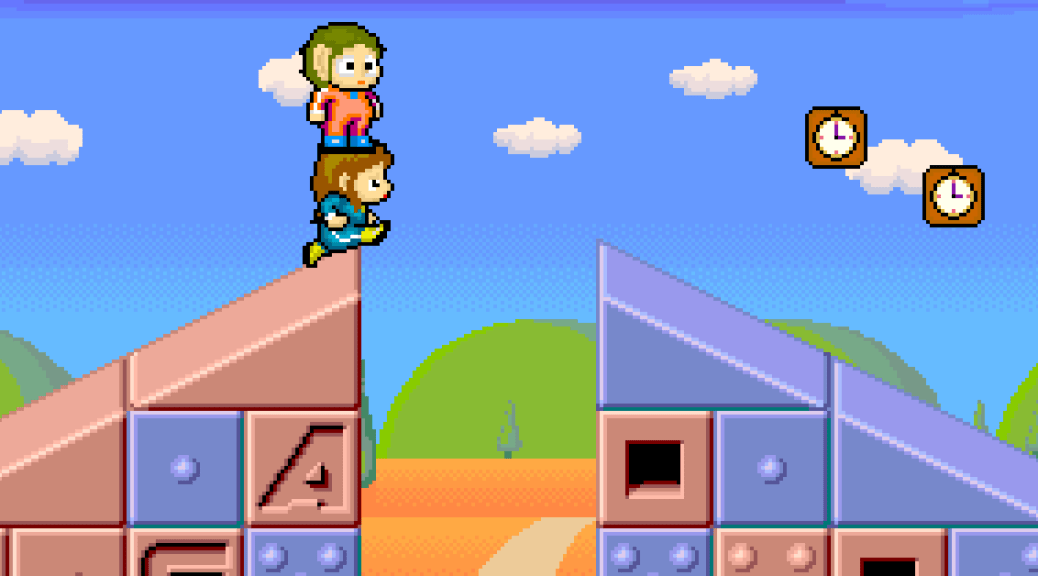
Alex Kidd: The Lost Stars, Arcade
The second game in the Alex Kidd series, and the only one released as an arcade game, Alex Kidd: The Lost Stars is a one or simultaneous two-player platform game, developed by Sega and first released in 1986. It of course features the cute boy wonder, Alex Kidd, although this time he’s accompanied by his female partner, Stella. Stella can be played alone or cooperatively with Alex.

Shadow of the Beast, Super Nintendo
***CANNED GAME***
The Super Nintendo version of Shadow of the Beast was prefixed with the word “Super” to differentiate it from other ports, and… it was cancelled before release and never officially made it out. It was developed by IGS (Information Global Service) and an unfinished prototype of the game was leaked in 1993.
 The King of Grabs