
In the mid Noughties Japanese developer Tose undertook the task of converting and updating the early Final Fantasy games to the Nintendo Game Boy Advance for Square Enix (as they were known then).
Tag Archives: items

Final Fantasy IV, Super Nintendo
Looking a little primitive compared to the 2005 remake for the Game Boy Advance, this original, 1991 Super Nintendo adventure nevertheless is a pioneering game. It was the first Final Fantasy game released for the Super Nintendo (the previous three all being Famicom releases), and the first to use the “Active Time Battle” system.
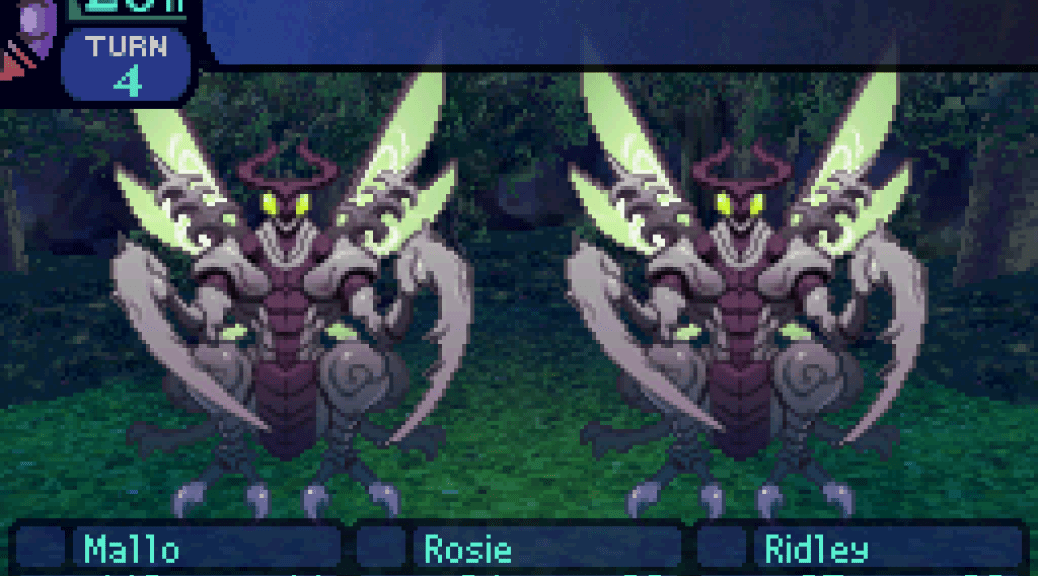
Etrian Odyssey, Nintendo DS
This pioneering Japanese RPG was first released in 2007 and paved the way for one of the greatest series in the history of level-grinders… The Etrian Odyssey series.
Number three is my favourite, but one and two are excellent too (see also the Nintendo 3DS fourth instalment), and all follow the same credo. Which is: to base a game around exploration, mapping, and turn-based combat. And to make the party system flexible, so that adventurers can take out different parties and experiment with character skills.
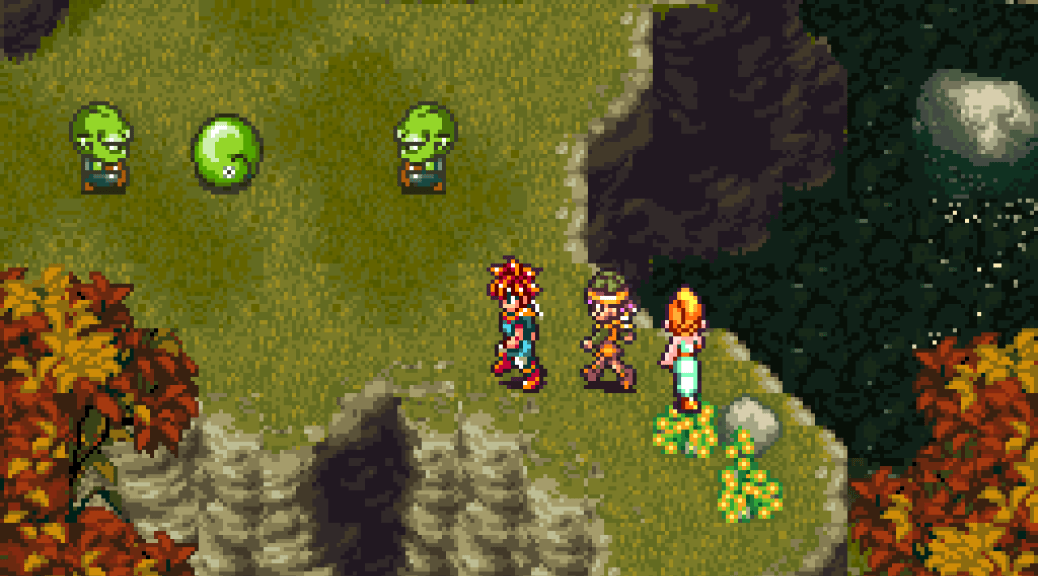
Chrono Trigger, Super Nintendo
Initially released for the Super Nintendo in 1995, Chrono Trigger is another top quality level-grinding RPG from those masters at Square – this one about a group of adventurers who travel through time to prevent a global catastrophe.
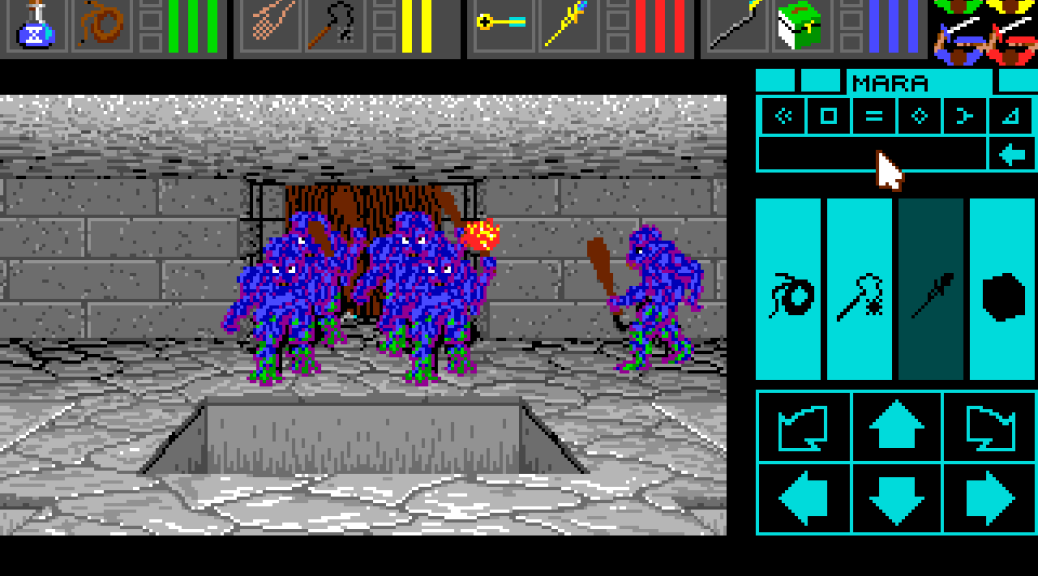
Dungeon Master: Theron’s Quest, PC Engine
Theron’s Quest is a modified version of the incredible Dungeon Master, released for the PC Engine in Japan in 1992 and the TurboGrafx-16 in North America in 1993.
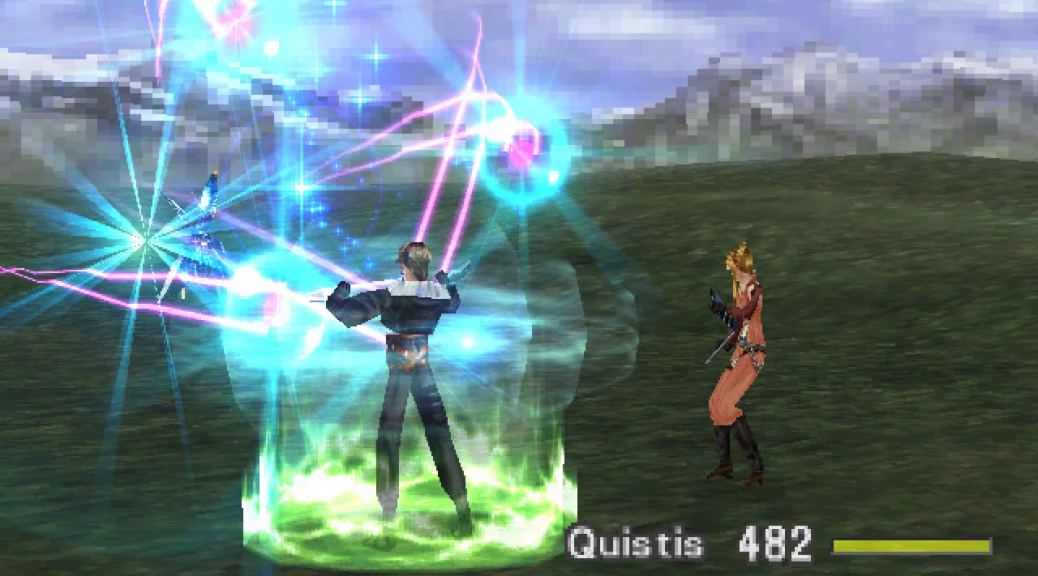
Final Fantasy VIII, PlayStation
Considered something of a curveball to the hugely successful episode seven, Final Fantasy VIII (eight) is more great level-grinding goodness from Japanese dev Gods, Square. This one released in 1999.
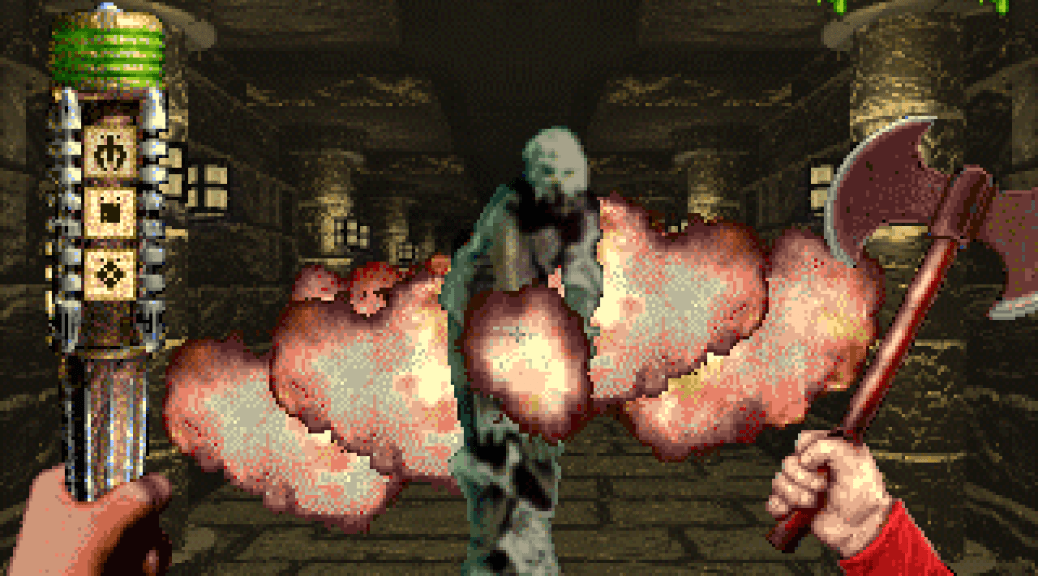
Stonekeep, PC
Stonekeep is a strange first-person Role-Playing Game, developed and published by Interplay Productions in 1995.

Final Fantasy I & II: Dawn of Souls, Game Boy Advance
Dawn of Souls is a GBA remake of the first two NES Final Fantasy games, and they take advantage of the Game Boy Advance‘s enhanced capabilities (enhanced over the NES, anyway).
Continue reading Final Fantasy I & II: Dawn of Souls, Game Boy Advance
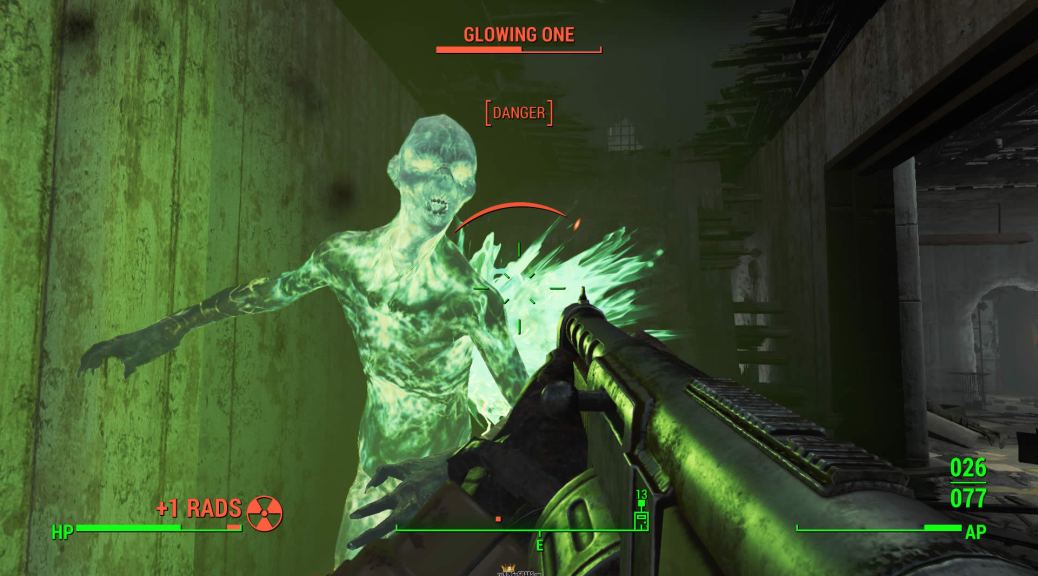
Fallout 4, PC
The fourth Fallout was released by Bethesda in 2015, some seven years after Fallout 3, and five years after Fallout: New Vegas. In fact: I would call this the fifth Fallout game, because Fallout: New Vegas was more than just game number 3.5, in my humble opinion – it was the best game in the entire series. But anyway… What do I know?

For The Frog The Bell Tolls, Game Boy
Known in Japan as Kaeru no Tame ni Kane wa Naru, this intriguing monochrome adventure game was developed by Nintendo and Intelligent Systems and released on the original Game Boy in 1992.
While it never got a release outside of Japan, a fan translation into English was released in 2011, finally making the game playable for non-Japanese-speaking gamers.

