
John Van Ryzin‘s popular H.E.R.O. (Helicopter Emergency Rescue Operation) first made its appearance on the Atari 2600 (aka Atari VCS), via Activision, way back in 1984.
Tag Archives: early

Break Dance, Commodore 64
Underneath the chubby graphics, and the cheesy tunes, is a half-decent game trying to get out…
You have to remember though: Break Dance is from 1984, and a) breakdancing was new and cool back then, and b) rhythm games hadn’t even been invented. So no one knew what a rhythm game even was…

Alchemist, ZX Spectrum
This very early, side-scrolling fantasy action game was created by Ian Weatherburn for Imagine Software in 1983.
In the game you control the titular Alchemist – a guy who can shape-shift into a golden eagle and fly to places he can’t normally walk to.

Encounter, Atari ST
Novagen released the Atari ST version of Encounter in 1991.
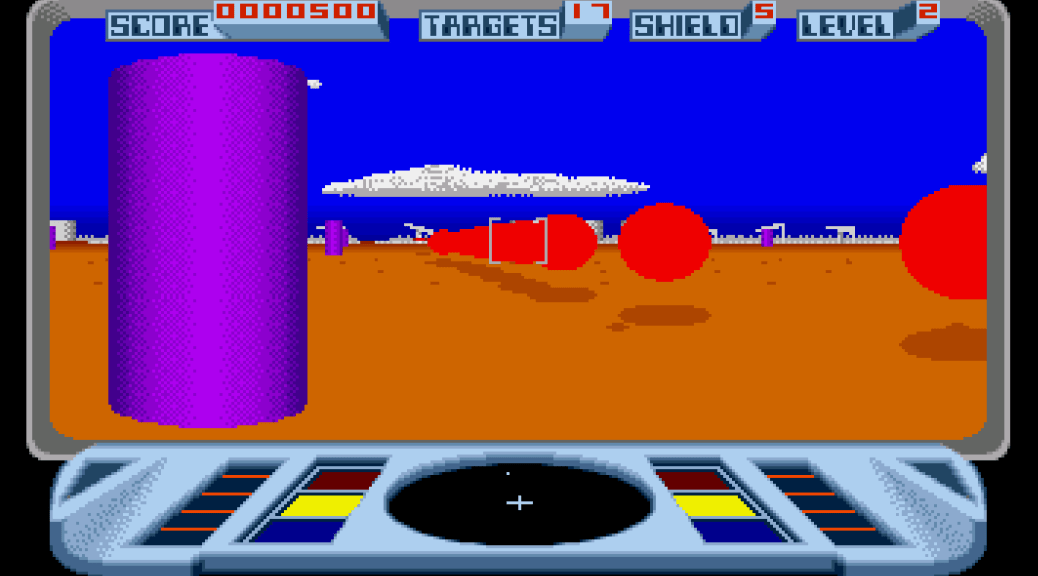
Encounter, Amiga
The Amiga version of Encounter was first released in 1991 (a full seven years after the original release) by Novagen Software.
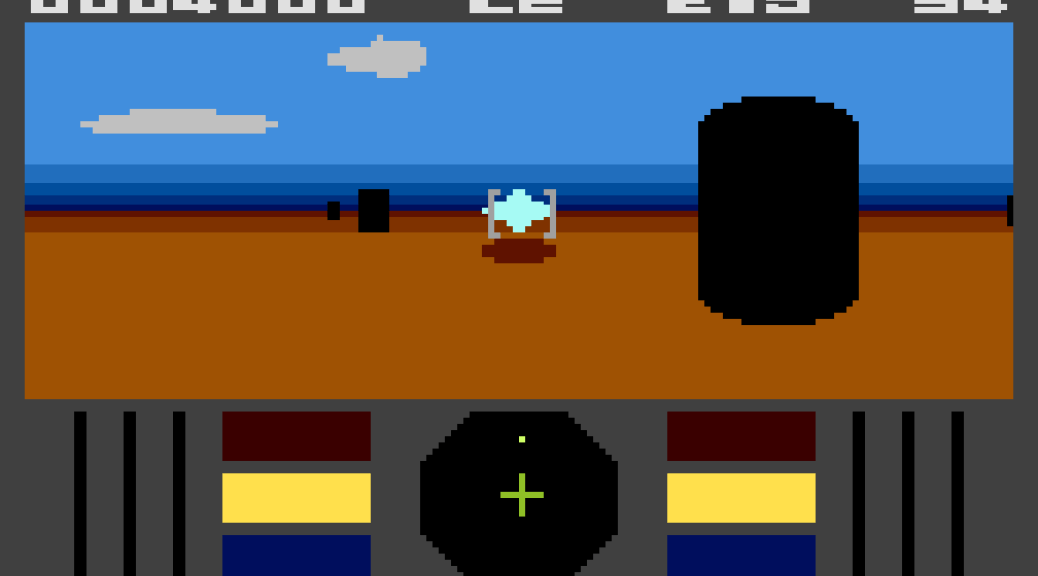
Encounter, Atari 8-bit
Paul Woakes‘ classic first-person ‘tank’ shooter Encounter was released simultaneously on the Atari 800 and C64 in 1983.
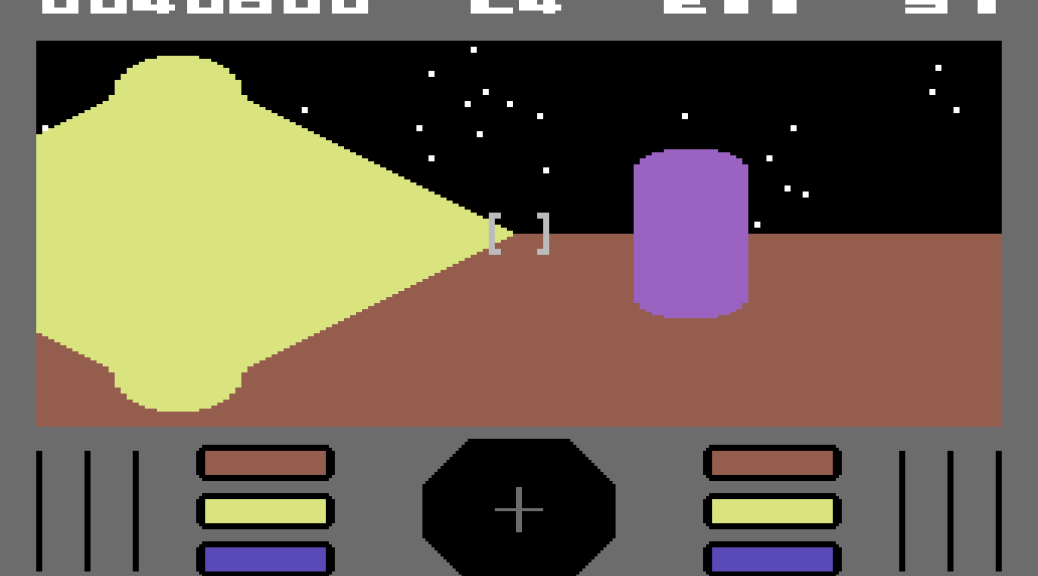
Encounter, Commodore 64
Paul Woakes‘ classic first-person shooter on the Commodore 64, Encounter, wowed gamers back in 1983 when it was first released.

3D Monster Maze, ZX81
3D Monster Maze was developed by Malcolm Evans for J.K. Greye Software in 1982.
This classic black and white maze game was one of the first ever video games to use a first-person viewpoint inside a 3D maze.

Driller, Commodore 64
The Commodore 64 version of Incentive‘s classic Driller is surprisingly good, considering that the machine isn’t particularly suited to this kind of game.

Exile, BBC Micro
The BBC Micro version was the very first version of Jeremy Smith and Peter Irvin‘s classic Exile, released through Superior Software in 1988.
 The King of Grabs