John M. Phillips‘ Commodore 64 classic translates well to the Atari ST.
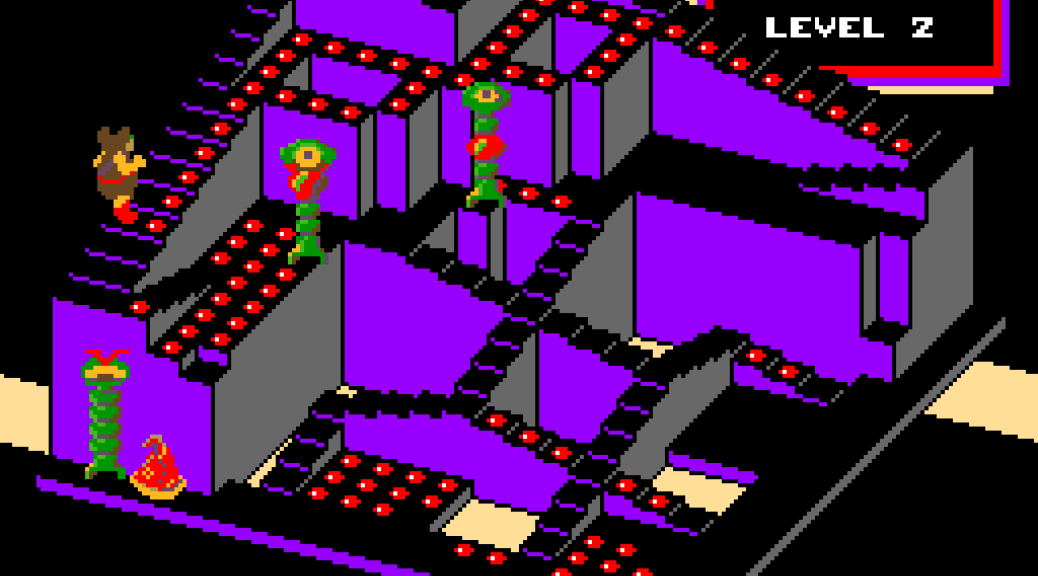
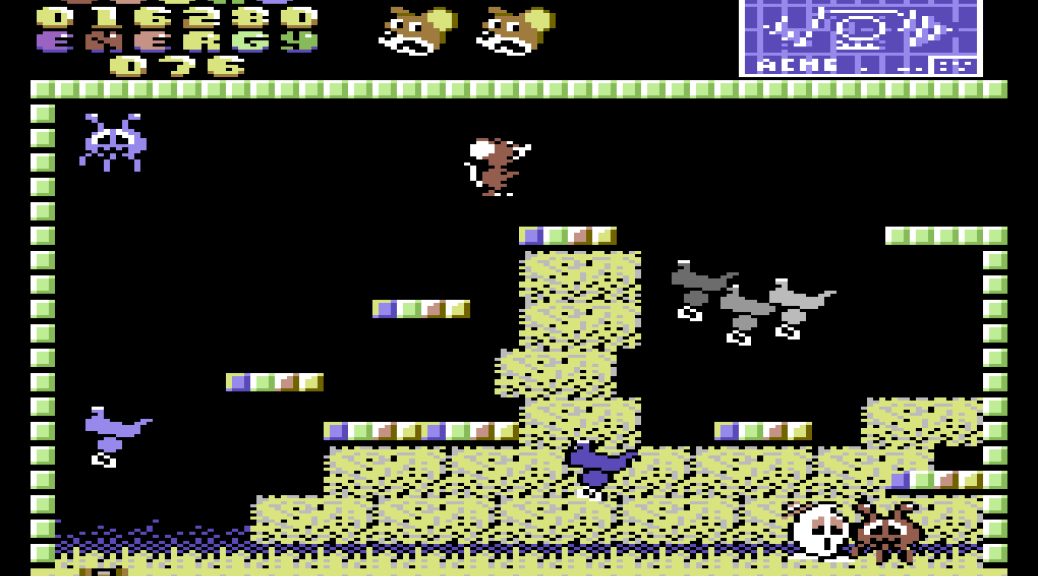
Nebulus is a rather tough platform game where the aim is to reach the top of an ever more challenging series of cylindrical towers.
John M. Phillips‘ Commodore 64 classic translates well to the Atari ST.
Nebulus is a rather tough platform game where the aim is to reach the top of an ever more challenging series of cylindrical towers.
Developed by TOSE and published by Capcom for the PlayStation Portable in 2006, Ultimate Ghosts ‘N Goblins is a remake of the classic arcade game Ghosts ‘N Goblins (and its even better sequel, Ghouls ‘N Ghosts), combining them together with new levels, new enemies, new weapons, new armour, new bosses, and new 3D graphics.
David Braben‘s 1987 shoot ’em up, Zarch, is probably the most well-known Archimedes game around. It was an early release for the Acorn computer and it really made the gaming world sit up and take notice.
Released into arcades by Sun Electronics (aka Sunsoft) in 1983, Arabian is a platform game in which you play a prince on a mission to rescue a princess from a castle in which she is being held prisoner.
The sequel to the classic Booty was published by Bubble Bus Software in 1986. It was again designed and programmed by John F. Cain.
Developed by Namco and released into arcades in 1984, Pac-Land is a departure for the Pac-Man series because this time it’s a platform game. And a pretty good one at that.
Manufactured by Bally Midway in 1983, Jr. Pac-Man is another sequel to the smash hit, dot-eating maze game, Pac-Man, created by Namco in 1980.
Unlike Ms. Pac-Man and Jr. Pac-Man, Super Pac-Man was developed by Namco themselves in 1982, so could be considered the first ‘official’ sequel to Pac-Man.
The fact is: it is arguably inferior to both the aforementioned Midway Pac-Man games, which is a little embarrassing. That said: it is still a decent game in its own right; maybe not quite as ‘pure’ or ‘hardcore’ as Ms. Pac-Man and Jr. Pac-Man, but good nonetheless.
Another American Bally Midway variation of Namco‘s Pac-Man, shipped out into arcades in 1982 to take advantage of the PM craze sweeping the globe.
The 1982 sequel to the smash hit Pac-Man originally started out as a third party modification kit for Pac-Man machines, developed by General Computer Corporation, and called ‘Crazy Otto‘.
After legal action from Atari, GCC was forced to present Crazy Otto to Midway, the North American distributor of Pac-Man, who bought the game and developed it into Ms. Pac-Man.
Further complicating the story, apparently Midway did this without Pac-Man‘s original owner Namco‘s consent, which caused some licensing issues later. The truth is by no means clear, but in the murky world of video game licensing it is sometimes the case that people sell and exploit rights to products they have no right to.