
Sorcerian is the fifth instalment in the Dragon Slayer series. It was originally released in 1987 – in Japan – for the PC-88, and the MS-DOS version was converted, localised into English and published by Sierra On-Line in 1990.
Tag Archives: armour
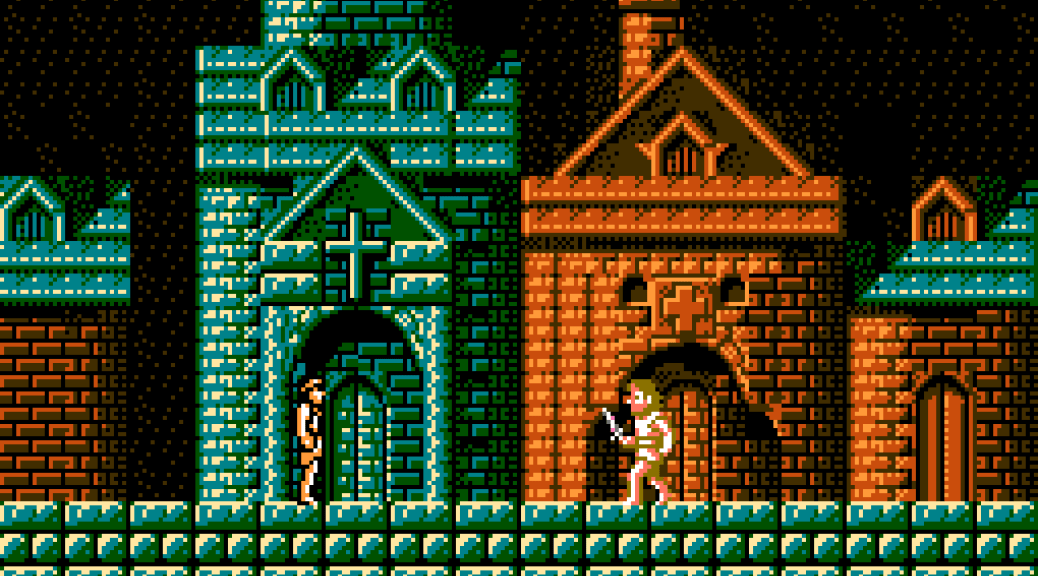
Faxanadu, NES/Famicom
Faxanadu is an action/platform game, developed by Hudson Soft and first published for the Nintendo Famicom in 1987. It is a spin-off from the Falcom Dragon Slayer series and its name is a combination of the words “Famicom” and “Xanadu“, so could even be considered a remake of the second Dragon Slayer game.

Xanadu: Dragon Slayer II, MSX
Xanadu: Dragon Slayer II (aka just “Xanadu“) is the 1987 sequel to 1984’s Dragon Slayer. It was developed and published by Falcom in Japan only, but the game is entirely in English so is playable by non-Japanese speakers/readers.
Xanadu is an action RPG that looks and plays similarly to Falcom‘s own Ys series, with side-scrolling town and dungeon sections and overhead, real-time combat taking place on a separate screen. Xanadu was a much bigger hit than its predecessor and was released in MSX and MSX2 versions.

Lagrange Point, NES/Famicom
Released in Japan only by Konami in 1991, Lagrange Point is a science fantasy JRPG set on a human colony ship in space (located at the Lagrangian points between Earth and the Sun). Communications are lost between colonies, so a search team is sent in to investigate.

Double Dungeons, PC Engine
Developed by NCS Corporation and published by Masaya Games in Japan and NEC in North America in 1990, Double Dungeons is a one or two-player, first-person, dungeon-crawling JRPG with real-time combat. The game’s unique selling point is that it features two-player split-screen cooperative play, which is unusual for a game like this, and which makes it simultaneously playable with a friend.

Treasure Hunter G, Super Nintendo
Developed by Sting Entertainment and published by Squaresoft in 1996, Treasure Hunter G is a tactical Japanese Role-Playing Game that features exploration, turn-based combat and a fantasy-based storyline that mixes magic and technology. It was released in Japan only, but a fan translation makes it playable in English.

Castlevania: Order of Ecclesia, Nintendo DS
Castlevania: Order of Ecclesia was the third Castlevania game released for the Nintendo DS and was released by Konami in 2008. In this one you play as a member of The Order of Ecclesia – a clan dedicated to defeating Dracula.
Continue reading Castlevania: Order of Ecclesia, Nintendo DS

Castlevania: Portrait of Ruin, Nintendo DS
Castlevania: Portrait of Ruin was the second Castlevania game released for the Nintendo DS and was released by Konami in 2006. Portrait of Ruin is set in 1944, before the end of the Second World War, and Dracula‘s castle has appeared in man’s darkest hour, to push humanity over the brink into ruin.

Castlevania: Dawn of Sorrow, Nintendo DS
Castlevania: Dawn of Sorrow was the first Castlevania game released for the Nintendo DS and was released by Konami in 2005. It is a direct sequel to Aria of Sorrow on the Game Boy Advance and continues the story of that game.
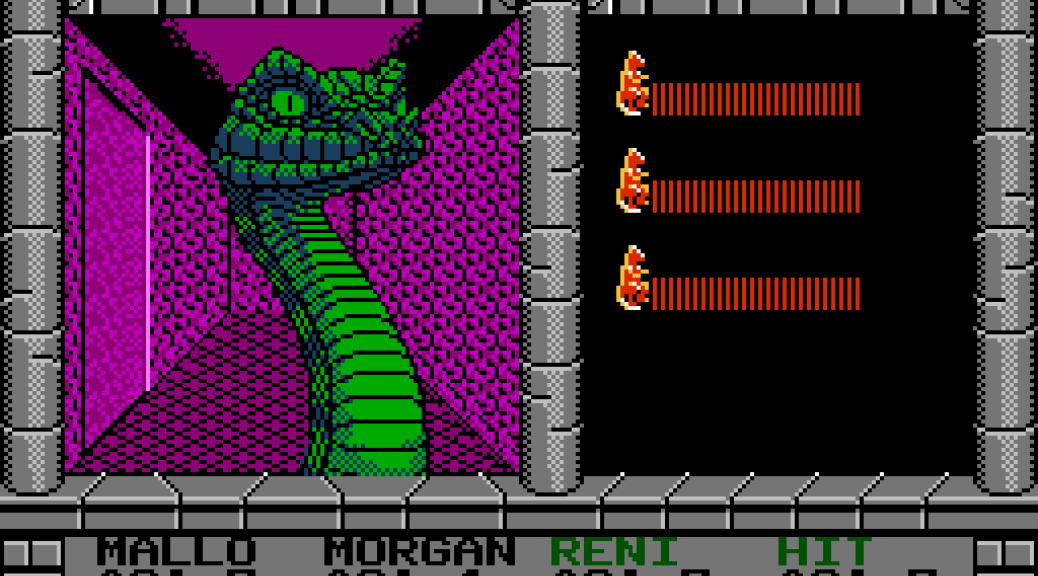
Swords and Serpents, NES/Famicom
Developed by Interplay Productions and published by Acclaim Entertainment in 1990, Swords and Serpents is a first-person, party-based RPG with tile-based movement for up to four players. You can either build a party of four characters yourself, in single-player mode, or up to four different players can control one party member each in multiplayer mode*.
*= An adapter, like the ‘NES Satellite‘, or another four-player expansion peripheral, is required if you’re going to play with that many players (but, let’s face it, very few will, although it’s nice – and fairly unique – to have the option to do that).
 The King of Grabs