Fred was one of two Spanish video games licensed by Quicksilva for release on the ZX Spectrum in the UK in 1983.
Both were made by Indescomp, and the other game was the legendary Bugaboo.
Flat, two-dimensional graphics, usually constructed of pixels. Not three-dimensional.
Fred was one of two Spanish video games licensed by Quicksilva for release on the ZX Spectrum in the UK in 1983.
Both were made by Indescomp, and the other game was the legendary Bugaboo.
Rock n’ Roll Racing is a brilliant isometric, combat-based racing game by Silicon & Synapse – now Blizzard Entertainment – and was first released for the Super Nintendo way back in 1993.
There were a number of decent Batman games on the ZX Spectrum, but this one from Jon Ritman and Bernie Drummond was particularly memorable. For having a pudgy Batman and an isometric viewpoint…
Batman was released by Ocean Software in 1986 and was Ritman and Drummond‘s first isometric game together.
Williams Electronics‘ savage and heart-pounding single-screen shoot ’em up, Robotron: 2084 (1982), used twin joysticks to give the player 360 degree firing action, while at the same time allowing full 360 degree movement.
Sega‘s classic Ecco the Dolphin was first released in 1992 for the Megadrive/Genesis.
First released by Ocean Software in 1986, Parallax is a wild overhead shooter from legendary UK gamedev company Sensible Software.
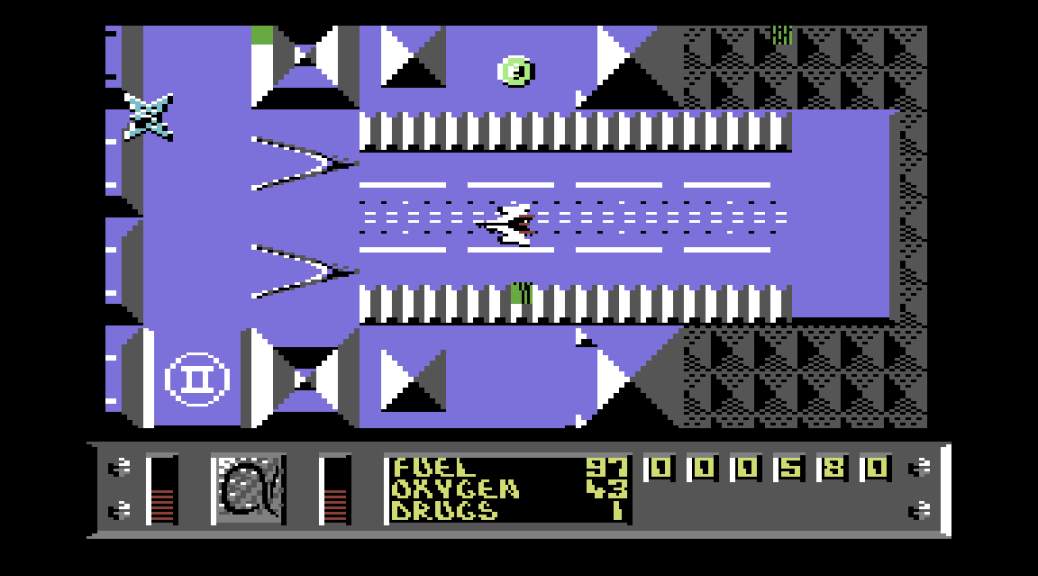
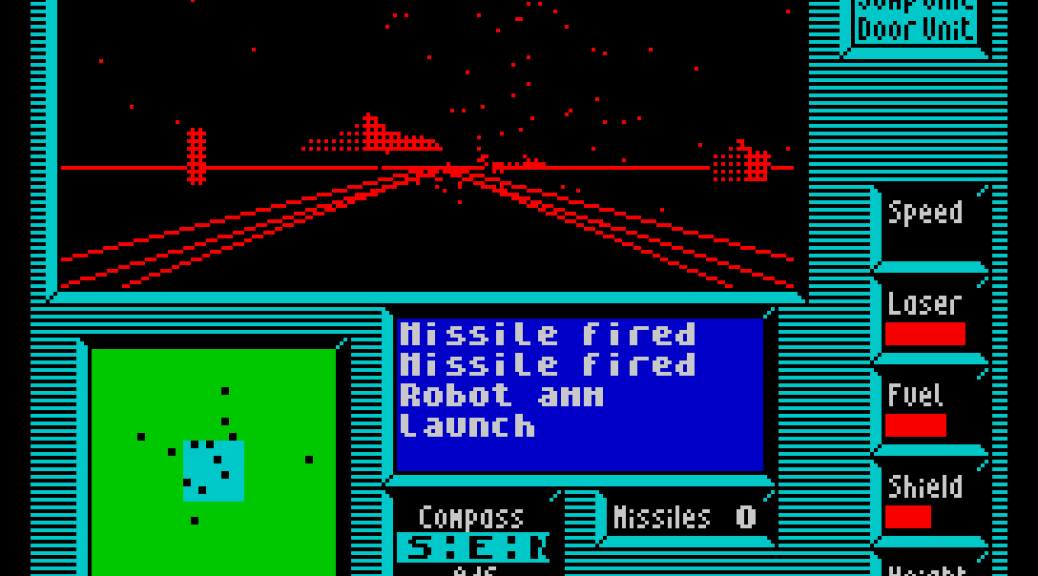
Sub-titled “Tau Ceti II“, Pete Cooke’s stunning Academy is a brilliant mission-based surface shooter that combines great presentation and atmosphere, with interesting use of light – quite radical for a humble ZX Spectrum.
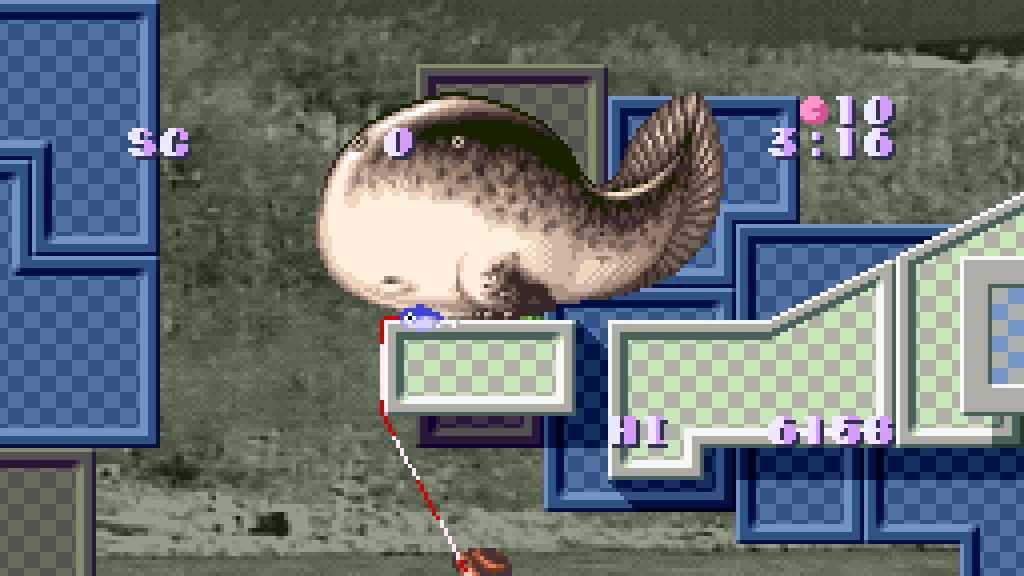
Umihara Kawase is a weird-but-great Japanese platform game first released for the Super Nintendo in 1994.
The game has an excellent rope-based mechanic that makes it different and interesting to play.
Sega‘s single-player arcade classic race game – Out Run. Played and enjoyed by millions of people throughout the world.
Out Run was first released in 1986 and took video game arcades by storm with its superfast, colourful graphics, jaunty music, gripping gameplay, and cabinet steering wheel.
When I first played Shining In The Darkness – a 1991 party-based Role-Playing Game for the Sega Megadrive/Genesis, developed by Climax Entertainment and published by Sega – I was ready to dismiss it, because of the unattractive, ‘cartoony’ graphics, the clunky interface, and the generic script. But after some determined play – admittedly: in an emulator, and using quicksaves – it became apparent that this was no ‘throwaway’ level-grinder. It was in fact something quite special…