
Castlevania: Bloodlines was released for the Sega Megadrive by Konami in 1993. It was the only Castlevania game ever released for the Megadrive.
Tag Archives: 16-bit
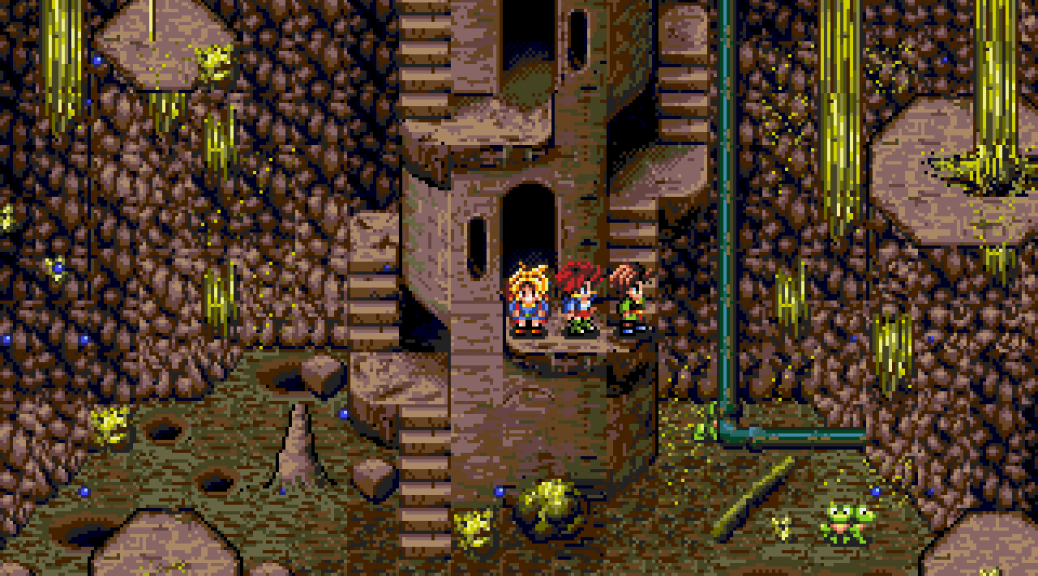
Pier Solar and the Great Architects, Megadrive/Genesis
Pier Solar and the Great Architects is a famous homebrew Role-Playing Game released in 2010. It was developed by a team called WaterMelon and was initially released on cartridge exclusively for the Sega Megadrive.
Since then, though, it has been ported to a number of different platforms, including HD remakes for Dreamcast, PlayStation 3 & 4, Wii U, PC, XBox One, and Android.
Continue reading Pier Solar and the Great Architects, Megadrive/Genesis

Alex Kidd in the Enchanted Castle, Megadrive/Genesis
Alex Kidd in the Enchanted Castle is a 1989 platform game released for the Sega Megadrive/Genesis. It was developed in-house by Sega as a competitor to the Nintendo Mario games, which were hugely popular at the time.
Continue reading Alex Kidd in the Enchanted Castle, Megadrive/Genesis
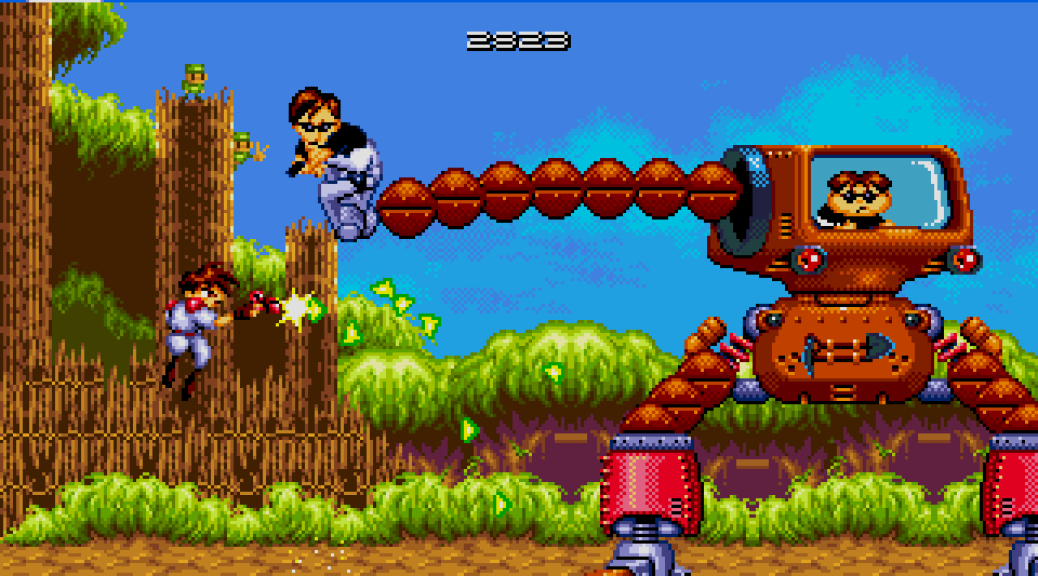
Gunstar Heroes, Megadrive/Genesis
Gunstar Heroes is a classic run-and-gun shooter, published initially on the Megadrive/Genesis by Sega in 1993. It was the debut game of the famous Japanese developer, Treasure.
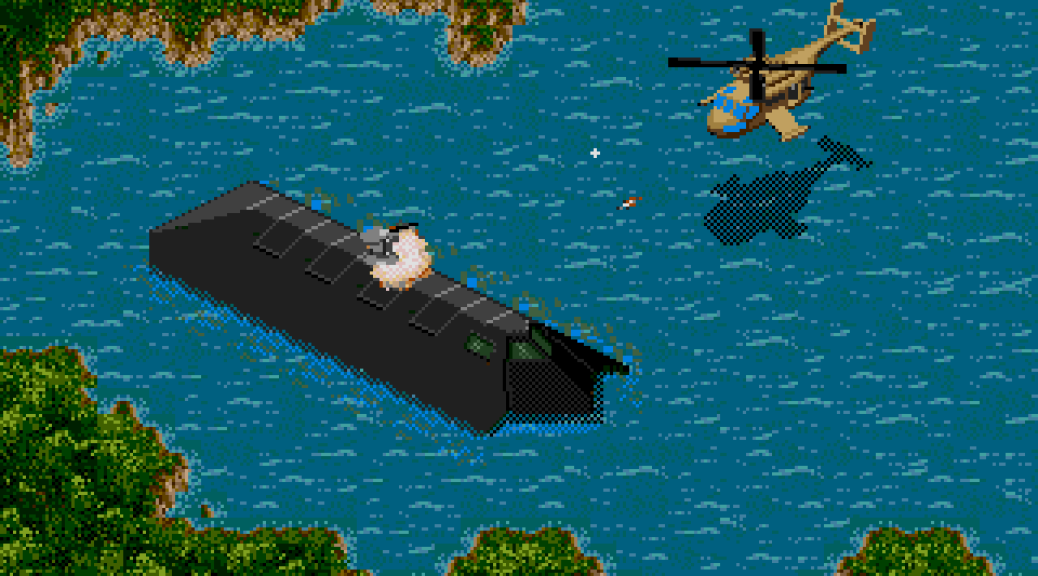
Urban Strike, Megadrive/Genesis
Urban Strike is the second sequel to Desert Strike, and the follow-up to Jungle Strike, and it improves on both those games in a number of different ways.
For starters: there are now indoor shooting sections, where you have to search for MIAs and POWs and free them. Secondly: this time you get to fly different helicopters, and thirdly: you also get to drive ground assault vehicles! Yippee! 🙂
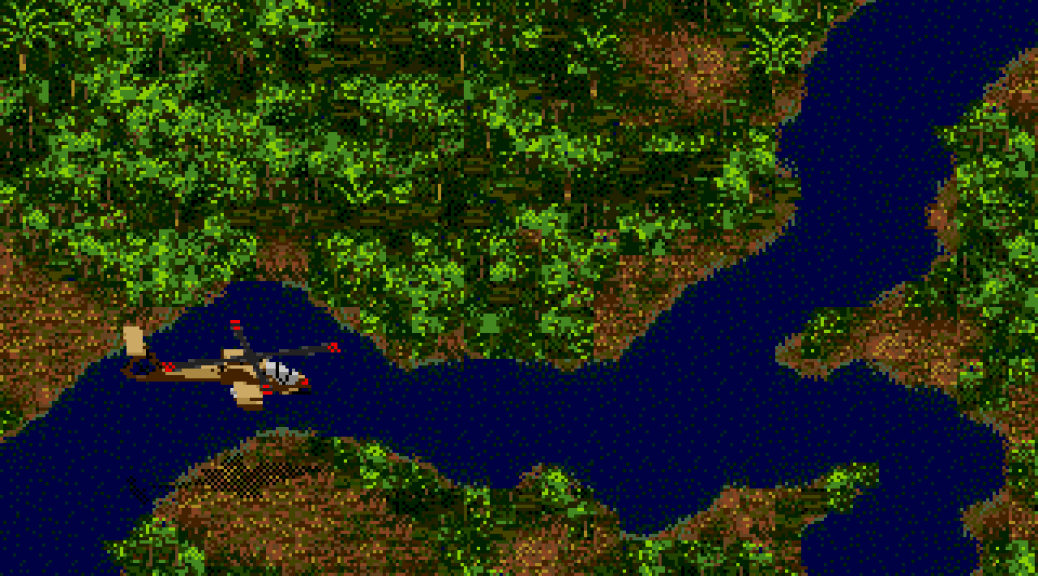
Jungle Strike, Megadrive/Genesis
Jungle Strike is the 1993 sequel to the smash hit Desert Strike. It walks the same satirical/propaganda tightrope as the previous game, and is just as much fun to play.

Desert Strike, Megadrive/Genesis
Desert Strike: Return to the Gulf is a classic helicopter action game, developed and published by Electronic Arts for the Sega Megadrive in 1992.
It is known for its easy-to-play but hard-to-master gameplay, and for its controversial ‘Gulf War’ storyline.
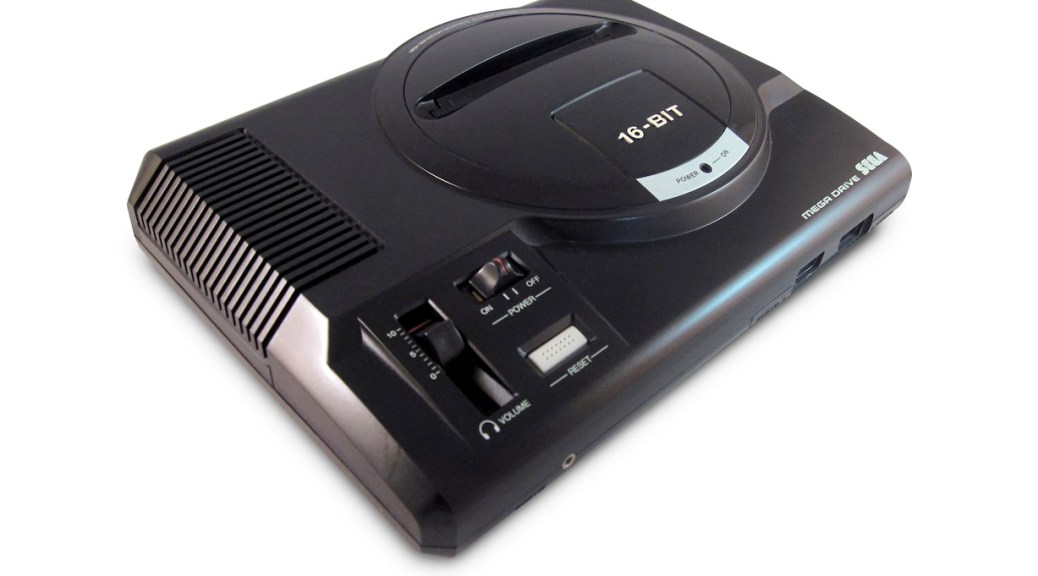
Sega Megadrive/Genesis Special
Known as the Megadrive in Japan and Europe, and the Genesis in North America, this was Sega‘s fourth generation home video games console and it was launched in 1988 in Japan (1989 in North America and 1990 in Europe).

Barbarian, Atari ST
Palace Software‘s notorious Barbarian is a ‘sword and sandal’ beat ’em up with a knockout gimmick: you can decapitate your opponent with a well-placed sword stroke!
Granted: you have to time it correctly, and get the distance between you and your opponent right, but when you pull it off the head bounces off in hilarious fashion, before being finally getting booted off the screen by a gremlin.

Masterblazer, Amiga
Masterblazer is a 1990 conversion of the classic LucasFilm Games game, Ballblazer, but with faster, smoother graphics than the 8-bit versions, and a couple of extra play modes.
That said: the 8-bit versions were all pretty much fast and smooth enough, so is this Amiga update good enough?

