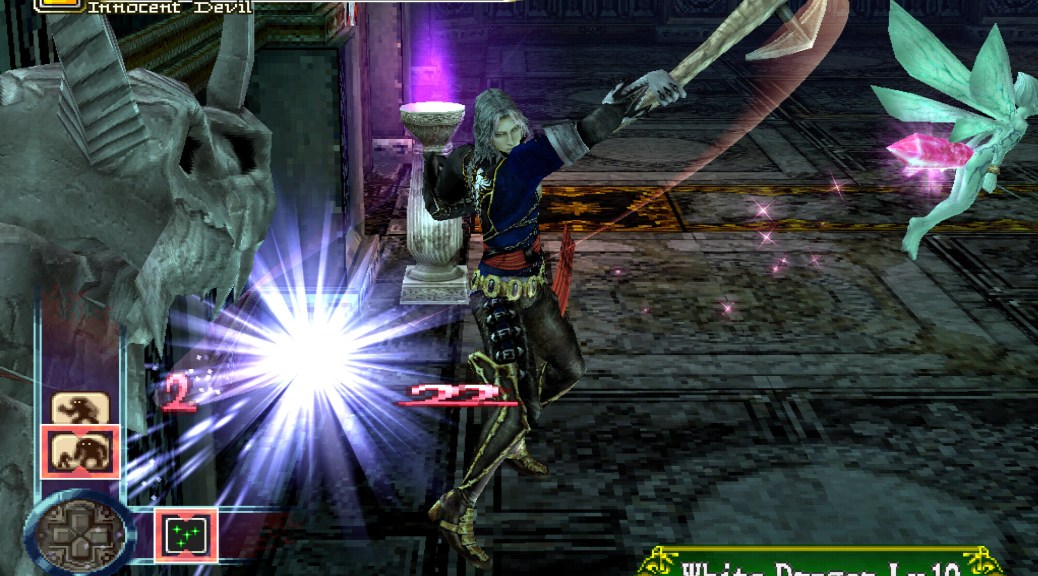
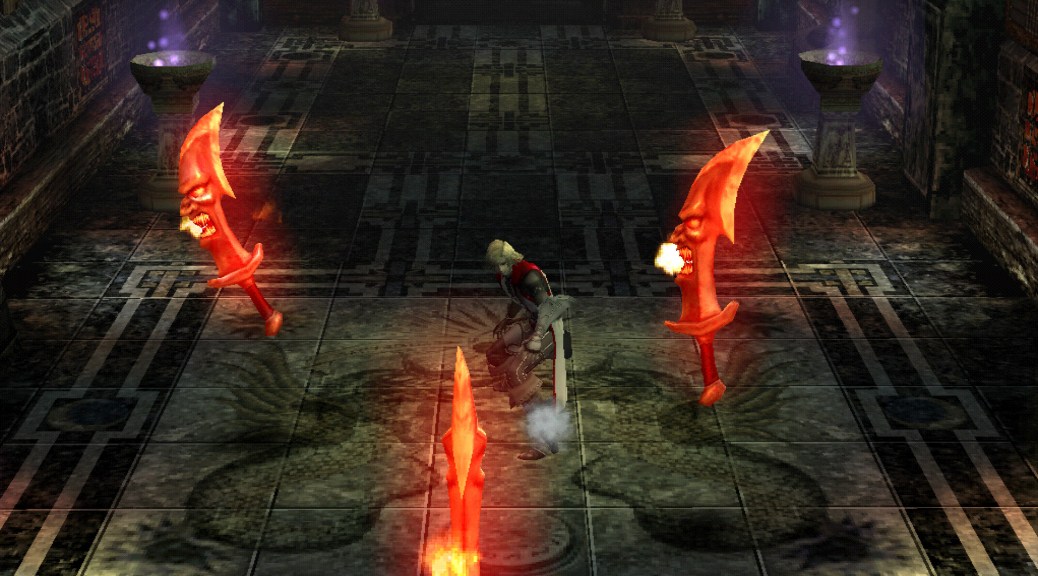
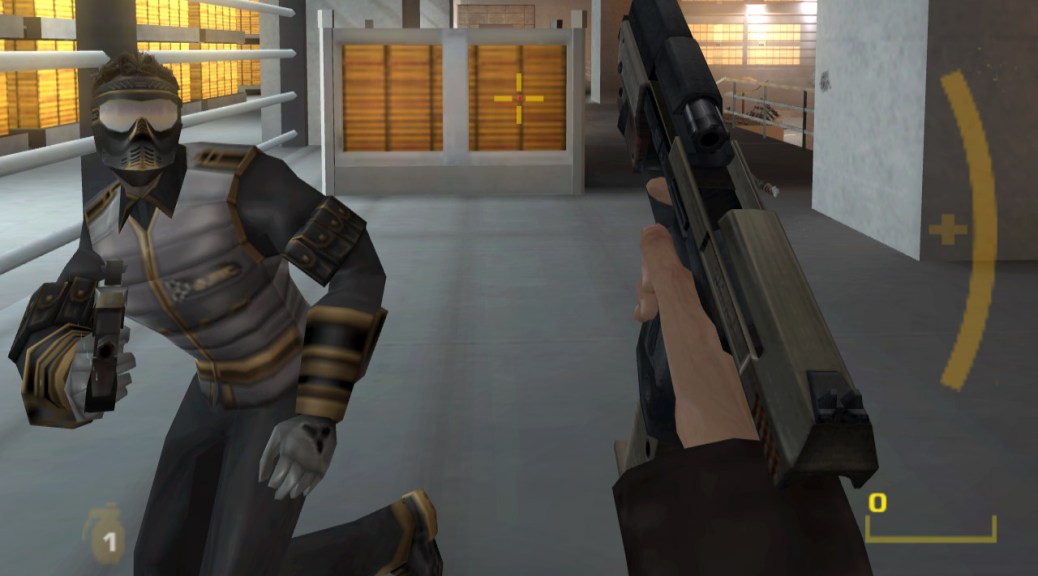
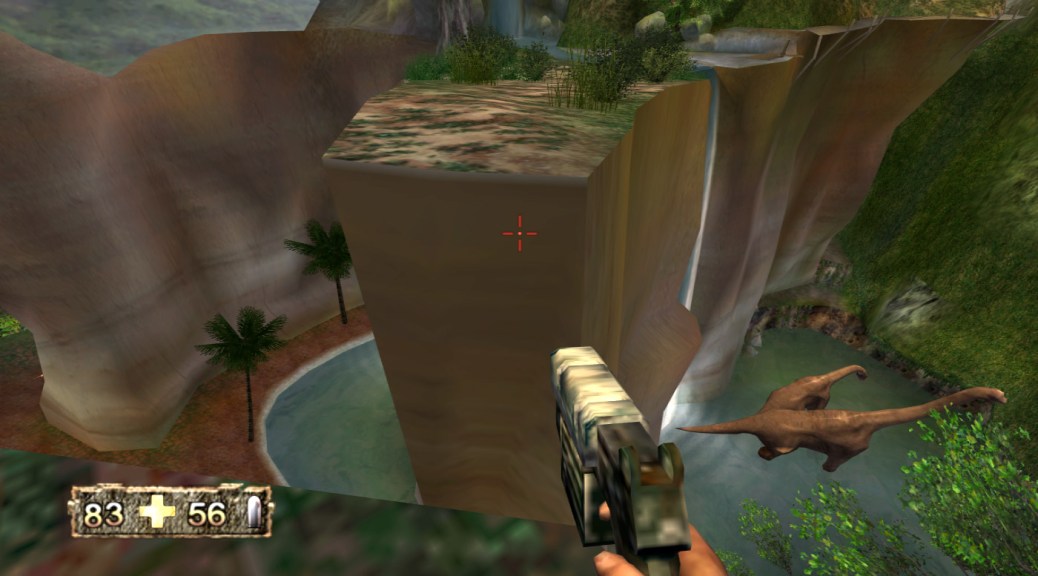
Final Fantasy Crystal Chronicles is an action/RPG collaboration between Square Enix and The Game Designers Studio, Inc.
It was first released for the Nintendo GameCube in Japan in 2003, and in 2004 for the rest of the world.
Final Fantasy Crystal Chronicles is an action/RPG collaboration between Square Enix and The Game Designers Studio, Inc.
It was first released for the Nintendo GameCube in Japan in 2003, and in 2004 for the rest of the world.
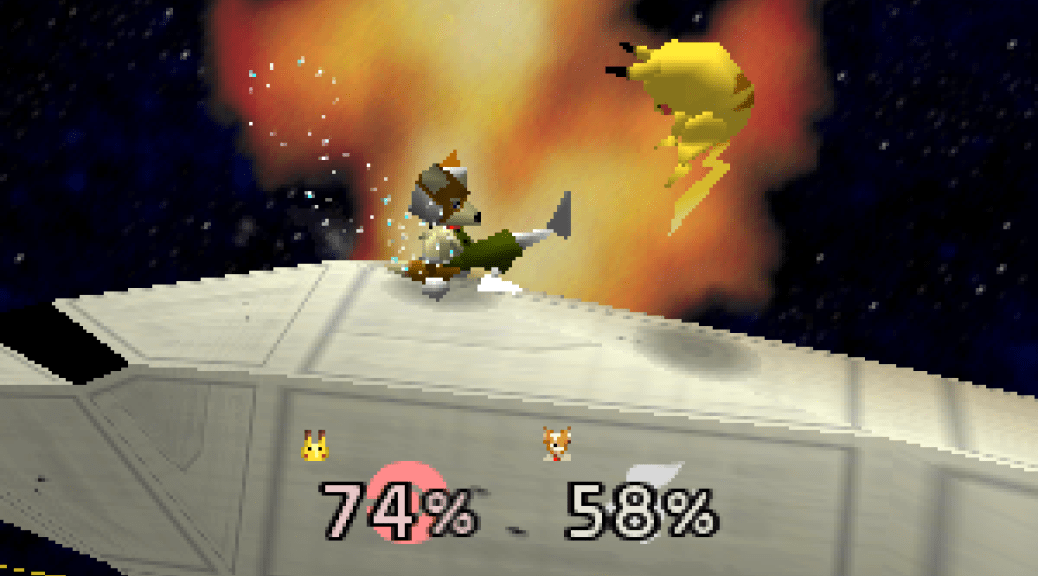
Developed by HAL Laboratory and released exclusively for the Nintendo 64 in 1999, Super Smash Bros. is a ground-breaking cross-over fighting game featuring many of Nintendo‘s most famous characters, duelling it out to the death!
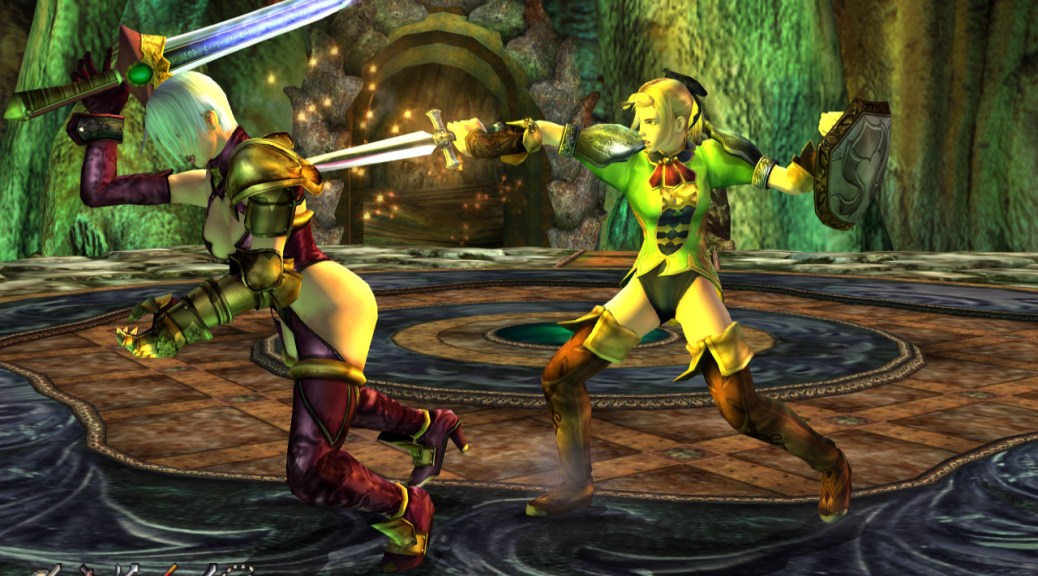
The Dreamcast version of Soulcalibur is an enhanced port of the 1998 arcade game by Namco. It was released worldwide in 1999 and features “ten new characters” and enhanced new graphics.
After the arcade game, Soul Edge in 1996, and the PlayStation conversion of that game in 1998 (called “Soul Blade” in the West), came Soulcalibur in 1999. It was made available in arcades first, as a two-player cabinet, and did reasonably good business.
The basic storyline is about a group of fighters battling it out for possession of a mystical sword called “The Soul Edge“.
Released in December 1996 in Japan, and in 1997 in North America and Europe, Soul Blade is the PlayStation port of Namco‘s Soul Edge arcade fighting game – the predecessor to the Soulcalibur series.
Soul Edge was a pioneering early attempt at using Motion Capture in a fighting game – for the realistic animation of the combatants – and it had quite an impact on fighting game fans when it was first released.
Developed by “Project Soul” and released into arcades by Namco in April 1996, Soul Edge is a weapons-based, one-on-one fighting game that serves as the predecessor to the Soulcalibur series.
The ZX Spectrum port of Konami‘s classic arcade shooter, Salamander, was programmed by Andrew Glaister, with graphics by Stuart Ruecroft, and was first published by Imagine Software in 1988. While aspects of the game are very good, it is unfortunately a good example of an unfinished and cut-down game being rushed to market…
Released exclusively for the Sega Master System in 1990, The Cyber Shinobi is a sequel to the first Shinobi, but it’s not really a sequel many will remember. Mostly because it isn’t very good…
The ZX Spectrum version of Sega‘s classic Shinobi was developed by Binary Design for The Sales Curve and published by Virgin Games in 1989. It is a relatively loose approximation of the arcade game, but is nonetheless playable and enjoyable.
The 1989 NES version of Sega‘s Shinobi was converted and published by Tengen, in North America only. Why the game wasn’t released in Japan, I don’t know. Maybe because Sega didn’t think it was good enough?