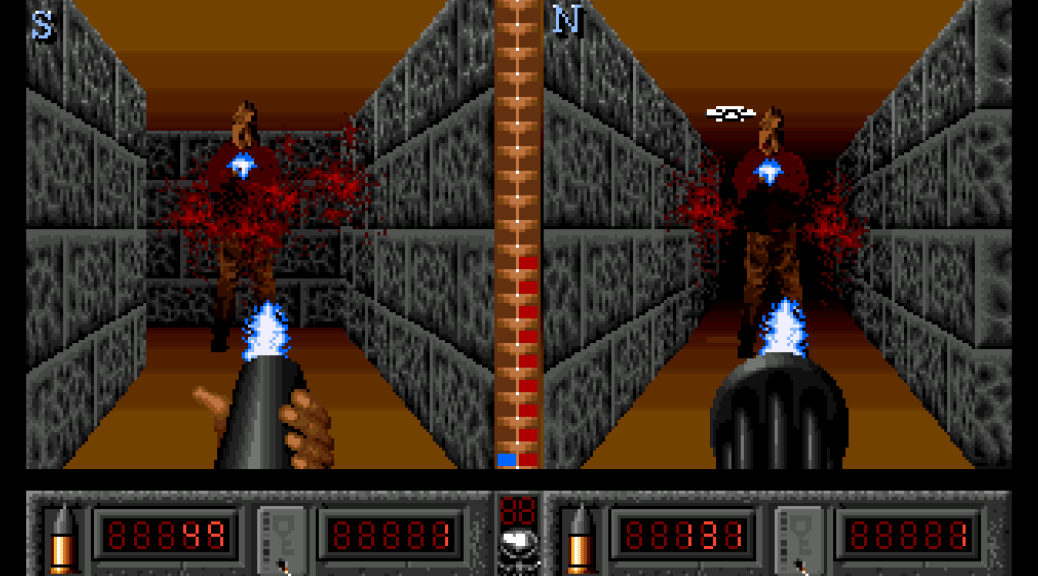
Death Mask was developed by Apache Software and published by Alternative Software in 1994. It was released on the Amiga and CD32 and is something of a Doom clone; although one that is split-screen multiplayer.
Tag Archives: shooting
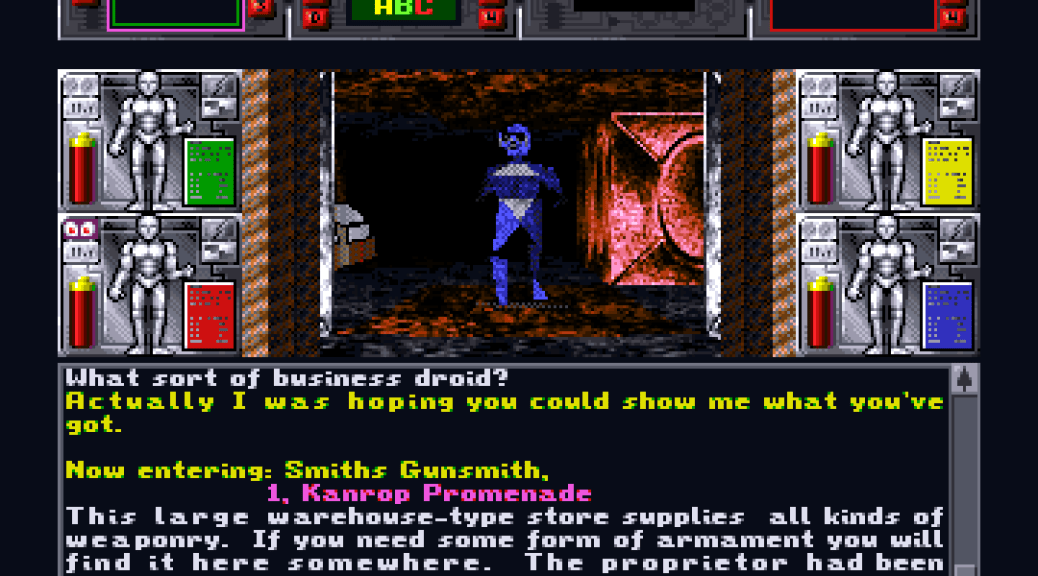
Liberation: Captive 2, Amiga CD32
Tony Crowther‘s 1993 sequel to the classic Captive, Liberation: Captive 2 is a first-person action/RPG where you control a team of robots trying to rescue prisoners by looking for clues to their whereabouts, and by following leads to their location.
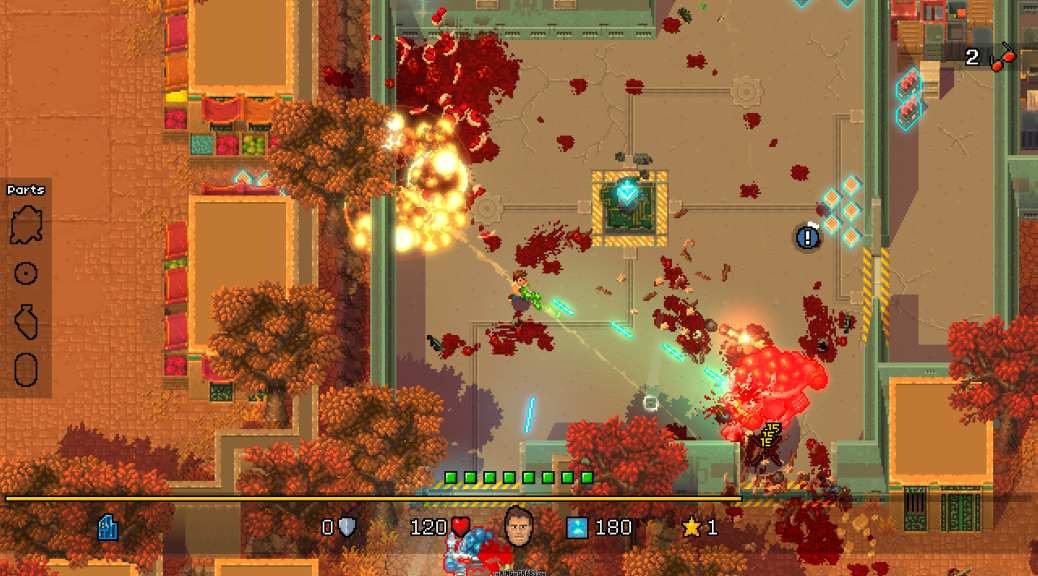
Serious Sam’s Bogus Detour, PC
Serious Sam’s Bogus Detour is exactly what the title of this game implies… a curveball in the Serious Sam series.
Developed by Swedish team Crackshell – in association with original Serious Sam developer, Croteam – and published in 2017 by Devolver Digital, this is an overhead shooter with pixel-based, retro-style graphics. And it is bloody brilliant! Better even than the Serious Sam games it is based upon.

A Fistful of Bucks, Commodore 64
Created by Ian Gray and Lee Braine and published by Ocean Software in 1985, A Fistful of Bucks (aka A Fi$tful of Buck$) is a simple, scrolling cowboy shooter with you playing a bounty hunter on the hunt for cash.
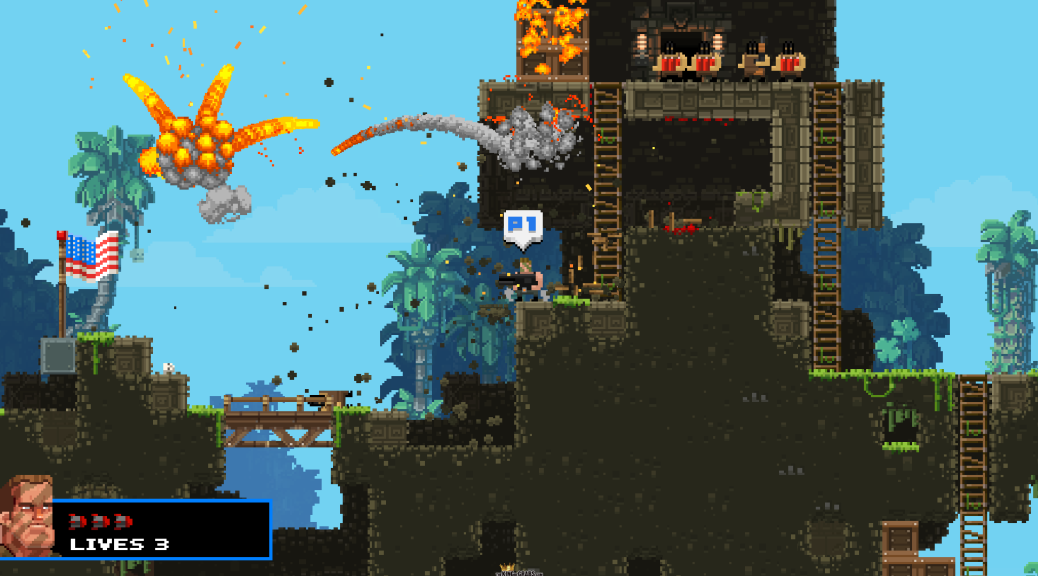
Broforce, PC
Broforce is a satirical, side-scrolling run and gun shooter, with superb pixel graphics, and I can’t recommend it highly enough!
It’s a ‘modern retro’ game, in that: it’s a modern game (it came out in 2015), trying to look retro, and it works fantastically well. Broforce is so much fun to play…

Perfect Dark, Nintendo 64
The spiritual successor to Goldeneye, Perfect Dark is a brilliant, 3D, first-person shooter developed by Rare and published by Nintendo in 2000.
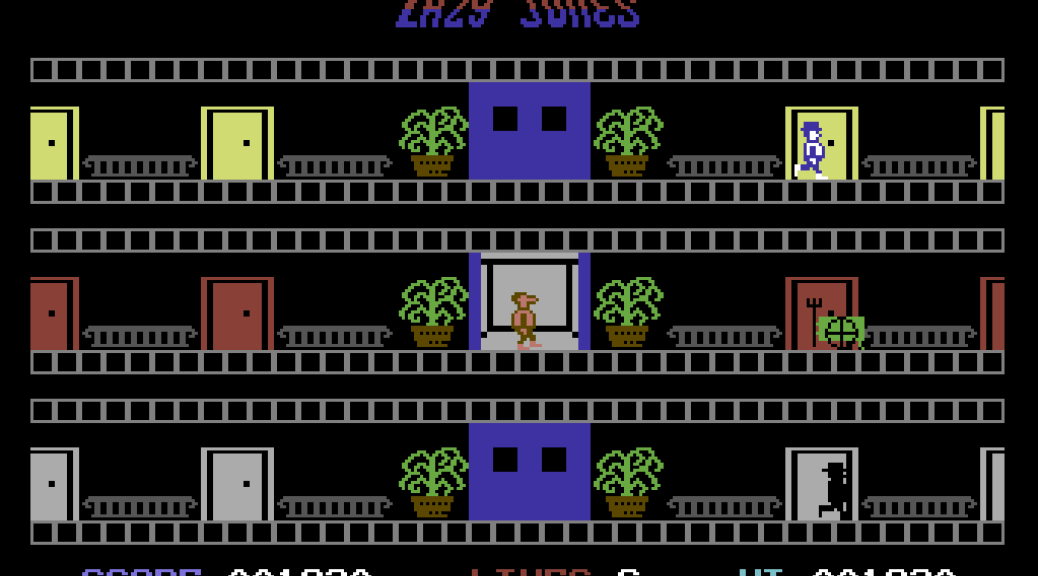
Lazy Jones, Commodore 64
Lazy Jones is a cult classic Commodore 64 game that tries to cram as many derivative minigames into 64K as is possible – stuff like Space Invaders, Frogger, and platform game clones (one minigame is called Eggie Chuck – a direct reference to the classic Chuckie Egg).

N2O: Nitrous Oxide, PlayStation
This 1998 Gremlin/Fox Interactive release for the Sony PlayStation is a fast, tunnel-based shoot ’em up with trippy visuals and a pumping Crystal Method soundtrack. It was designed and programmed by the prolific Tony Crowther.

Phobia, Commodore 64
I hate this game so much! 🙂 Phobia is one of the most difficult and unfair side-scrolling shooters ever made, and the surprising thing is: it’s a Tony Crowther game. I expected more from such a talented coder…
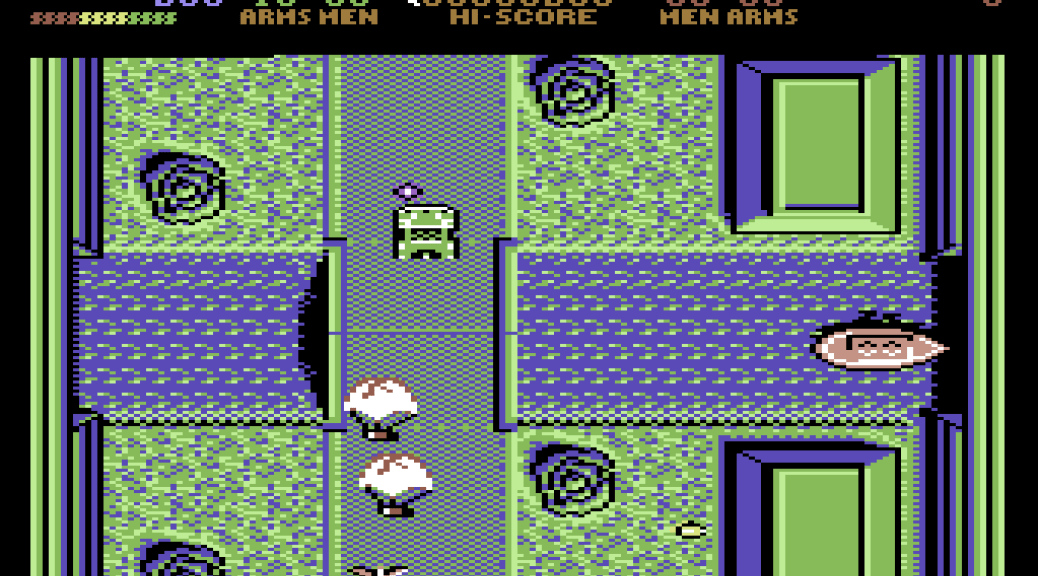
Fernandez Must Die, Commodore 64
Tony Crowther‘s 1988 tribute to Commando and Ikari Warriors, Fernandez Must Die is a scrolling shooter with military overtones.

