
I would argue that the original 1992 Super Mario Kart on the SNES is still the greatest Mario Kart game of all time.
Tag Archives: Retro Gaming History
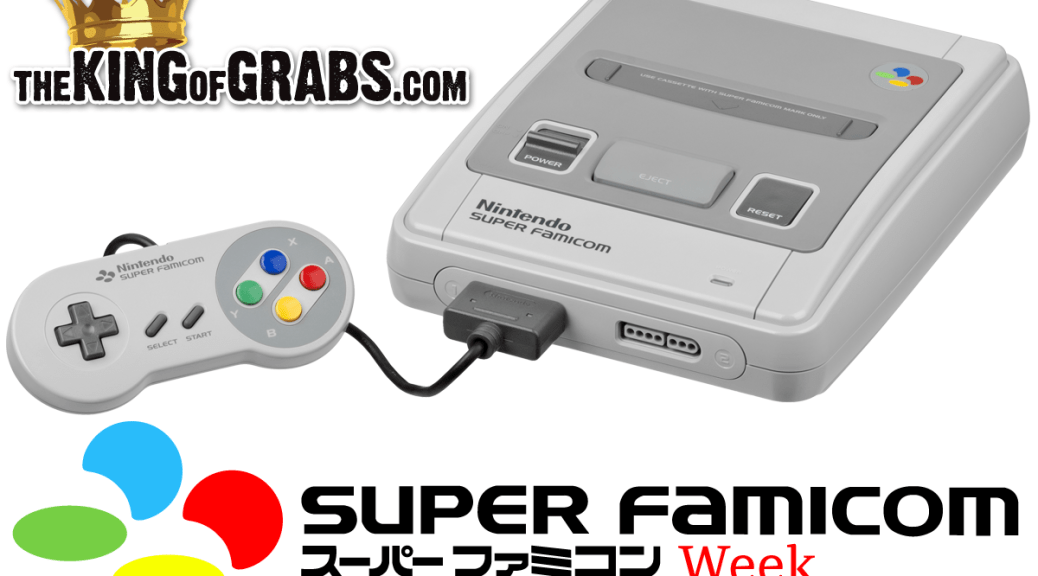
Super Nintendo Week
The Super Nintendo Entertainment System (SNES for short) was first released in Japan as the Super Famicom in 1990.
After the success of the NES, any follow-up console from Nintendo would really have to be “super” to keep the ball rolling, and the SNES certainly was just that.
Countless great video games were released for the Super Nintendo and the system stands out in retro gaming history as something unique and powerful – compared to what had gone before it.
We’re spoiled now. Modern consoles can render a hundred thousand polygons in an instant. But back in 1990 you were lucky if you got hardware sprites and smooth-scrolling backgrounds. Thankfully the Super Nintendo had all of that. And it had “Mode 7” too – a now legendary graphics technique that allowed flat textures to move around in 3D space. Later on it had a special chip, called the Super FX Chip, that gave it more power and better 3D graphics capabilities.
The Super Nintendo played host to thousands of games overall, and a percentage have gone down in video gaming history as some of the best ever. The allure of the Super Nintendo is still strong. Be that in real hardware, which is still quite easy to get hold of, or via the magic of emulation.
This week I’m going to be celebrating the brilliance of the Super Nintendo Entertainment System by adding a collection of grabs from great SNES games. Well, ones that we haven’t featured already, anyway. 🙂
Here’s a list of links to what was published that week:
Addams Family Values,
Super Mario Kart,
International Superstar Soccer Deluxe,
Sim Ant,
F-Zero,
Dungeon Master,
E.V.O.: Search For Eden,
The Lost Vikings,
Teenage Mutant Ninja Turtles IV: Turtles In Time,
Super Bomberman,
Lufia II: Rise of the Sinistrals,
Krusty’s Super Fun House,
Pocky & Rocky,
Smash TV
Click here to list all the Super Nintendo games we’ve featured so far.
Enjoy!
The King of Grabs

Stop The Express, ZX Spectrum
Stop The Express is an early ZX Spectrum game – created by Japanese developer Hudson Soft and first released in 1983 – and is a simple action game where the aim is to traverse the train carriages, from right to left, in order to reach the engine and to stop the out-of-control train.

ZX Spectrum Week
The humble ZX Spectrum was first released onto an unsuspecting public in 1982 and was an instant hit with gamers.
It initially came in two varieties – 16K and 48K RAM versions – and had a curious rubber keyboard and a built-in sound speaker.
In spite of that it managed to dominate the UK (and arguably European) gaming scene throughout the 1980s and also inspire a generation of computer users and game designers (some of whom still make games for it to this day).
Later versions of the ZX Spectrum had better keyboards and more memory, but the games were still unique and distinguishable.
This week I’ll be dedicating this blog to classic ZX Spectrum games and will be featuring some of my favourites in this ever-expanding gallery of grabs. Hope you enjoy!
Here are links to what was published:
Roller Coaster,
Skool Daze,
Wheelie,
Stop The Express,
Zynaps,
Trashman,
Auf Wiedersehen Monty,
Wizard’s Lair,
Dark Side,
Starstrike 3D,
Starstrike II,
Nosteratu the Vampyre,
Sir Fred,
Lords of Midnight,
Doomdark’s Revenge,
Starquake
More: ZX Spectrum on Wikipedia
See also: 100 Best ZX Spectrum Loading Screens:
Part #1, Part #2, Part #3, Part #4, Part #5

48K ZX Spectrum

ZX Spectrum Internals
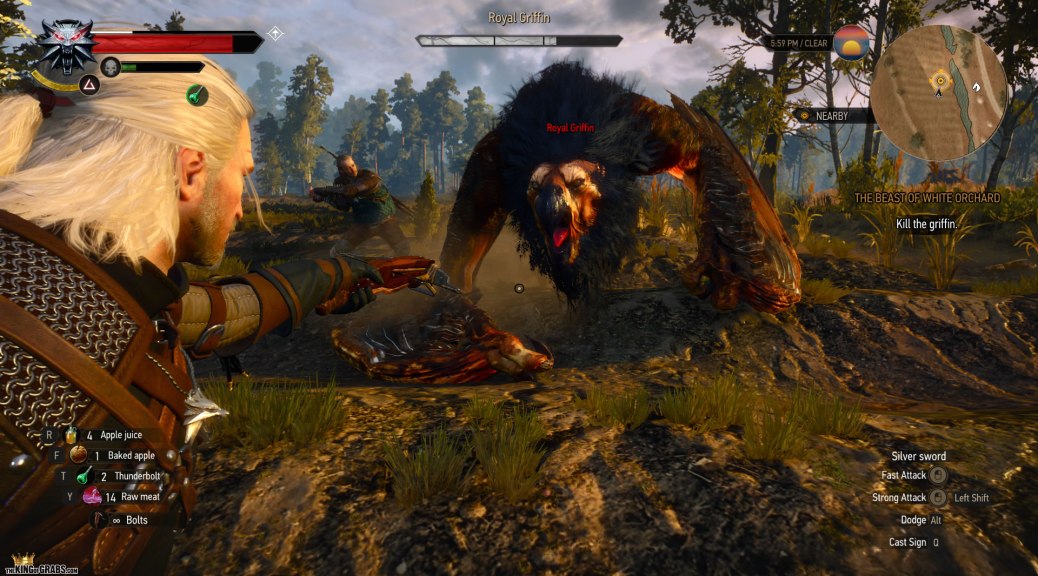
The Witcher 3: Wild Hunt, PC
First released in 2015, CD Projekt Red‘s The Witcher 3: Wild Hunt is a third-person, open world Role-Playing Game that is based on a series of novels by the Polish author Andrzej Sapkowski.
Obviously it is the third instalment in the series (and last, according to the developers), and in it you play a monster-hunting detective badass called Geralt – a Witcher; a carrier of two swords (one steel, for killing humans, and one silver, for killing monsters); and a superhuman solver of problems with acute senses and no emotions.
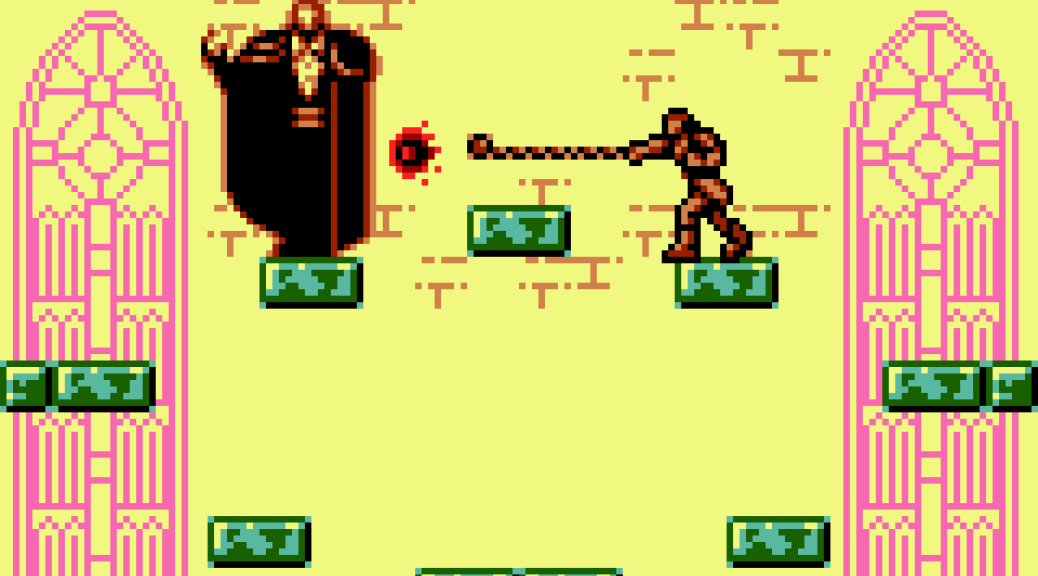
Castlevania II: Belmont’s Revenge, Game Boy Color
This colour remake of Castlevania II: Belmont’s Revenge was released as part of the Konami GB Collection Vol. 4 compilation in 2000.
Continue reading Castlevania II: Belmont’s Revenge, Game Boy Color

Tetris, Game Boy
It would be remiss of me to celebrate the Nintendo Game Boy and not mention Tetris.
Tetris was the ‘pack-in’ game with the original black and white Game Boy, and probably helped sell a few million units in itself.

Castlevania II: Belmont’s Revenge, Game Boy
Castlevania II: Belmont’s Revenge was first released in 1991 and is the sequel to Castlevania: The Adventure on the Nintendo Game Boy.
Castlevania II makes much better use of the Game Boy‘s hardware than its predecessor, and is considered to be one of the best titles on Nintendo‘s monochrome handheld.
Continue reading Castlevania II: Belmont’s Revenge, Game Boy

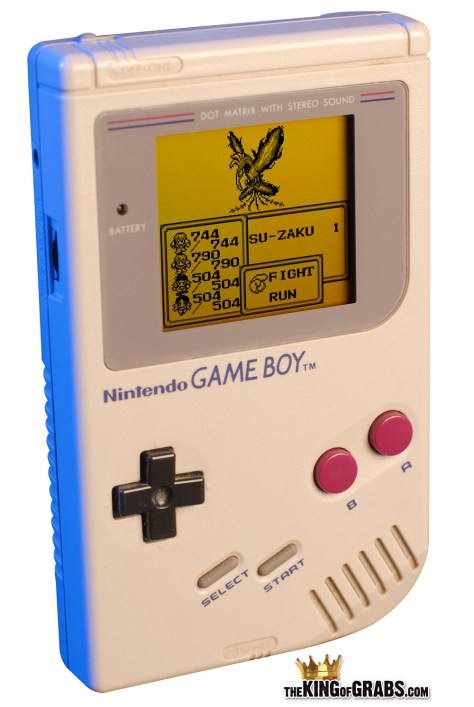
Nintendo Game Boy Week
I realised recently that I had completely neglected the Nintendo Game Boy on this blog, in spite of having owned one back in the day, and being a big fan.
Possibly because the black and white handheld’s graphics aren’t the best when it comes to dazzling grabs. The games are great though!
So – to rectify that – I’m going to dedicate a full week to the amazing Nintendo Game Boy and its games. Some of which are iconic.
A few famous franchises began on the Game Boy (the Mana series, for example), and – in spite of the Game Boy‘s limited graphical power – there’s a good reason why this early portable console sold more than 100 million units worldwide.
Here are links to what was published:
Monster Max,
Super Mario Land 2: 6 Golden Coins,
The Legend of Zelda: Link’s Awakening,
Golf,
Final Fantasy Adventure,
Wario Land: Super Mario Land 3,
Trip World,
Castelian,
Pinball: Revenge of the Gator,
Castlevania II: Belmont’s Revenge,
Final Fantasy Legend,
Final Fantasy Legend II,
Tetris,
Cave Noire
Enjoy!
The King of Grabs.
More: Game Boy on Wikipedia

Metroid Prime, GameCube
The fifth game in Nintendo‘s famous “Metroid” series, and the first to use 3D graphics, Metroid Prime follows the well-worn gameplay path of the earlier Metroid games (that is: have all your equipment; lose all your equipment; have to find all your equipment again) and again sees you playing as Samus Aran, a female ex-soldier with a powered exoskeleton.
 The King of Grabs