
The Atari ST version of Ghosts ‘N Goblins was programmed by Michael Delves, with graphics by Zippo Games, and was published by Elite Systems in 1990. It is a somewhat ‘funky’ port, with cartoony graphics and gameplay that is easier than the arcade parent.
Tag Archives: ladders

Ghosts ‘N Goblins, Game Boy Color
The Game Boy Color version of Ghosts ‘N Goblins was developed by Digital Eclipse Software and is very similar to – if not a direct port of – the NES/Famicom version. It was first released in 1999 by Capcom, and it looks like it might only have been released in North America.

Ghosts ‘N Goblins, ZX Spectrum
The ZX Spectrum version of Capcom‘s arcade classic, Ghosts ‘N Goblins, was first released by Elite Systems in 1986.
There is some confusion about who programmed the game. The title screen says that it was coded by Keith Burkhill, yet some sources say that Nigel Alderton programmed it. It could be that both worked on the game, but it’s not entirely clear…
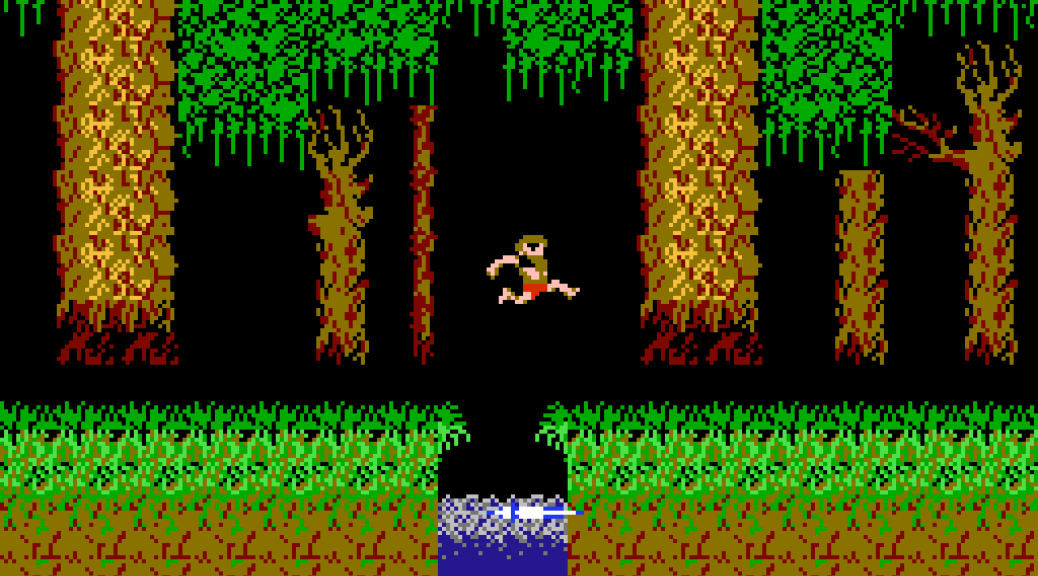
Ghosts ‘N Goblins, NES/Famicom
The NES/Famicom port of Capcom‘s classic arcade game, Ghosts ‘N Goblins, was developed by Micronics and first published in 1986. And – just like its parent – it is a very difficult game to make progress in.

Aliens: Neoplasma, ZX Spectrum
Aliens: Neoplasma is a homebrew ZX Spectrum game that was released by a Russian dev team called “SaNchez” in 2019. The game is for Spectrum 128K models only and is a run-and-gun shooter with platforming elements. It’s available in English, Russian and Spanish (each language is a separate download).

Impossamole, ZX Spectrum
Impossamole on the ZX Spectrum is a multi-load expanded re-imagining of Gremlin Graphics‘ classic first Monty Mole game: Wanted: Monty Mole. It was developed by Core Design and first published by Gremlin in 1990, which was very late in the Spectrum‘s lifespan.

Three Wonders, Arcade
Three Wonders is an unusual arcade game from Capcom that was first released in 1991. What’s unusual about it is that the game is based around three separate games – each of which you can choose to play in any order, cooperatively with a friend, and that are supposedly linked by the game’s storyline and characters.

Switchblade II, Atari Lynx
Switchblade II is a platform action game that originated on the Amiga; was developed by Gremlin Graphics, and published for the Atari Lynx by Atari Corporation in 1992. It is similar in some respects to Capcom‘s Strider, although the main character – Hiro – isn’t quite as dynamic as Strider Hiryu. The first Switchblade wasn’t released for the Lynx – just the sequel was.

Switchblade II, Amiga
The sequel to Switchblade, Switchblade II originally came out on the Amiga and was developed and published by Gremlin Graphics in 1991. The designer/programmer of the original Switchblade, Simon Phipps of Core Design, had no involvement in the creation of this follow-up.

Switchblade, Atari ST
Created by Simon Phipps (co-founder of Core Design), and published by Gremlin Graphics in 1989, Switchblade is a platform action game that could be described as a ‘spiritual successor’ to the Rick Dangerous games (also created by Simon Phipps). Switchblade features similar gameplay and graphics to Rick Dangerous, although it is more refined, less cartoony, and is far less frustrating to play. Switchblade came out on the Atari ST first and ports for the Amiga, C64, Amstrad CPC and ZX Spectrum followed.
 The King of Grabs