
The FM Towns version of Marble Madness is pretty damn special. Not only does it have a unique symphonic rendition of the game’s famous soundtrack, but it also has a Time Trial mode, and you can also choose the colour of your marble! It was only ever released in Japan, and – like the excellent X68000 version – it was ported by Tengen and published by Home Data Corporation in 1991.
Tag Archives: 1991
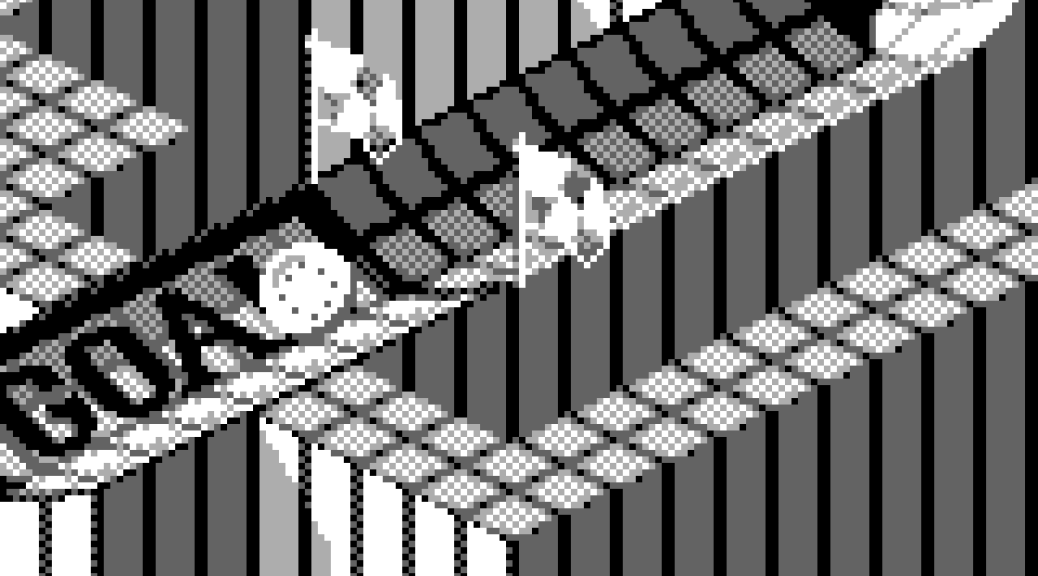
Marble Madness, Game Boy
The original black and white Game Boy version of the classic Marble Madness was published by Mindscape in 1991. I’m not a hundred percent sure who developed it, but it could be Tengen as they are mentioned in the copyright small print on the back of the box and on the title screen.
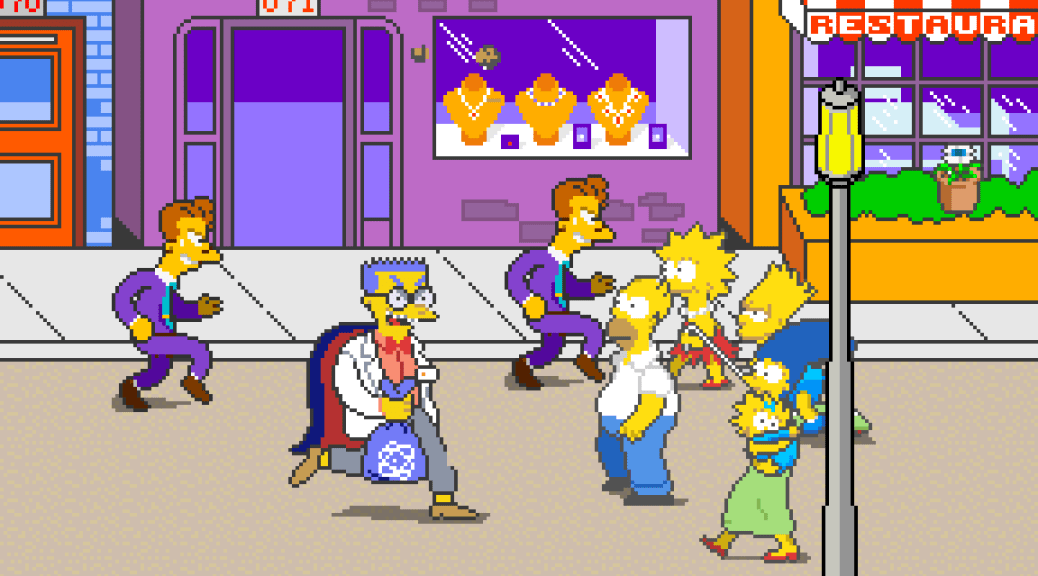
The Simpsons, Arcade
Developed by Konami and first distributed into arcades in 1991, The Simpsons is a scrolling multiplayer beat ’em up based on the award-winning animated series of the same name. You can play as either Marge, Homer, Bart or Lisa and must rescue Maggie, who’s been kidnapped by Mr. Burns and Smithers after a diamond heist gone wrong. The game features the show’s original voice actors: Dan Castellaneta, Julie Kavner, Nancy Cartwright and Yeardley Smith, reprising their roles as the Simpsons family.

Marble Madness, Megadrive/Genesis
Did you know that there are two completely different versions of Marble Madness on the Megadrive/Genesis? The European Megadrive and North American Genesis versions of Marble Madness were published by Electronic Arts in 1991. They were coded by Michael Schwartz, with sound and music by Steve Hayes, and while they’re excellent ports of the classic arcade game, they’re nowhere near as good as the superior Japanese version, which is a completely different game.
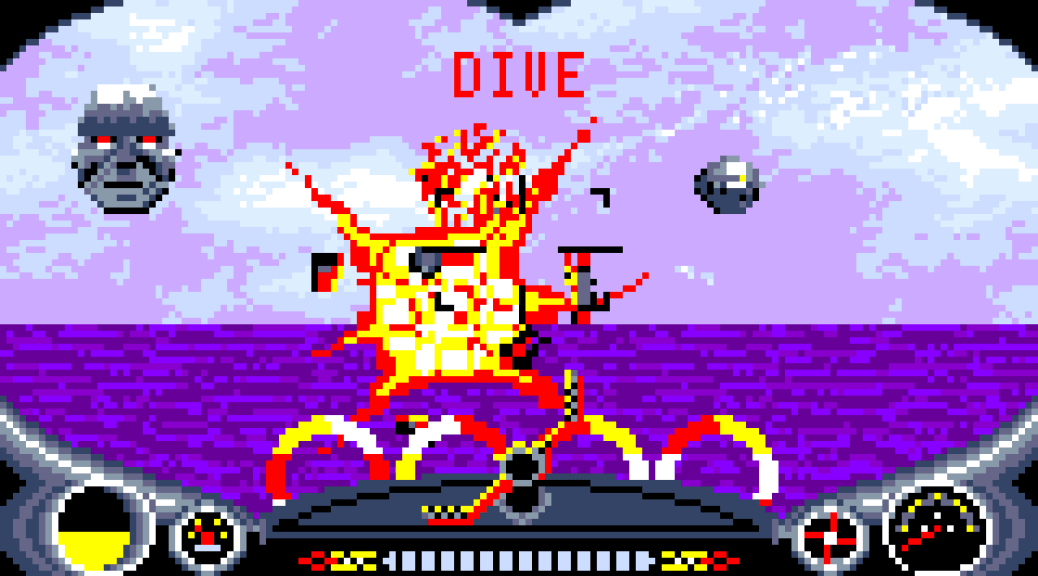
Turbo Sub, Atari Lynx
This 1991 release from Atari Corporation is a conversion of relatively obscure arcade game from 1985, and it is a decent game on the Atari Lynx, with excellent graphics and absorbing gameplay. It was developed for the Lynx by NuFX.
Turbo Sub is a fast-moving first person shooter in which you pilot a futuristic attack submarine and must fight off an alien force attacking the Earth.

Shadow of the Beast, Megadrive/Genesis
The Megadrive/Genesis conversion of Shadow of the Beast was developed by WJS Design* and published by Electronic Arts in North America and Europe in 1991 (Victor Interactive Software in Japan in 1992). It’s arguably one of the best versions of Shadow of the Beast out there.

Avenging Spirit, Arcade
Avenging Spirit was developed by C.P. Brain and distributed into arcades by Jaleco in 1991. It is an obscure platform/action game about the ghost of a dead man avenging the abduction of his girlfriend.
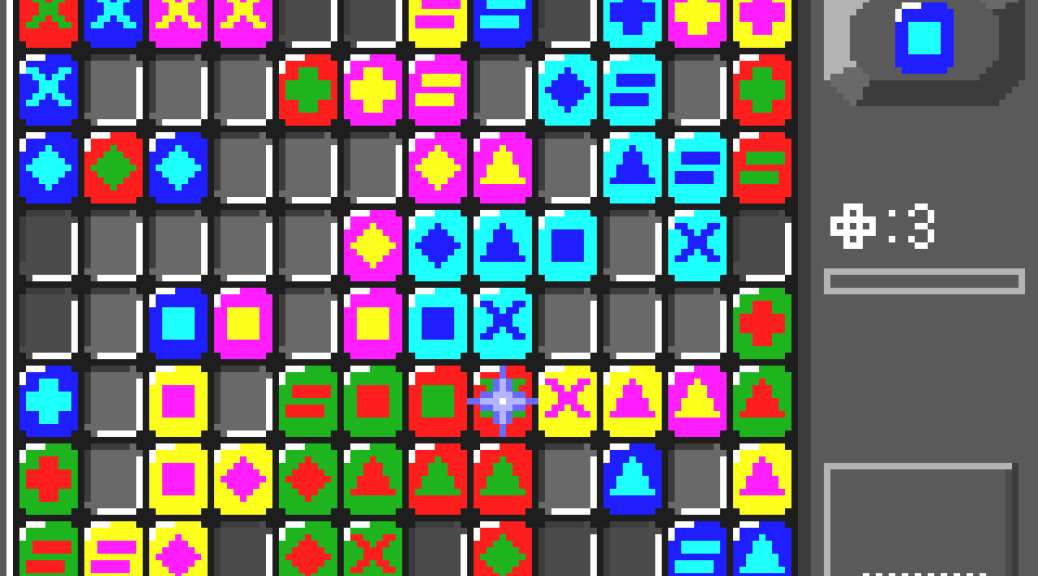
Ishido: The Way of Stones, Atari Lynx
Ishido: The Way of Stones is a puzzle/board game designed by Michael Feinberg; developed by Publishing International and published by Accolade for the Atari Lynx in 1991. And it is a really good game.

Shatterhand, NES/Famicom
Shatterhand is a scrolling action game in which you play a young police officer – called Steve Hermann – who has lost his arms and has had them replaced with enhanced, cybernetic limbs, and is in pursuit of a group of military renegades called “Metal Command“.
Shatterhand was developed by Natsume and originally published for the Nintendo Famicom by Angel under the title of “Tokkyū Shirei Soruburein” in 1991. That version of the game is based on the Japanese TV series “Super Rescue Solbrain“. The US and European versions, published by Jaleco, removed the licensed elements, changed the backstory, and re-titled the game as “Shatterhand” for Western audiences. One level was also completely changed – from a carnival level in the Japanese version, to a submarine level in the American version. The gameplay in both versions is identical, though.

Golden Axe II, Megadrive/Genesis
Golden Axe II is a sequel to the classic Sega arcade game, Golden Axe, and was released exclusively on the Megadrive/Genesis* in 1991 in Japan and 1992 in North America and Europe.
*= It was eventually released as an arcade game using ‘Mega Play’ hardware, which is essentially a Megadrive/Genesis in an arcade cabinet, but the game was initially marketed as a ‘killer app’ on Sega‘s famous home console.
 The King of Grabs