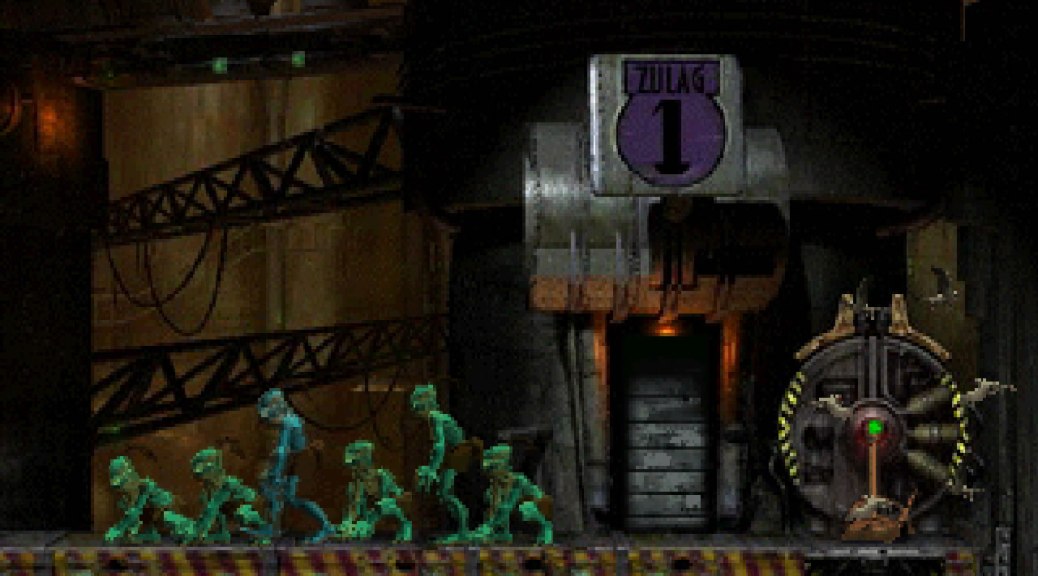
Abe’s Oddysee is the first in a quadrilogy of games that fall under the Oddworld series banner, and the first game to feature Abe – a likeable alien slave who is on the run from his captors.
Tag Archives: running
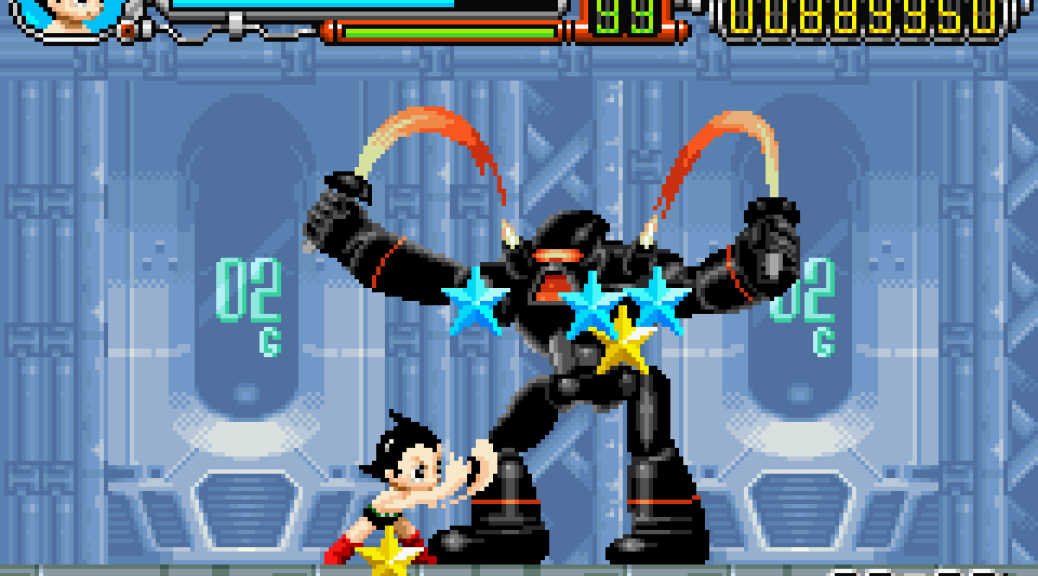
Astro Boy: Omega Factor, Game Boy Advance
Astro Boy: Omega Factor is a fun and visually spectacular scrolling beat ’em up on the Nintendo Game Boy Advance.
The game was created by famous Japanese development house, Treasure – in association with Hitmaker – and was published by Sega in 2003.
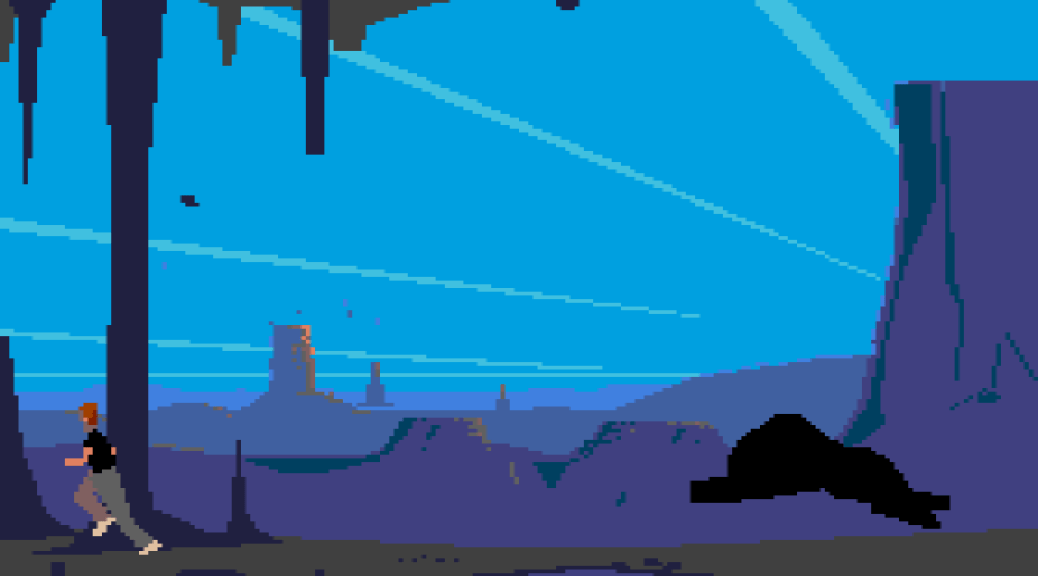
Another World, Megadrive/Genesis
There are countless versions of Another World – Delphine Software‘s 1991, sci-fi masterpiece – but the Megadrive version (shown here) is arguably the best of them.

Fred, ZX Spectrum
Fred was one of two Spanish video games licensed by Quicksilva for release on the ZX Spectrum in the UK in 1983.
Both were made by Indescomp, and the other game was the legendary Bugaboo.
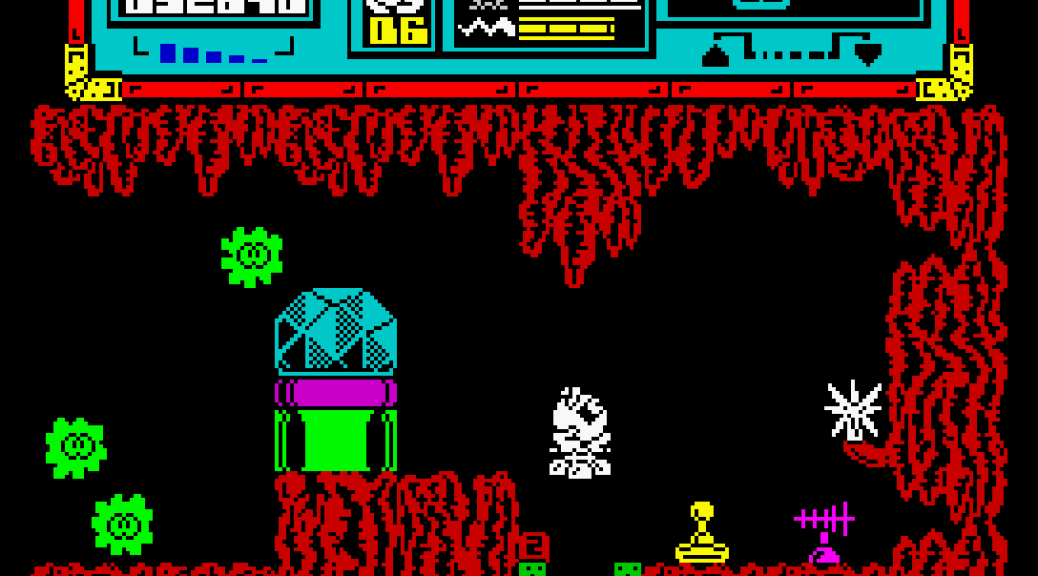
Starquake, ZX Spectrum
Arguably game designer Steve Crow‘s finest hour, Starquake is a brilliant platform action game first released through Bubble Bus Software in 1985.

Android 2, ZX Spectrum
Android 2 is a great little maze shooter for the 48K Spectrum, designed and programmed by Salford University graduate Costa Panayi and published by Vortex Software in 1983.

Android 1: The Reactor Run, ZX Spectrum
Costa Panayi‘s 1983 release, Android 1: The Reactor Run, definitely showed the potential of the young games designer, even if the game overall is a little too short.

Lady Stalker: Challenge From The Past, Super Nintendo
This 1995 Japan-only Taito release is a follow-up (spin-off, rather than a sequel) to Landstalker on the Sega Megadrive.
Continue reading Lady Stalker: Challenge From The Past, Super Nintendo

Track & Field, Arcade
Konami‘s 1983 arcade hit Track & Field broke new ground with its button-bashing gameplay.
It also broke a fair few cabinets along the way, with arcade machine operators having to repair the buttons on machines quite often, to keep them operative (and therefore earning money). A broken Track & Field machine was no good to anyone, and people tend to get carried away and hit too hard when playing this game.

Metroid Fusion, Game Boy Advance
Also known as “Metroid 4“, Metroid Fusion on the Game Boy Advance is the fourth episode in the famous run-and-gun series from Nintendo and was first released in 2002.

