
Sonic Advance was the first Sonic game to appear on a Nintendo platform, and it was developed by Dimps and first published by Sega in 2001.
Tag Archives: Retro Gaming
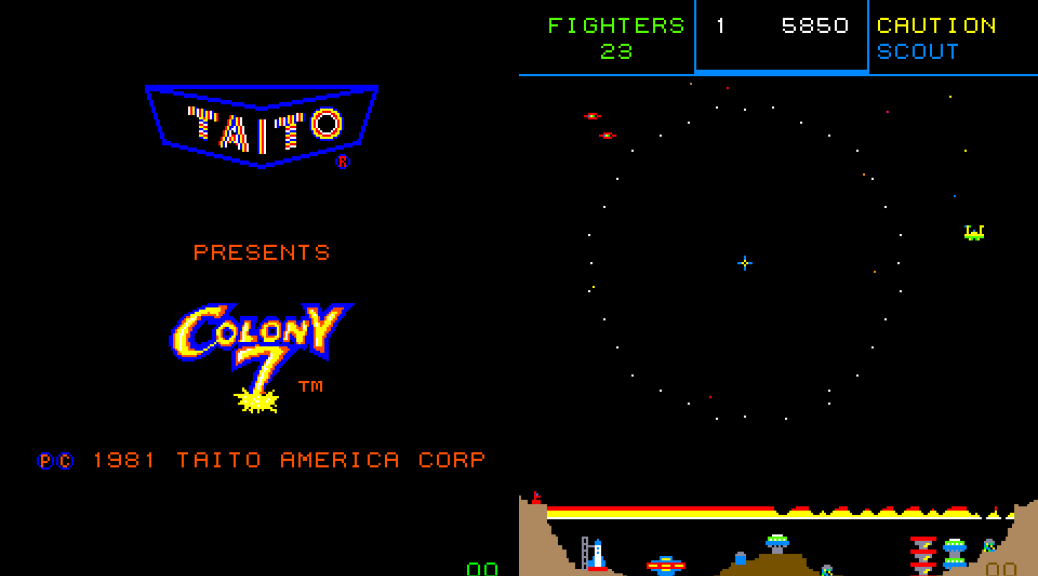
Colony 7, Arcade
Taito‘s American division developed this vertical screen base defence game in 1981. Colony 7 owes quite a bit to Missile Command, if the truth be known, and was also probably the very first video game to feature “rip-off” micro-transactions too…

Pokémon Ruby Version, Game Boy Advance
Pokémon Ruby Version – released the same time as Pokémon Sapphire Version – was developed by Game Freak and published by Nintendo in 2002 in Japan and 2003 everywhere else. It is known as a ‘third generation’ Pokémon game.
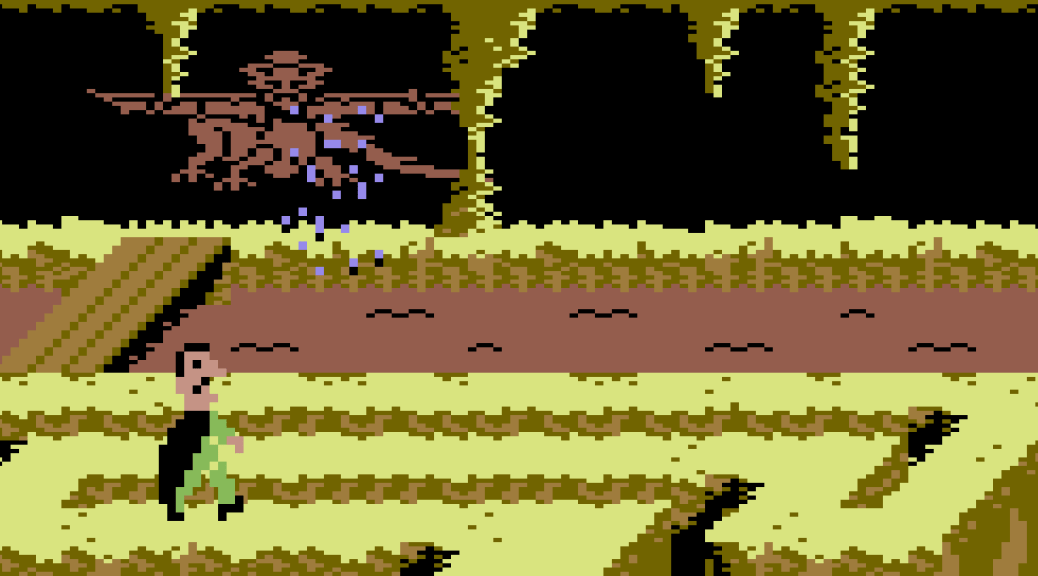
Dragon Skulle, Commodore 64
Dragon Skulle is the fourth and final game in the Sir Arthur Pendragon series, from legendary publisher Ultimate Play The Game. It was first released in 1985 and actually received lukewarm reviews in much of the press at the time.

Blackwyche, Commodore 64
Blackwyche is the third game in the Sir Arthur Pendragon series, following on from The Staff of Karnath and Entombed. It was written by Dave and Bob Thomas and published by Ultimate Play The Game in 1985.
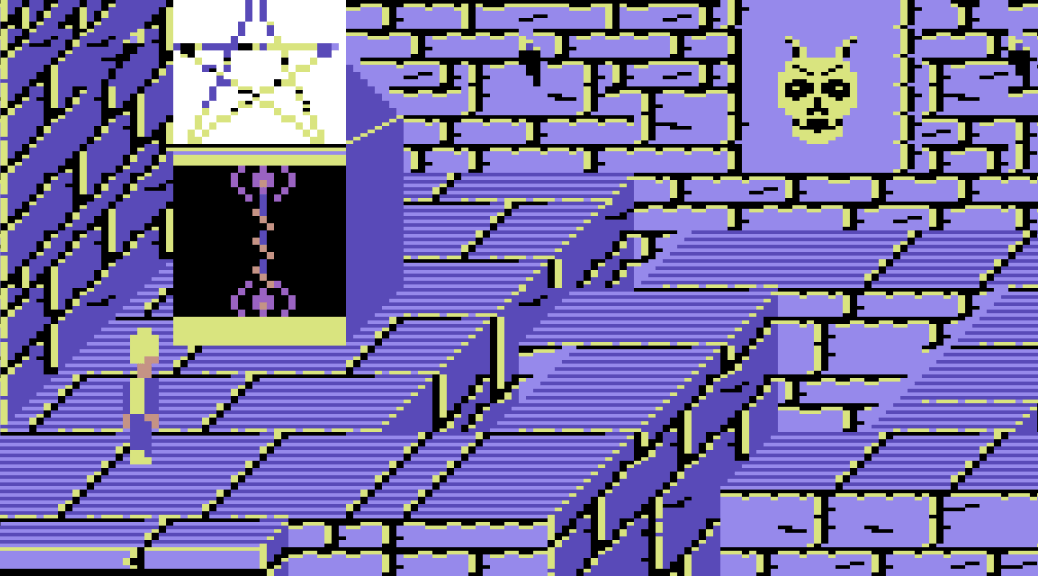
The Staff of Karnath, Commodore 64
The first game in the Sir Arthur Pendragon series, The Staff of Karnath was released on the Commodore 64 in 1984 to some acclaim. Mostly because it was an Ultimate game, and in the eyes of many people (myself included), Ultimate could do no wrong.

Midnight Mutants, Atari 7800
Released only in North America on the Atari 7800 in 1990, Midnight Mutants is a free-roaming, scrolling action adventure with isometric graphics. It was developed by Radioactive Software and the box art features a likeness of Al Lewis, dressed as Grandpa Munster, who plays the role of “Grampa” in this game.

The Last Ninja 3, Commodore 64
The Last Ninja 3 was released by System 3 in 1991 and it follows the same isometric/action template as the previous two games.
Again: there are refinements and differences that make The Last Ninja 3 a worthwhile game in its own right – in particular: the graphics, which are more detailed and colourful than seen previously.
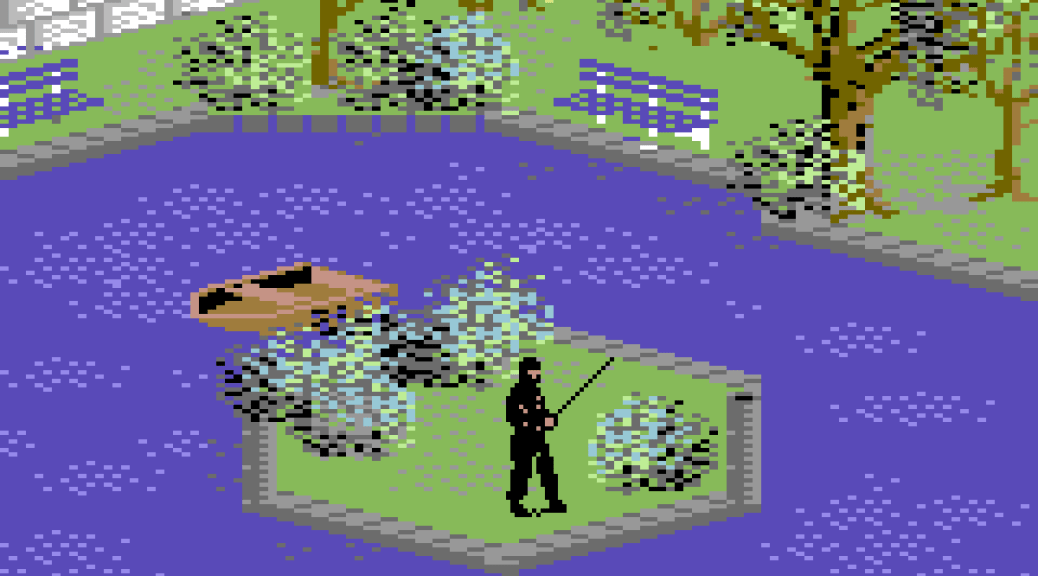
The Last Ninja 2, Commodore 64
The sequel to the classic The Last Ninja was first released by System 3 in 1988 – one year after the original game.
It was designed by the same team as made the first game, except this time they had on board the highly-respected John Twiddy as writer/coder, and Matt Gray doing music.
Graphically, The Last Ninja 2 is arguably better than its predecessor, with more colour and variety in the environments, and some of the gameplay niggles from the first game have thankfully been addressed too. In particular: it is now easier to pick things up!

The Last Ninja, Commodore 64
First released in 1987, The Last Ninja is a classic isometric action adventure game originating on the Commodore 64, and later being converted to other systems.
It has to be said, though: the control system used in this game does leave a lot to be desired when playing it nowadays. Getting your ninja guy to do what you want him to do is tricky – even when you know what you’re doing…
 The King of Grabs