
A fine 16-bit conversion of the classic Mercenary by Paul Woakes, written by Woakes himself it seems. And why wouldn’t it be? It’s a great game and deserves doing right, so who better to code it than the original creator?
Tag Archives: polygons
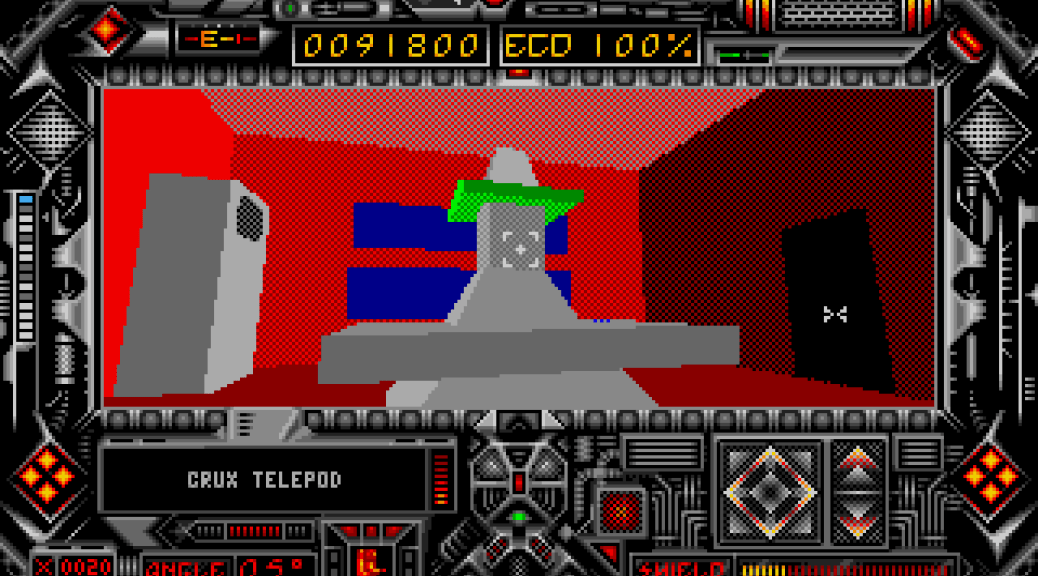
Dark Side, Atari ST
Dark Side is the second Freescape game from Major Developments and was published by Incentive Software (Microprose in the US).
Freescape was one of the earliest (if not THE earliest) 3D game engine and was used to make a series of significant games in the mid Eighties.
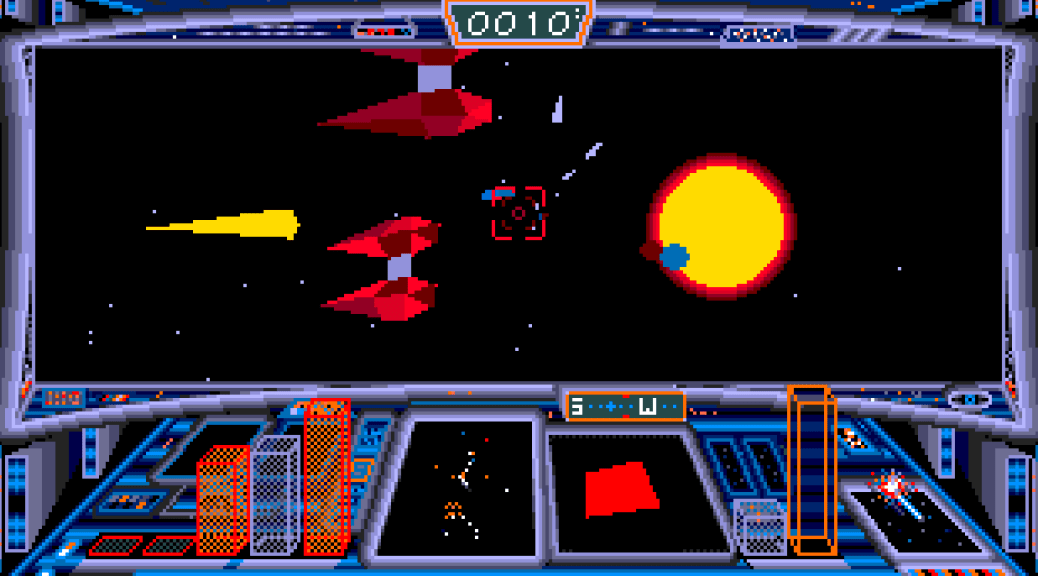
Starglider 2, Atari ST
Starglider 2 was met with pretty much universal acclaim when it was first released in 1988. And – as a 3D shooter – it broke new ground in a number of different areas.
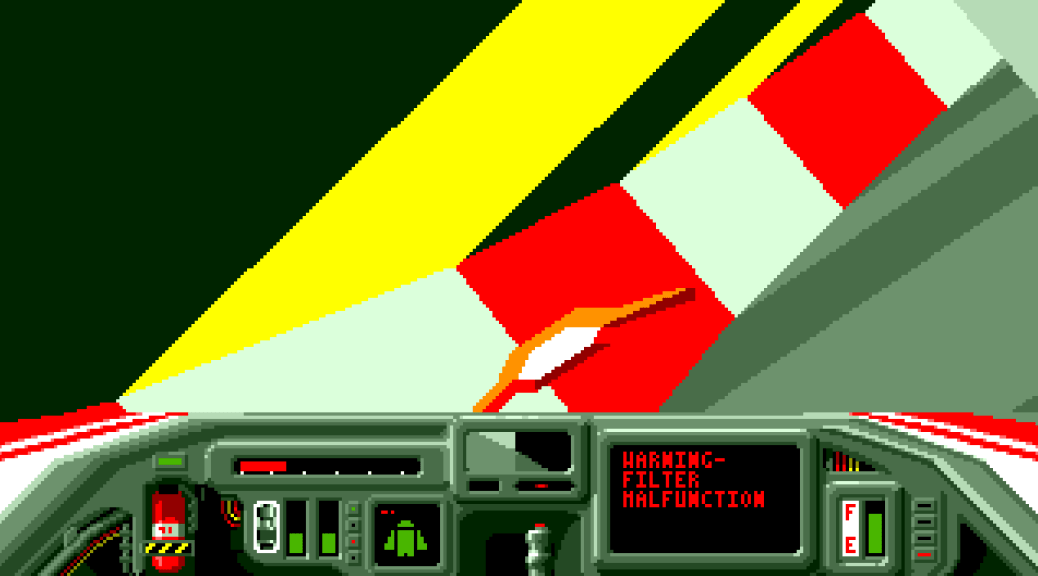
Powerdrome, Atari ST
Michael Powell‘s Powerdrome is a futuristic 3D racing game that pre-dates WipEout. It was first published by Electronic Arts for the Atari ST in 1988.
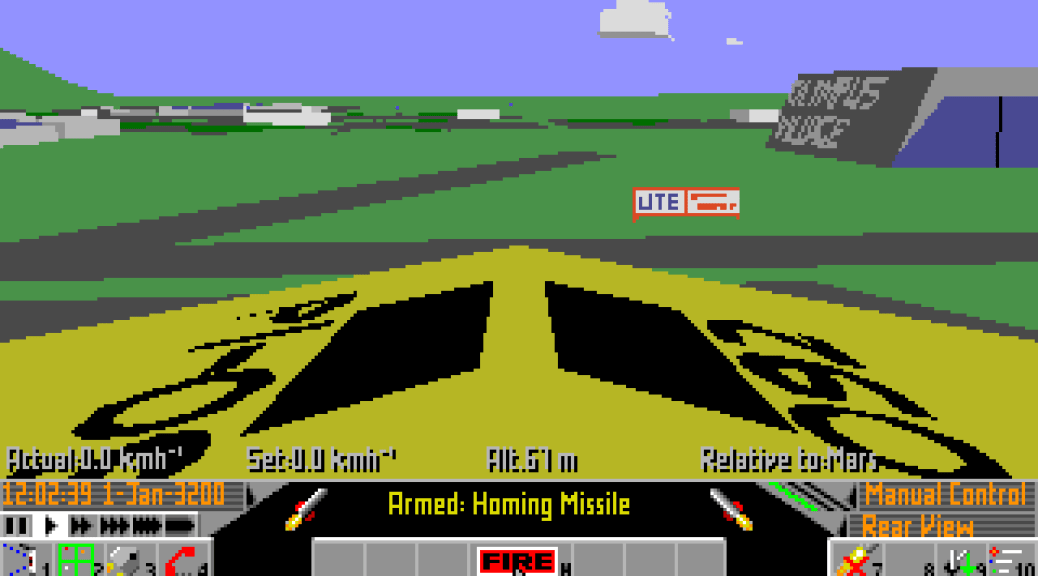
Frontier: Elite II, Atari ST
While all the other space exploration and combat games on 16-bit home computers flail around in their own mucky diapers, Frontier: Elite II makes a mockery of everything else in its class by not only being a staggering piece of programming, but also a damn fine, playable game too.
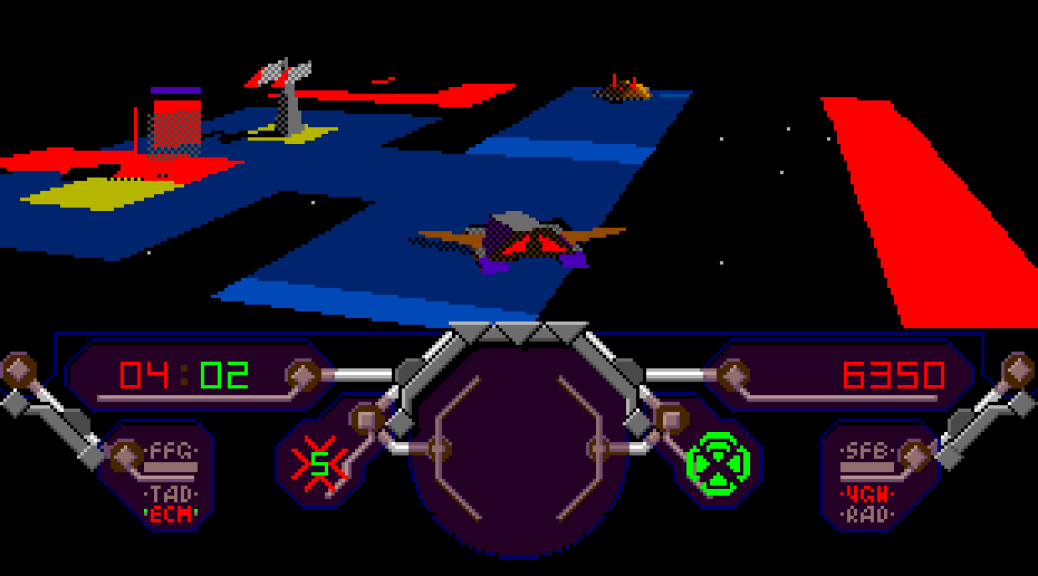
Simulcra, Atari ST
Simulcra is a cool third-person 3D shooter set on a complex series of colourful courses. The game was developed by legendary coding team Graftgold and is one of their least well-known releases, but also one of their best.

Battle Zone, Arcade
Atari‘s 1980 hit Battle Zone was one of the first ever video games to use 3D polygonal vector graphics to represent the playfield.
It’s a tank game, and you’re basically hunting down tanks, flying saucers, and other baddies. Shooting them before they can shoot you.
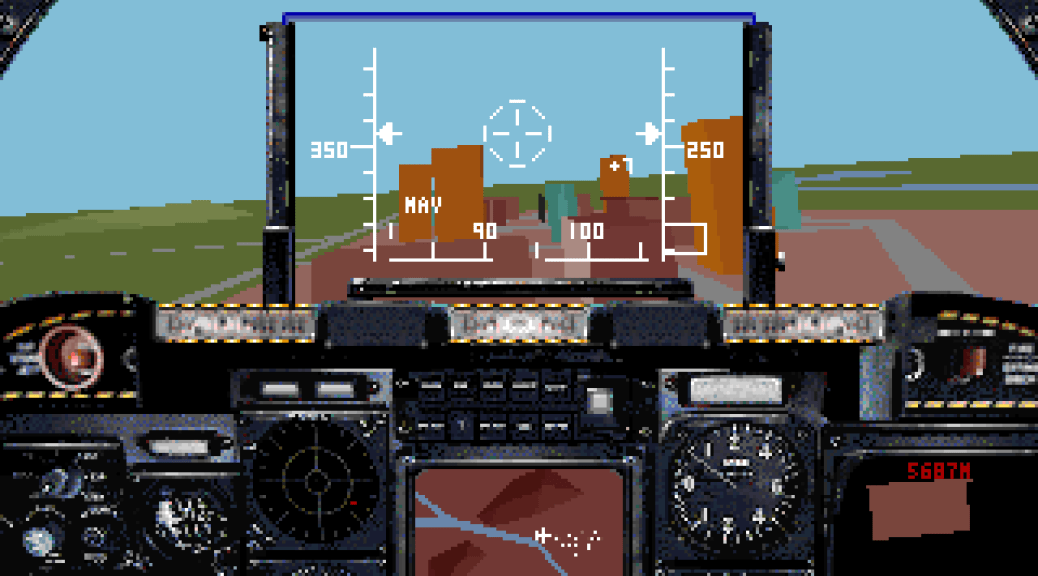
A-10 Tank Killer, PC
Dynamix‘s 1989 combat flight sim, A-10 Tank Killer, is fast and fluid on the PC, making it one of the first serious combat flight sims to offer more than 20 frames a second to games-players. In the early days of combat flight sims: the games were battling against weaker machine specs and lower CPU cycles. When 386 and 486 type PCs entered the market (in 1989), and VGA graphics cards became affordable, only then did the genre finally have the power to be “fast” and “fluid”.

Alone In The Dark 2, PC
Alone In The Dark 2 is a suitably frantic, scary and chilling sequel to 1992’s Alone In The Dark.
Part two came out just over a year after the first game, in 1993, and French developer Infogrames made it bigger and more challenging than the first game.

Driller, Commodore 64
The Commodore 64 version of Incentive‘s classic Driller is surprisingly good, considering that the machine isn’t particularly suited to this kind of game.

