
Another Julian Gollop classic – Laser Squad was one of the earliest squad-based tactical combat video games, released in 1988, and was originally developed for the ZX Spectrum (and later converted to various other systems).
Tag Archives: Cult Game

Championship Pool, Super Nintendo
Bitmasters‘ 1993 title Championship Pool for the SNES is – I think – arguably the best pool game of all time. On any system.

Asteroids, Arcade
Released in November 1979, Atari‘s Asteroids was an instant hit with gamers.
It featured a vector graphic-based, black and white display, with a player-controlled triangular ship, moving in space and firing at moving rocks.

Mr. Gimmick, NES/Famicom
Known as Gimmick! in Japan and Mr. Gimmick everywhere else, this 1992 release was an attempt by Sunsoft to push the graphical powers of the Nintendo Entertainment System further than they’d ever been pushed before (in order to compete with the Super Nintendo, which was relatively new on the market).
In order to do this, Sunsoft used all kinds of clever programming techniques using graphical tilesets and colours, and the end result is very striking. But it wasn’t enough to compete with the newer consoles of the time and Mr. Gimmick sank without a trace, into relative obscurity.

Track & Field, Arcade
Konami‘s 1983 arcade hit Track & Field broke new ground with its button-bashing gameplay.
It also broke a fair few cabinets along the way, with arcade machine operators having to repair the buttons on machines quite often, to keep them operative (and therefore earning money). A broken Track & Field machine was no good to anyone, and people tend to get carried away and hit too hard when playing this game.

Super Metroid, Super Nintendo
The third game in the Metroid series is a top class Super Nintendo classic.
Super Metroid (1994) is more detailed than both previous Metroid games put together, although the basic structure is the same – explore various levels to find your latent abilities, all of which have been lost (“Why does this keep happening in Metroid games?” you may ask. “It’s in the script,” is my answer).
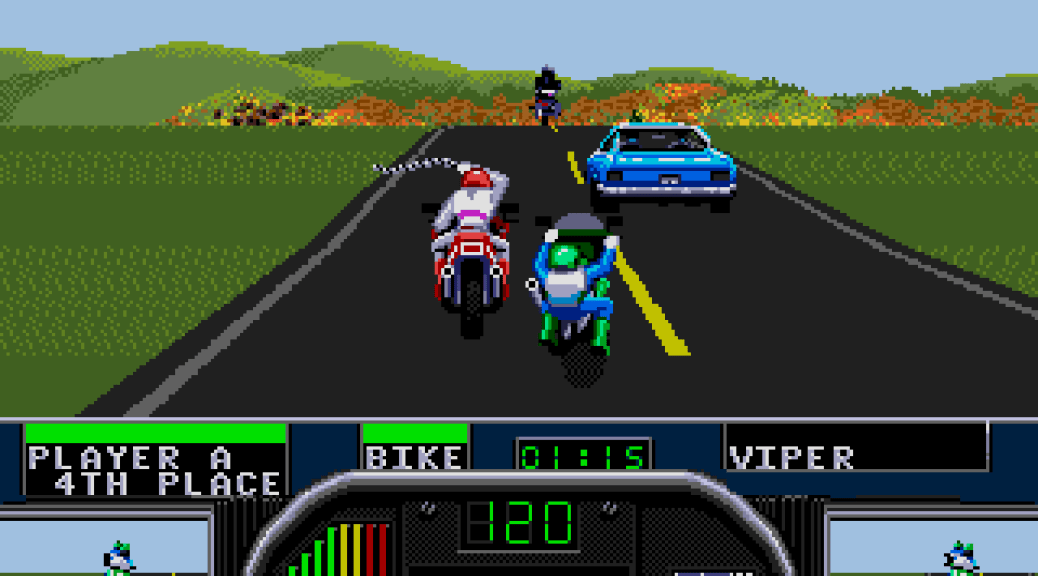
Road Rash II, Megadrive/Genesis
Road Rash II (1992) is an excellent continuation of the Road Rash theme, this time with more variety (you can now kick, as well as punch and use weapons, such as bike chains), and simultaneous two-player, split-screen play.
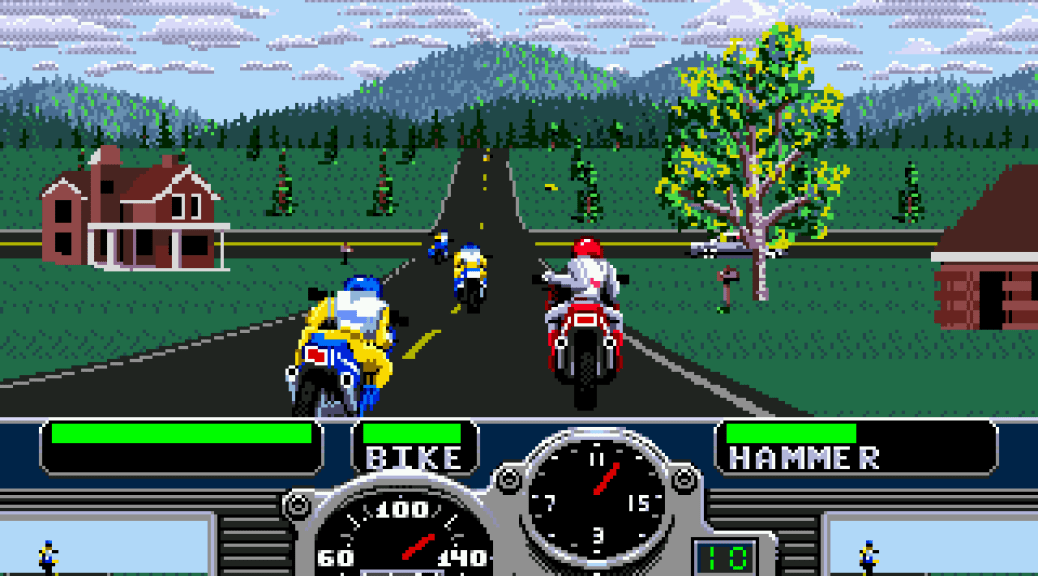
Road Rash, Megadrive/Genesis
Electronic Arts‘ 1991 release, Road Rash, is a fantastic motorbike racing game where the riders can actually punch each other as they are zooming down the roads.
This is obviously a very dirty trick to either knock other riders off their mount, or to gain some other kind of advantage, but it is allowed in the context of this game and it is hilarious!
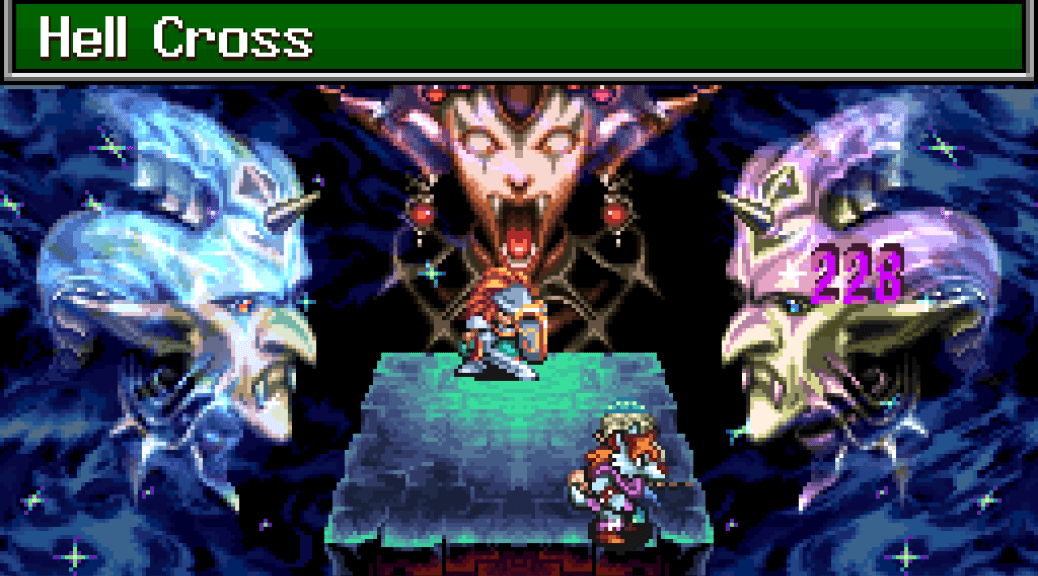
Seiken Densetsu 3, Super Nintendo [Part 5]
Seiken Densetsu 3 was released by Squaresoft in 1995 and an English fan translation came out in 2000. Only five years after the game’s original release there was a fan translation… That’s unheard of. And there are various translations available now, including German and French.

Seiken Densetsu 3, Super Nintendo [Part 4]
I absolutely love the graphical style of Squaresoft‘s Seiken Densetsu 3. It’s a masterwork of pixel graphics artistry. Everything in it, from the characters, to the buildings, to the items, and to the magic spell effects are all incredibly well presented and thought-out. These are definitely among the most iconic 2D RPG graphics ever made. And the people who made them deserve a round of applause from the rest of the gaming world for creating them. 🙂

