
Ocean Software‘s 8-bit conversion of the classic 1981 Nintendo arcade game, Donkey Kong, is considered to be close to perfect on the Amstrad CPC. All the screens; all the sound effects, and all the challenging gameplay elements are present and correct in this port.
Tag Archives: Amstrad CPC
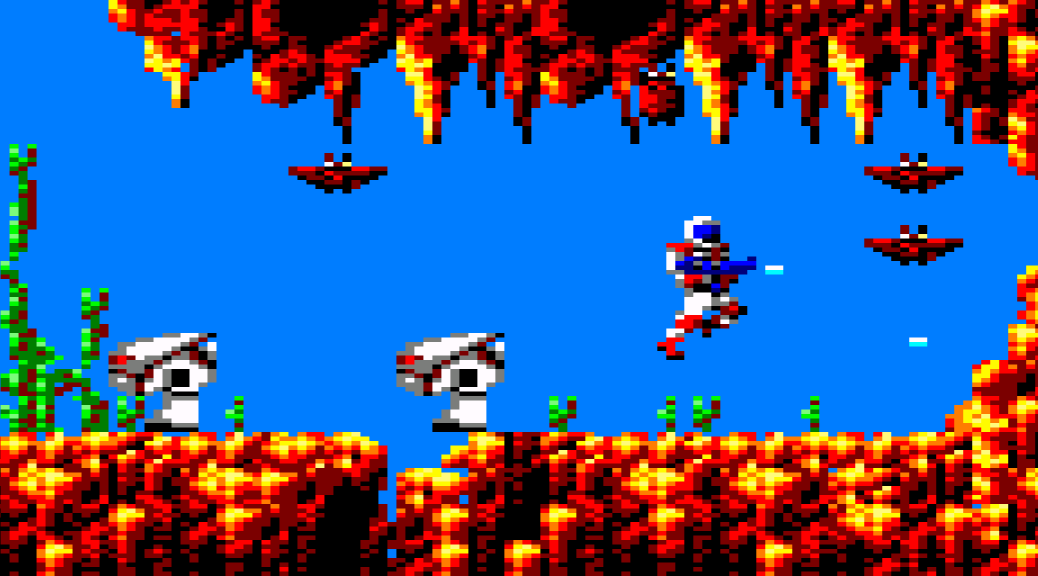
Turrican, Amstrad CPC
Rainbow Arts‘ classic C64 shoot ’em up, Turrican, was converted to the Amstrad by Probe Software, and it demonstrates how to do this kind of side-scrolling run-and-gun shooter on the CPC. Compared to something like Gryzor, Turrican is streets ahead in terms of presentation and playability.
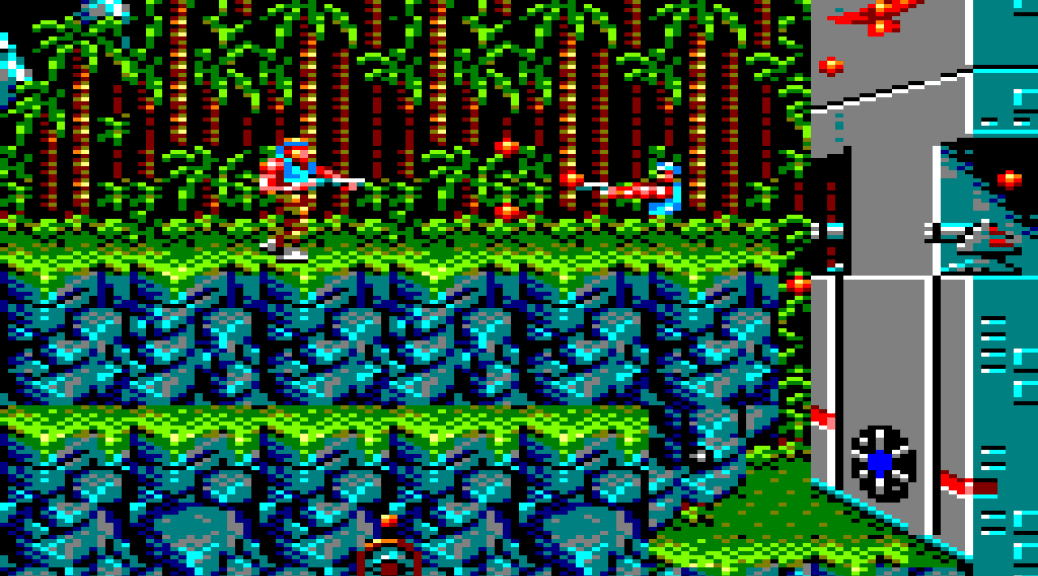
Gryzor, Amstrad CPC
In 1987 Konami released the hugely successful run-and-gun shoot ’em up Contra in arcades, and Gryzor is the localised European conversion of that game, published by Ocean Software in 1988.

Castle Master II: The Crypt, Amstrad CPC
Castle Master II: The Crypt is the sequel to the ghost-hunting Freescape game, Castle Master, and it was released by Domark in 1990 as part of a double pack with the first Castle Master. As far as I know it was never published as a stand-alone title.
The Crypt is the same as Castle Master in many respects, except that the puzzles and environments are obviously different. The controls and aims are the same as before: destroy the spirits before they destroy you; find keys to open doors, and loot the treasures inside a haunted crypt to score points as you go.

Castle Master, Amstrad CPC
Castle Master is a first-person 3D adventure game set in a haunted castle, where the aim is to destroy spirits before they overwhelm you. The game uses the famous Freescape engine, which was an early 3D engine for creating polygonal environments. It was developed by Incentive Software and first published by Domark in 1990.

Stunt Car Racer, Amstrad CPC
Geoff Crammond‘s incredible Stunt Car Racer was converted to the Amstrad CPC by Pete Cooke, the man responsible for classic ZX Spectrum hits Tau Ceti, Academy, and Brainstorm. It’s safe to say that Cooke did an immaculate job of bringing this ace racing game to the Amstrad in 1989.
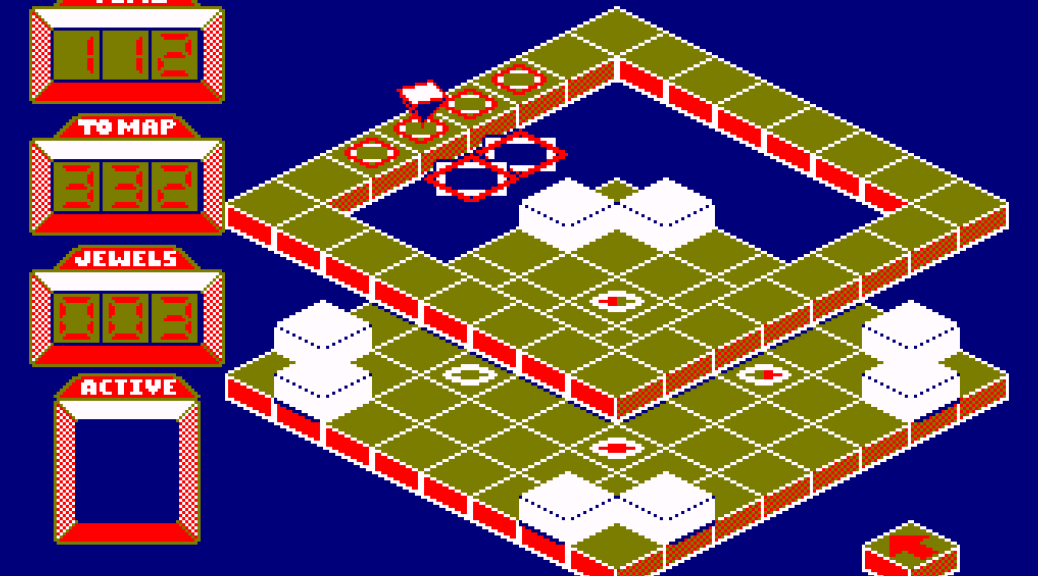
Spindizzy, Amstrad CPC
I was always under the impression that Paul Shirley‘s classic Spindizzy originated on the Commodore 64 and was ported to other machines, but this interview with Shirley says that the game actually originated on the CPC and was ported to other systems. Since Paul Shirley coded the C64 version himself I had guessed that that was a logical assumption to make, but it now looks to be wrong.
The Amstrad version of Spindizzy – one of the best games ever made in my humble opinion – is pretty much perfect, with crisp, clean, detailed graphics and responsive controls.

Sorcery Plus, Amstrad CPC
Sorcery Plus is an expanded version of the best-selling Amstrad game Sorcery, catering for 128K disk-based machines and featuring new rooms and other enhancements. It was developed by Gang of Five and published by Virgin Games in 1985.

Chase HQ, Amstrad CPC
Ocean Software‘s 1989 conversion of Taito‘s classic arcade race game, Chase HQ, is a bit of a doozy on the Amstrad. While it doesn’t have quite the impact that its amazing arcade parent does, it does do a very good job of trying to recreate its high-octane, criminal-chasing thrills.
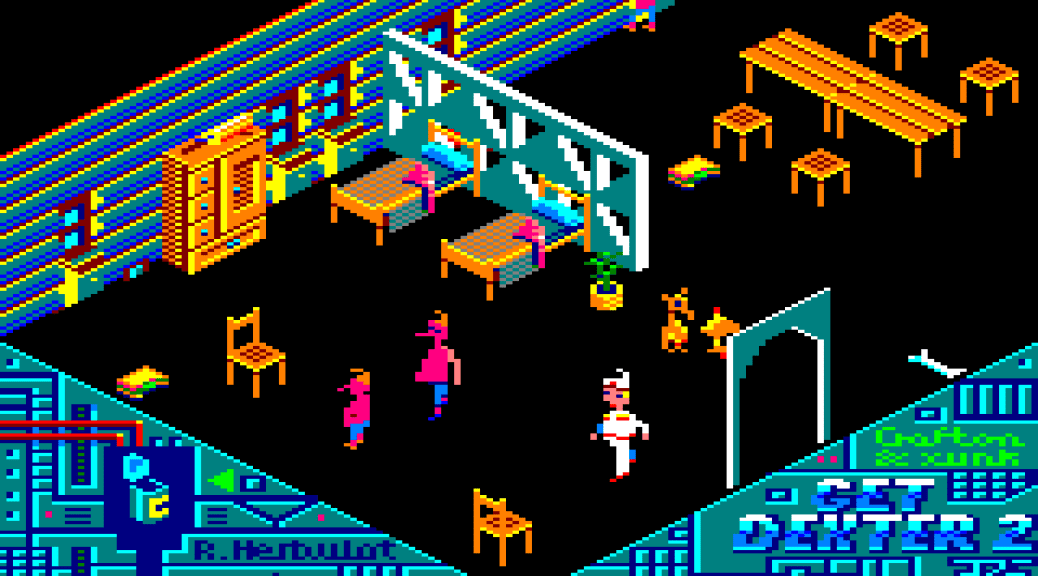
Get Dexter 2, Amstrad CPC
The sequel to the classic Amstrad adventure, Get Dexter, is more of the same isometric puzzle-solving, and weird futuristic adventuring, except that this time the game world is comprised of interlinked exterior screens rather than a simple maze of rooms.

