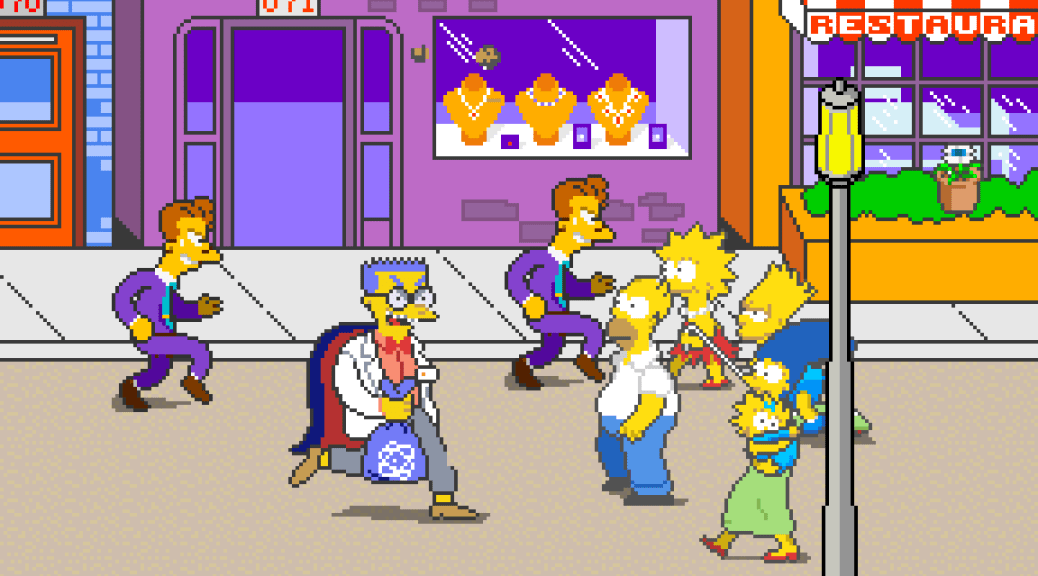
Developed by Konami and first distributed into arcades in 1991, The Simpsons is a scrolling multiplayer beat ’em up based on the award-winning animated series of the same name. You can play as either Marge, Homer, Bart or Lisa and must rescue Maggie, who’s been kidnapped by Mr. Burns and Smithers after a diamond heist gone wrong. The game features the show’s original voice actors: Dan Castellaneta, Julie Kavner, Nancy Cartwright and Yeardley Smith, reprising their roles as the Simpsons family.
Tag Archives: 2D graphics
Flat, two-dimensional graphics, usually constructed of pixels. Not three-dimensional.

Marble Madness, Atari ST
The Atari ST version of Marble Madness was converted by Will Harvey (who also programmed the C64 and Apple II versions – among others), and Jim Nitchals, and was published by Electronic Arts in 1987. It is very similar to the 8-bit ports Harvey produced, rather than the more authentic Amiga version (that he didn’t).

Kiki Kaikai, Arcade
Kiki Kaikai (the literal translation being “Strange and Mysterious World“) is a shoot ’em up developed and distributed into Japanese arcades by Taito in 1986. Set in Feudal Japan, the player assumes the role of a Shinto shrine maiden, called Sayo-chan, who must use her ‘O-Fuda’ scrolls and ‘Gohei’ wand to defeat renegade spirits and monsters from Japanese mythology. Sayo’s ultimate aim is to free The Gods of Fortune who have been imprisoned by evil spirits.

Marble Madness, Apple II
The Apple II port of Atari Games‘ classic Marble Madness was first published by Electronic Arts in 1986. It was converted by Will Harvey of Sandcastle Productions, who also made the Commodore 64 version, of which this is basically a copy. Lack of colour aside, this conversion does have some playability issues that make it frustrating to play.
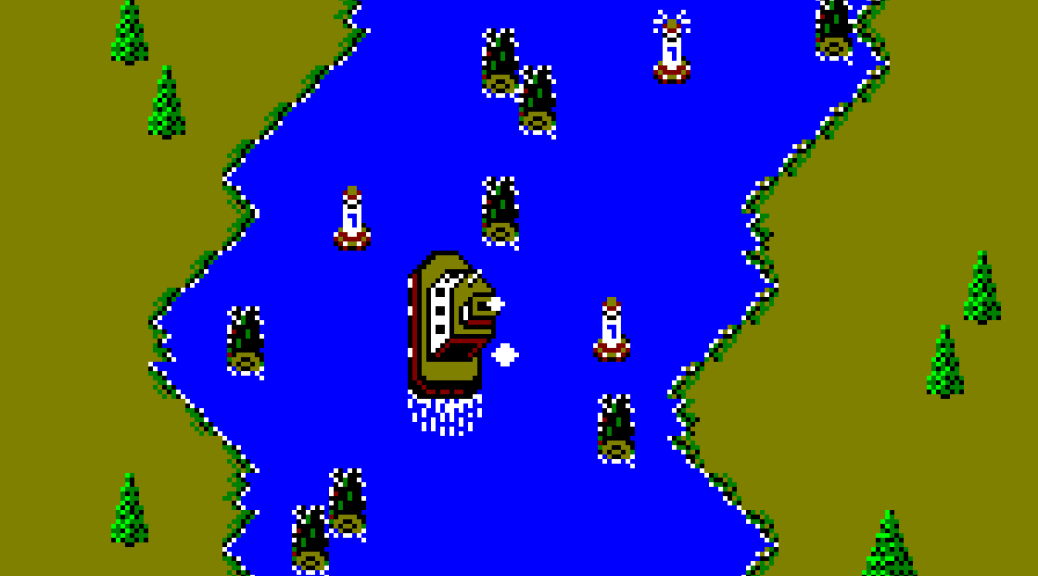
Tugboat, Arcade
Tugboat is a relatively early colour arcade game, created by Enter-Tech and first distributed as part of the Moppet Video range in 1982. It is a very simple game that was designed for children – housed in a miniature arcade cabinet – in which you control a tugboat moving down a river and must avoid floating logs (and collisions with the banks), and can collect floating buoys by moving left and right.

Marble Madness, PC
The PC version of Marble Madness runs under MS-DOS and was developed by Will Harvey (and a small team of other people at Sandcastle), and was published by Electronic Arts in 1987.
Since they were all coded by the same person, the Commodore 64, Atari ST, Apple II, Apple IIgs and PC versions are all very similar. This one also contains the hidden secret level accessible from the first course, although don’t get too excited about it because it’s not very good.
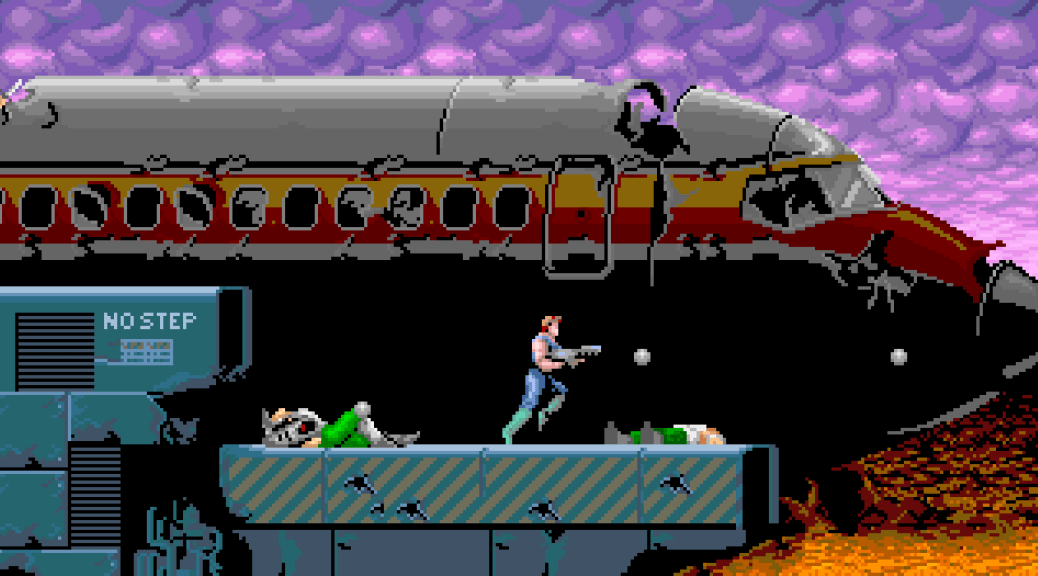
Bay Route, Arcade
This terrible pun of a title (meant to ‘parody’ the word Beirut, the capital city of Lebanon) was developed by Sunsoft and distributed into arcades by Sega in 1989. It’s a one or simultaneous two-player Contra clone scrolling through a futuristic warzone.

Marble Madness, Commodore 64
The Commodore 64 version of Marble Madness was developed by Will Harvey and published by Electronic Arts in 1986. It has something unique that most other Marble Madness conversions don’t have, which is: a secret extra level that is accessible from the first stage. It also has the two player mode from the arcade original, where both marbles can race to the goal simultaneously.
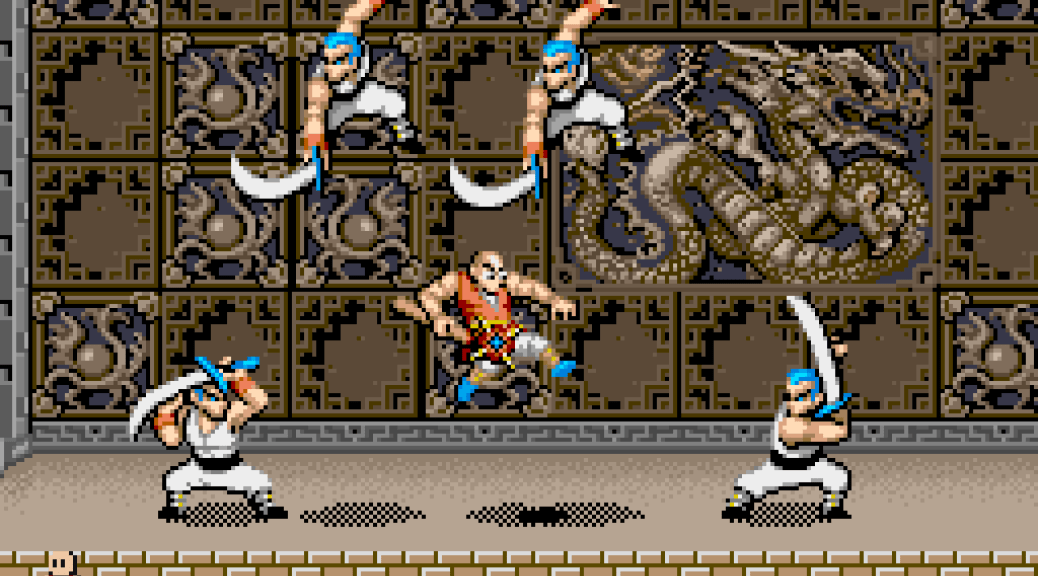
Tiger Road, Arcade
Tiger Road is a single-player hack-and-slash platform/action game, released into arcades by Capcom in 1987. It pre-dates Sega‘s Golden Axe by two years, but is very similar in terms of gameplay.

Marble Madness, Megadrive
The Japanese Megadrive release of Marble Madness is completely different to the North American and European release of the game and was developed and published by Tengen in 1993. It is far superior to the Western Megadrive/Genesis release and is more authentic to the arcade original. In fact: it is very, very close to the arcade game, in terms of graphics, sound and gameplay. If you didn’t know that the Japanese version of the game was different, I’d recommend checking it out as it may shock you to find out how good it is…
 The King of Grabs