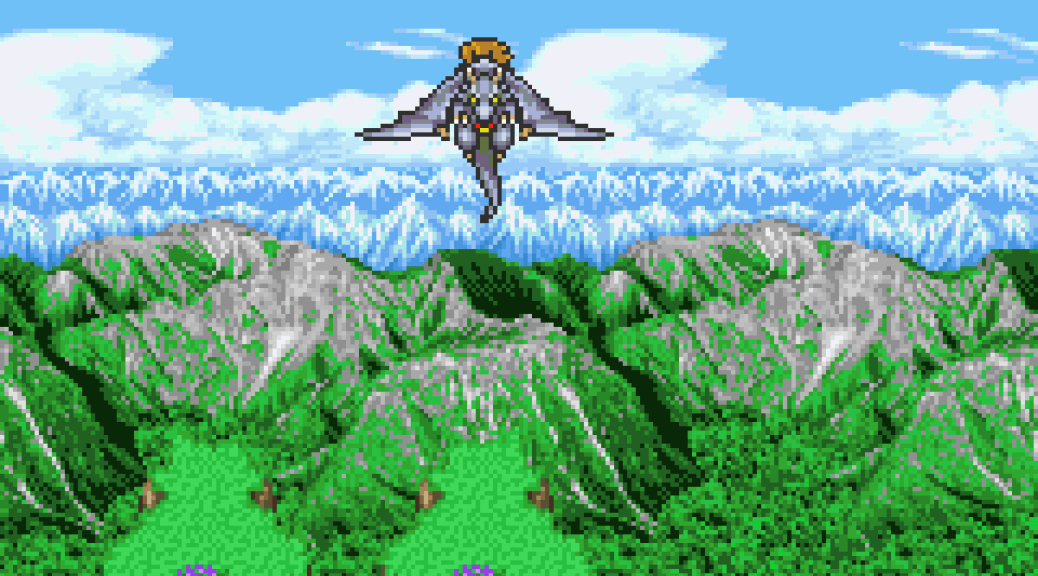
Dragon Quest V, Super Nintendo

First released in 1992 by Enix, Dragon Quest V (five – or, to give the game its full title: Dragon Quest V: Hand of the Heavenly Bride) is another fun-to-play JRPG that is simple but engaging, and also contains enough detail and surprises to feel worthwhile.

It was the first Dragon Quest game released for the Super Nintendo and sold over three million copies in Japan.

Like its successor, Dragon Quest VI, it wasn’t officially released in the West until decades later, but English fan translation patches for the game do exist and that is what I’m showing here.

Continue reading Dragon Quest V, Super Nintendo

Lufia and the Fortress of Doom, Super Nintendo

This is the first game in the Lufia series – developed by Neverland and published by Taito in 1993 for the Super Nintendo.

Lufia and the Fortress of Doom is a cute and colourful Japanese Role-Playing game with Zelda-style presentation and turn-based combat.

Continue reading Lufia and the Fortress of Doom, Super Nintendo

Realms of the Haunting, PC

I have to admit that, in spite of the slightly wonky graphics/cut scenes, I have a real soft spot for Gremlin Interactive‘s 1997 PC MS-DOS release, Realms of the Haunting. Mostly because I was lucky and got to visit Gremlin‘s offices in Sheffield to see the game in production, and to talk to the people who were making it. I drove all the way from Bournemouth – where I worked as a video games magazine editor – and spent an entire day there to preview the game for PC Power magazine.

Continue reading Realms of the Haunting, PC

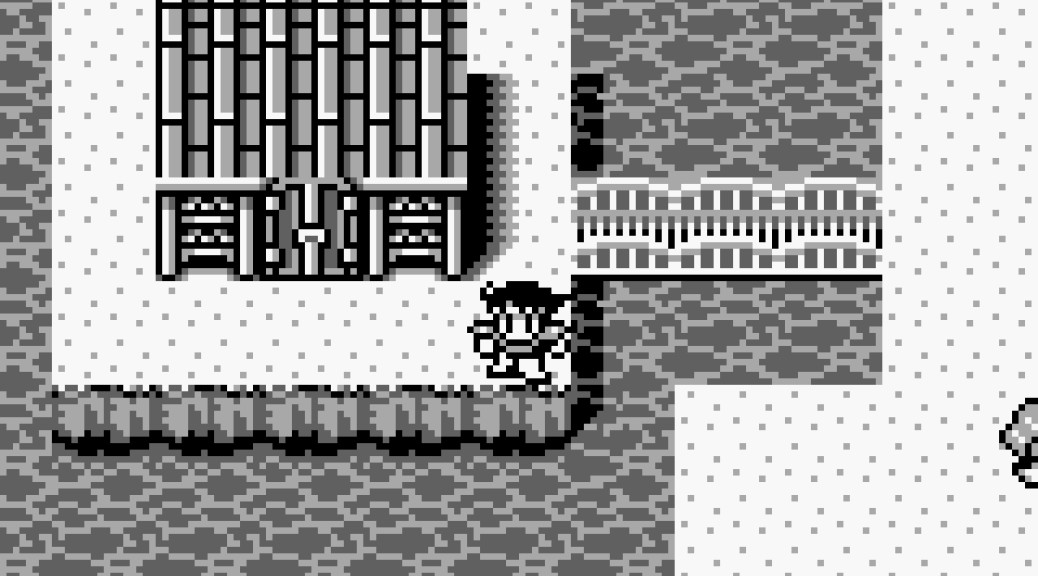
Final Fantasy Legend III, Game Boy

As Final Fantasy Legend games go this third instalment in the series is a little weird. It plays just as good as the previous two games (maybe even better because it has the advantage of refinement), but the way it’s presented is somewhat strange.

Continue reading Final Fantasy Legend III, Game Boy

Final Fantasy VI Advance, Game Boy Advance

Final Fantasy VI Advance was released in Japan in 2006, and 2007 in English language territories. It’s a remake of the Super Nintendo original, developed by a Japanese company called Tose.

Continue reading Final Fantasy VI Advance, Game Boy Advance

Final Fantasy VI, Super Nintendo

Final Fantasy VI (six) is where the series started to move away from its ‘cute’ roots and into darker story-telling territory, foreshadowing the distant Final Fantasy VII. It was initially released on the Super Nintendo in 1994.

Continue reading Final Fantasy VI, Super Nintendo

Final Fantasy V Advance, Game Boy Advance

Final Fantasy V Advance is the third Tose-developed remake for the Game Boy Advance and was first released in 2006.

Again: it uses the same refined interface and beautifully-drawn and coloured graphics of the previous two Tose remakes and somehow manages to make the Super Nintendo original look a little drab in the process.

Continue reading Final Fantasy V Advance, Game Boy Advance

Final Fantasy V, Super Nintendo

Final Fantasy V (five) was released in Japan for the Super Nintendo in 1992 although it did not get an official English language translation until it was later re-released on the Sony PlayStation in 1999.

Continue reading Final Fantasy V, Super Nintendo

Final Fantasy IV Advance, Game Boy Advance

In the mid Noughties Japanese developer Tose undertook the task of converting and updating the early Final Fantasy games to the Nintendo Game Boy Advance for Square Enix (as they were known then).

Continue reading Final Fantasy IV Advance, Game Boy Advance