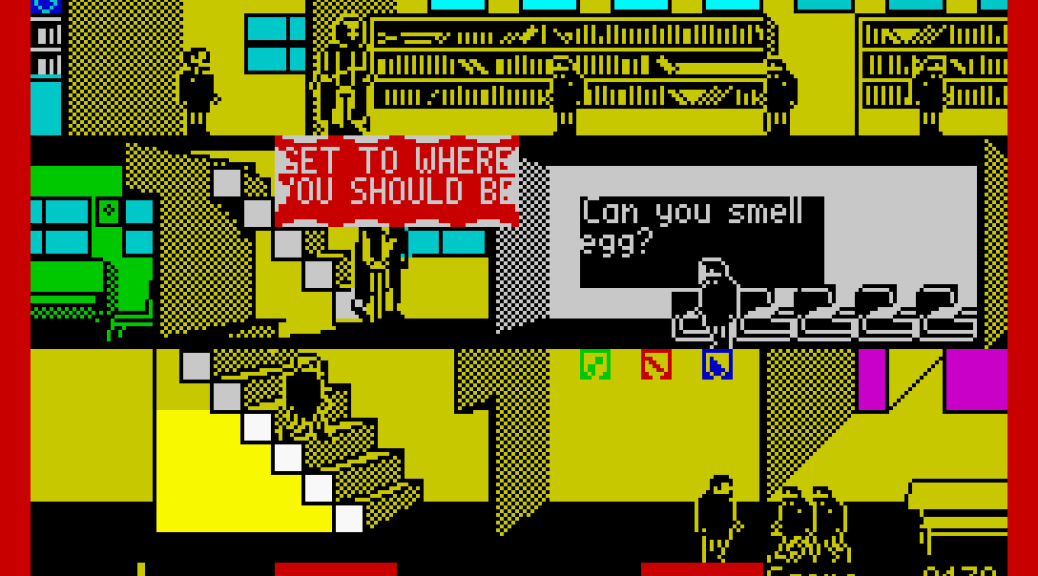
Dave Reidy, and his wife Helen (a school teacher at the time), devised and made Skool Daze for Microsphere, way back in 1984.
This memorable ‘school simulator’ was an instant hit with gamers at the time.
Dave Reidy, and his wife Helen (a school teacher at the time), devised and made Skool Daze for Microsphere, way back in 1984.
This memorable ‘school simulator’ was an instant hit with gamers at the time.
Argonaut Software‘s 1992 release (through Jaleco) – King Arthur’s World – is an interesting and challenging real time action game with strategic overtones.
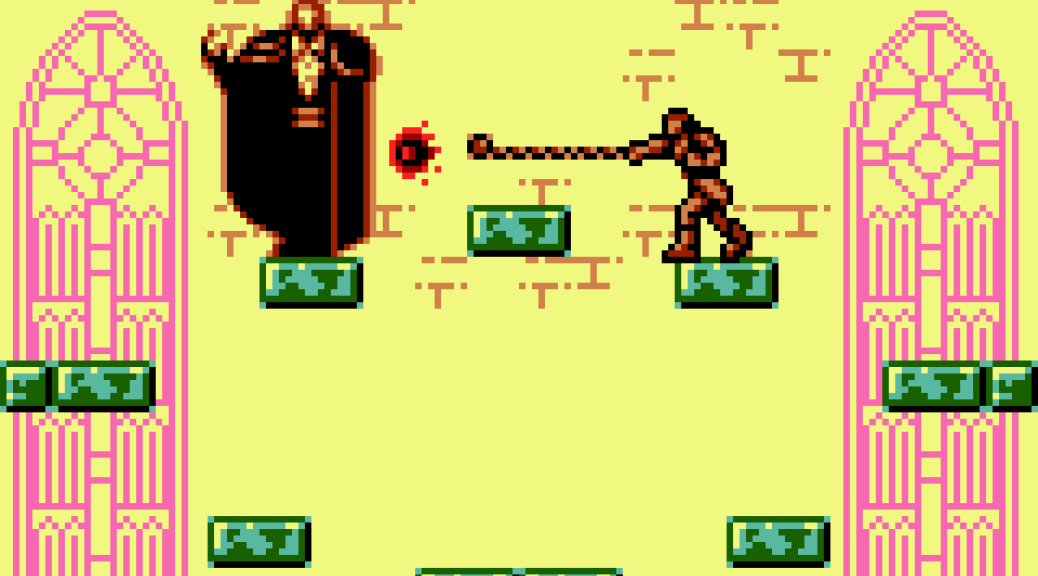
This colour remake of Castlevania II: Belmont’s Revenge was released as part of the Konami GB Collection Vol. 4 compilation in 2000.
Continue reading Castlevania II: Belmont’s Revenge, Game Boy Color
Todd’s Adventures in Slime World is a game developed by Epyx and first released on the Atari Lynx in 1990.
This Megadrive/Genesis version came later – in 1991 – and in my mind is better than the original, because you can see more of the play area in this version (because the graphics are higher resolution), and there’s also simultaneous split-screen play.
Continue reading Todd’s Adventures in Slime World, Megadrive/Genesis
The original Atari Lynx version of Todd’s Adventures in Slime World, developed by Epyx and released by Atari in 1990.
Continue reading Todd’s Adventures in Slime World, Atari Lynx
Castlevania II: Belmont’s Revenge was first released in 1991 and is the sequel to Castlevania: The Adventure on the Nintendo Game Boy.
Castlevania II makes much better use of the Game Boy‘s hardware than its predecessor, and is considered to be one of the best titles on Nintendo‘s monochrome handheld.
Continue reading Castlevania II: Belmont’s Revenge, Game Boy
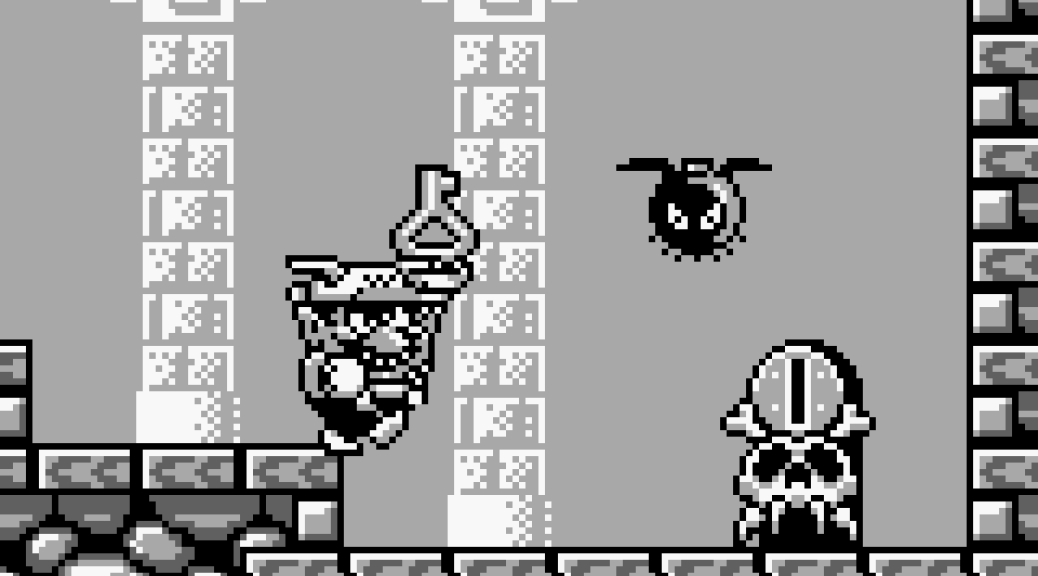
This third game in the Super Mario Land series was the first Nintendo game to give Wario his own title, and also feature him as a playable character. After this, the Wario games went on to become a successful series in their own right.
Also known as “Metroid 4“, Metroid Fusion on the Game Boy Advance is the fourth episode in the famous run-and-gun series from Nintendo and was first released in 2002.
The third game in the Metroid series is a top class Super Nintendo classic.
Super Metroid (1994) is more detailed than both previous Metroid games put together, although the basic structure is the same – explore various levels to find your latent abilities, all of which have been lost (“Why does this keep happening in Metroid games?” you may ask. “It’s in the script,” is my answer).
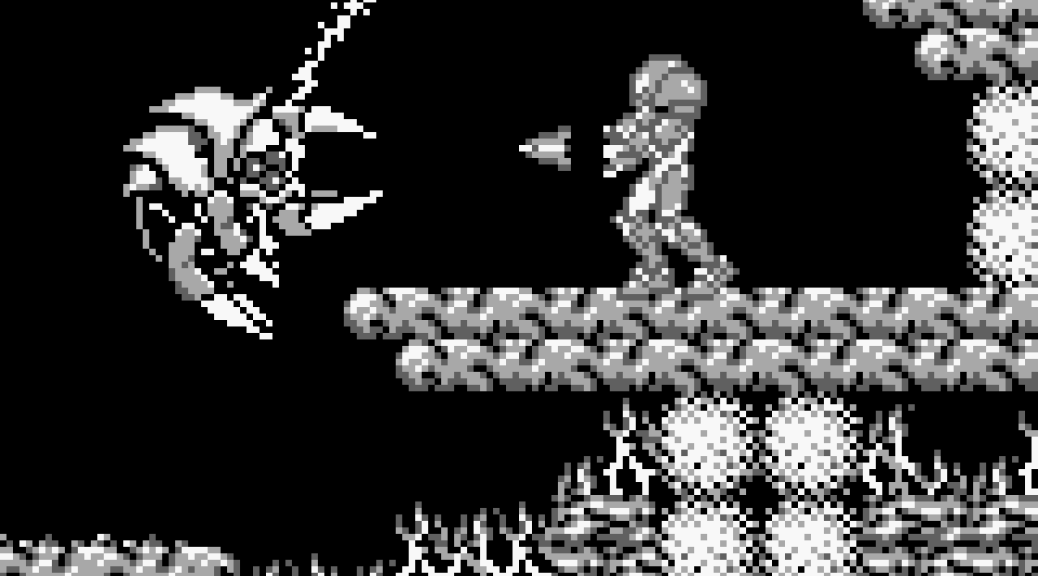
The second ever Metroid game first appeared on the Nintendo Game Boy in 1991.
Metroid II: Return of Samus is a brilliant continuation of the first Metroid game. The animation of lead character Samus is much more gritty and realistic in this game, compared to the NES original. And the monochromatic graphics actually seem to add to the eerie atmosphere, rather than hamper the game at all.





 The King of Grabs