
Another Julian Gollop classic – Laser Squad was one of the earliest squad-based tactical combat video games, released in 1988, and was originally developed for the ZX Spectrum (and later converted to various other systems).
Tag Archives: pioneering

Asteroids, Arcade
Released in November 1979, Atari‘s Asteroids was an instant hit with gamers.
It featured a vector graphic-based, black and white display, with a player-controlled triangular ship, moving in space and firing at moving rocks.

Civilization, PC
Sid Meier‘s Civilization is a classic turn-based strategy game first released by MicroProse in 1991.
Since then it has been re-made and re-released many times, such is the allure of its classic gameplay.

Star Fire, Arcade
Exidy‘s Star Fire is one of the earliest colour video games ever made. It was first released into arcades in 1979, when most arcade games of the time used black and white displays.
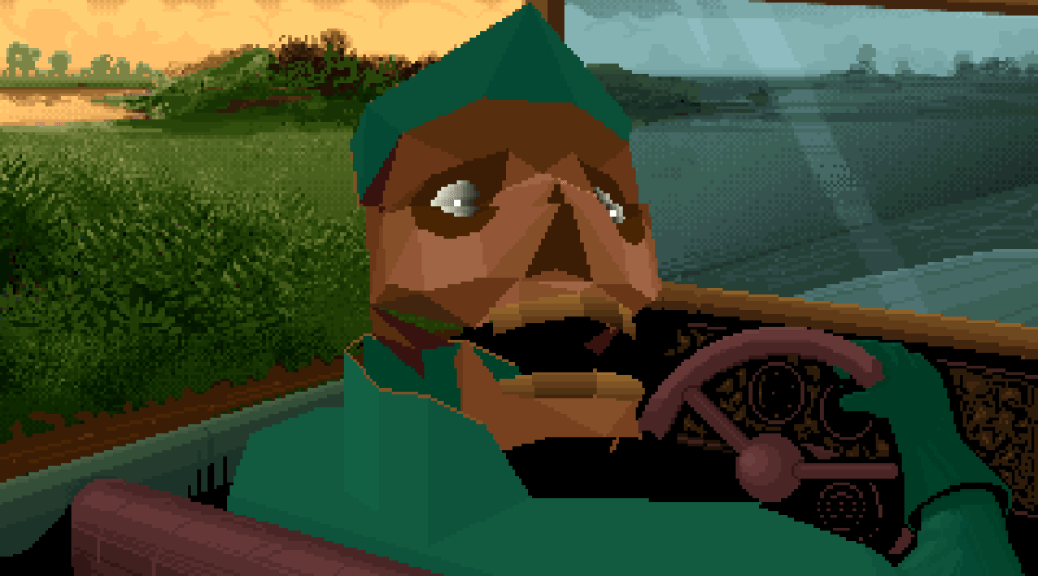
Alone In The Dark, PC
Infogrames‘ Alone In The Dark is one of the earliest survival horror games to use 3D graphics (mixed with 2D graphics), and it really broke new ground when it was first released back in 1992.

Track & Field, Arcade
Konami‘s 1983 arcade hit Track & Field broke new ground with its button-bashing gameplay.
It also broke a fair few cabinets along the way, with arcade machine operators having to repair the buttons on machines quite often, to keep them operative (and therefore earning money). A broken Track & Field machine was no good to anyone, and people tend to get carried away and hit too hard when playing this game.

Metroid Fusion, Game Boy Advance
Also known as “Metroid 4“, Metroid Fusion on the Game Boy Advance is the fourth episode in the famous run-and-gun series from Nintendo and was first released in 2002.

Super Metroid, Super Nintendo
The third game in the Metroid series is a top class Super Nintendo classic.
Super Metroid (1994) is more detailed than both previous Metroid games put together, although the basic structure is the same – explore various levels to find your latent abilities, all of which have been lost (“Why does this keep happening in Metroid games?” you may ask. “It’s in the script,” is my answer).
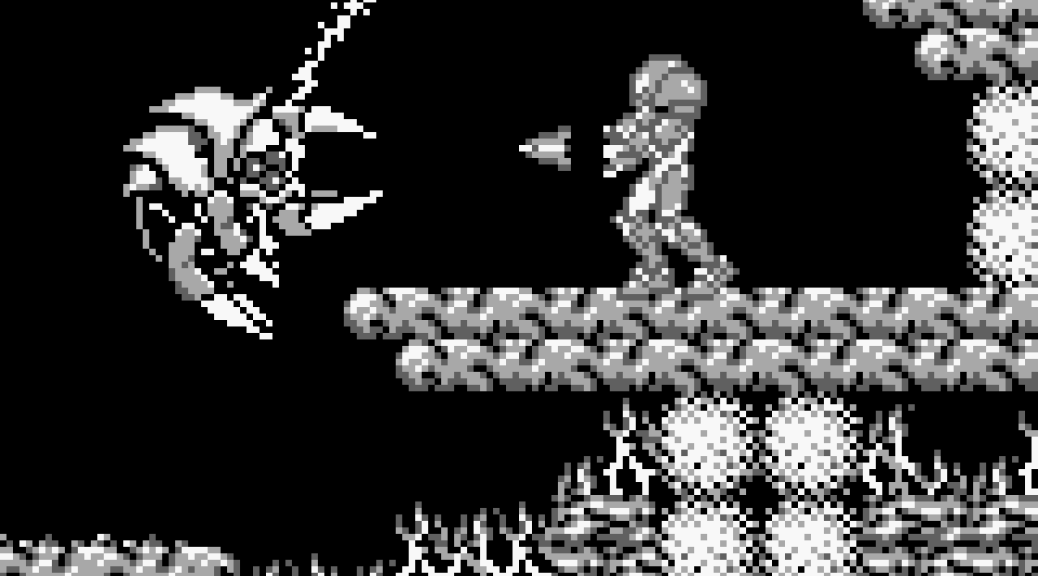
Metroid II: Return of Samus, Game Boy
The second ever Metroid game first appeared on the Nintendo Game Boy in 1991.
Metroid II: Return of Samus is a brilliant continuation of the first Metroid game. The animation of lead character Samus is much more gritty and realistic in this game, compared to the NES original. And the monochromatic graphics actually seem to add to the eerie atmosphere, rather than hamper the game at all.

Metroid, NES
This first Metroid, for the Nintendo Entertainment System, was initially released in 1986 and remains the toughest episode in the whole series to date.
 The King of Grabs