
I wrote quite a bit about the original ZX Spectrum version – because it’s so good – but this 1986 Amstrad version of Tau Ceti is possibly even better than the original…
Tag Archives: pioneering

Tau Ceti: Special Edition, ZX Spectrum
Tau Ceti: Special Edition is an updated, enhanced version of the original game, released for 128K Spectrums in 1987.
The Special Edition contains a number of new features that make playing Tau Ceti easier and more well-rounded.
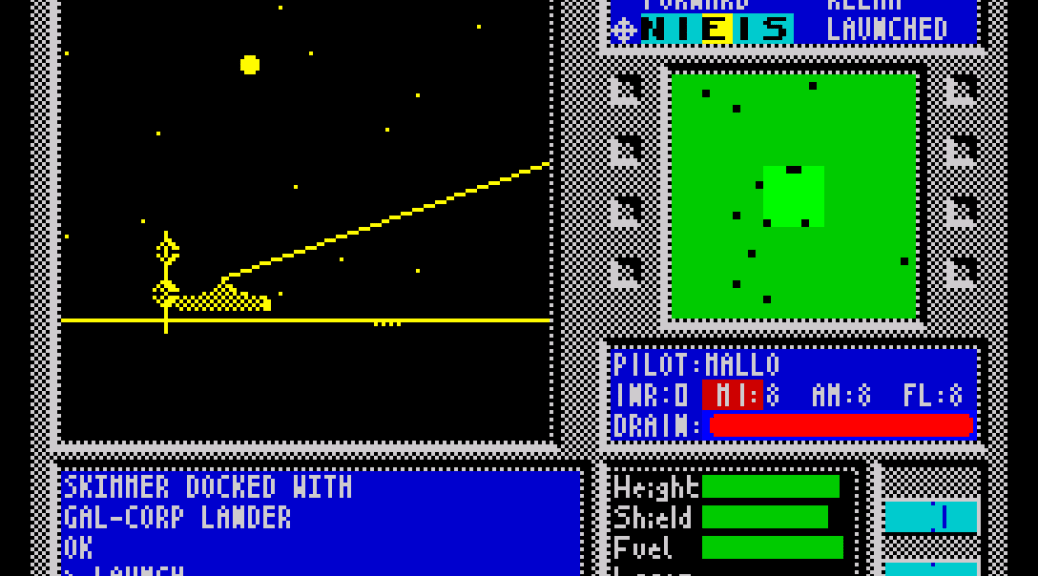
Tau Ceti, ZX Spectrum
Published by CRL Group in 1985, Tau Ceti was programmer Pete Cooke‘s breakthrough game. ‘Breakthrough’ in that it was just completely brilliant and ahead of its time, and ultimately: influential.

Choplifter, Apple II
Dan Gorlin‘s classic 2D action game, Choplifter, originated on the Apple II in 1982, courtesy of Brøderbund.

Chariot Race, VIC-20
A classic, original game on the Commodore VIC-20, Chariot Race is an exhilarating and fun recreation of Roman chariot races, viewed from an overhead perspective.
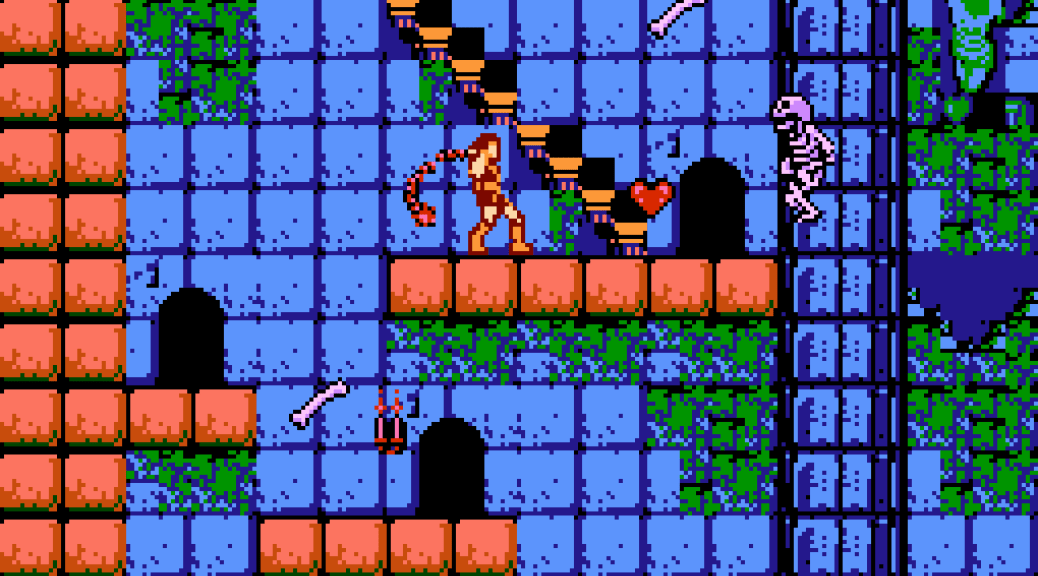
Akumajō Dracula, Famicom Disk System
Released on 26th September 1986 in Japan, Akumajō Dracula (translating as: “Demon Castle Dracula“) was the very first release in the Castlevania series, predating the MSX version of the game by about a month. Konami released it on the Famicom Disk System where it quickly became a hit with Japanese gamers.
It began a long-running series of platform/horror-themed video games and set the template for the Castlevania series as a whole.
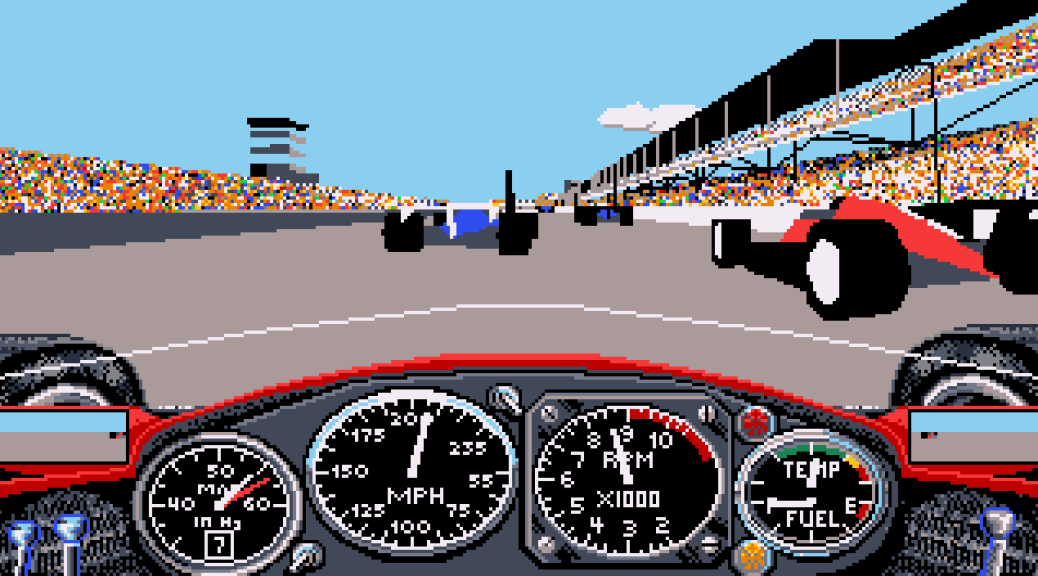
Indianapolis 500: The Simulation, PC
Known affectionately as ‘Indy 500‘, this high octane race game broke new ground when it was first released in 1989.
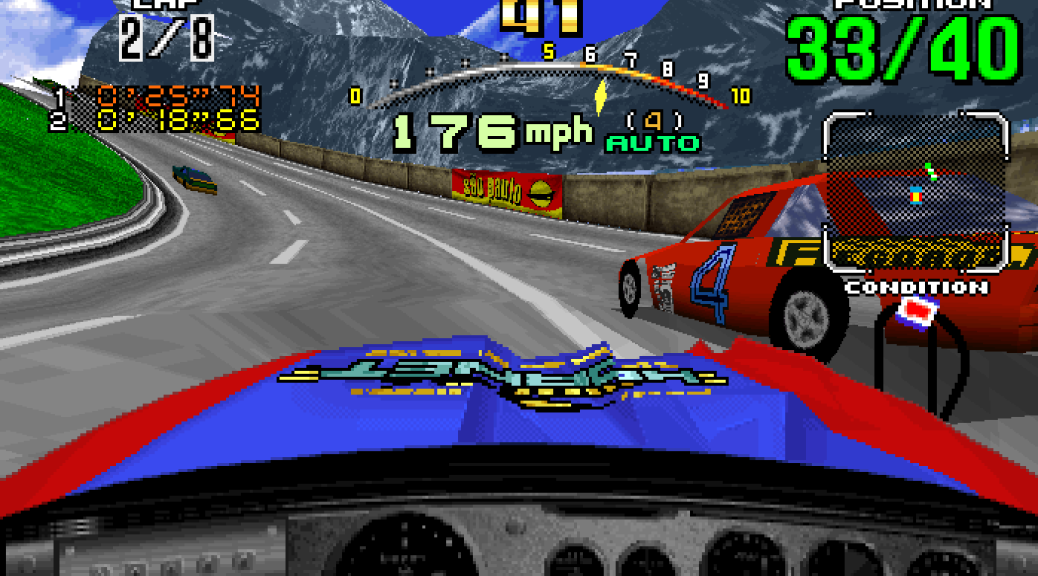
Daytona USA, Sega Saturn
A launch title – and a so-called ‘Killer App’ – for the Sega Saturn in 1995, Daytona USA is a conversion of the famous Sega arcade race game.

Monty On The Run, ZX Spectrum
The original ZX Spectrum version of Monty On The Run is a real improvement over its predecessor, Wanted: Monty Mole.

Q*bert, Arcade
Gottlieb‘s classic arcade game Q*bert was first released in 1982. It delighted gamers with its quirky mix of cube-jumping and ‘painter’-style gameplay.

