
An American TRS-80 release imported to the Dragon 32, Time Bandit is a scrolling maze game with shoot ’em up elements. It was written by Bill Dunlevy and Harry Lafnear and first published by MichTron in 1983. Microdeal published it in the UK.
Tag Archives: maze

Hammerwatch, PC
Hammerwatch is a brilliant single or multi-player fantasy action game with tiny characters fighting off hoards of killer monsters. It features beautiful pixel graphics, atmospheric lighting effects, RPG elements, and seriously challenging gameplay. It was created by Swedish developer Crackshell and first published in 2013. Hammerwatch is available for Windows, Linux, OS X, Nintendo Switch, PlayStation 4, and XBox One.

Gauntlet: The Third Encounter, Atari Lynx
While Gauntlet: The Third Encounter is an admirable effort on the Atari Lynx, it has to be said that it really isn’t Gauntlet. Not the Gauntlet that we know and love anyway…
Which isn’t a surprise when you take into account the fact that this game didn’t start out as Gauntlet – it was called “Time Quests and Treasure Chests” and was developed by Epyx, and was later turned into a Gauntlet game by Atari for “brand recognition purposes”.

Crystal Mines II, Atari Lynx
I would say that Crystal Mines II – an original puzzle game released exclusively for the Atari Lynx in 1992 – is arguably one of the best games on the system.

Toejam & Earl, Megadrive/Genesis
Developed by Johnson Voorsanger Productions for Sega and published on the Megadrive in 1991, Toejam & Earl is a cult collect ’em up starring two alien rappers who have crash-landed on Earth.

Mega Bomberman, Megadrive/Genesis
I have said previously on this blog that no system is complete without a version of Hudson Soft‘s Bomberman, and the Megadrive has one in the form of Mega Bomberman.
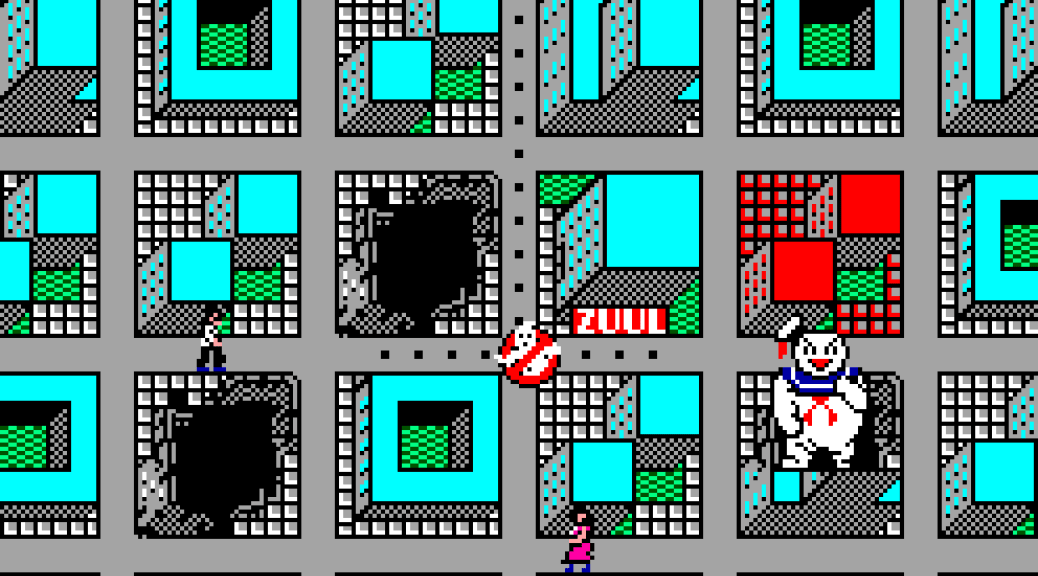
Ghostbusters, Sega Master System
The 1987 Sega Master System conversion of David Crane‘s classic Ghostbusters is… Okay. It’s actually got a few enhancements over other versions that make it a bit more of a challenge, although it does have its down sides.
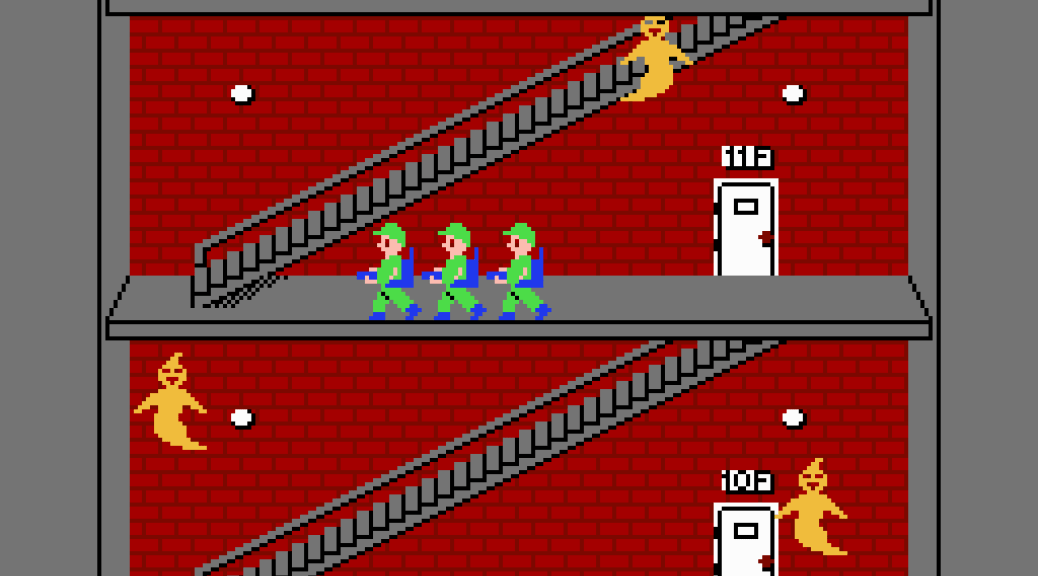
Ghostbusters, NES/Famicom
The Nintendo Entertainment System version of David Crane‘s Ghostbusters is known for being a bit of a mess, compared to all the other versions.
It was initially released in Japan in 1986 and later in North America in 1988. Why the two year delay? Probably something to do with the fact that the game is terrible…
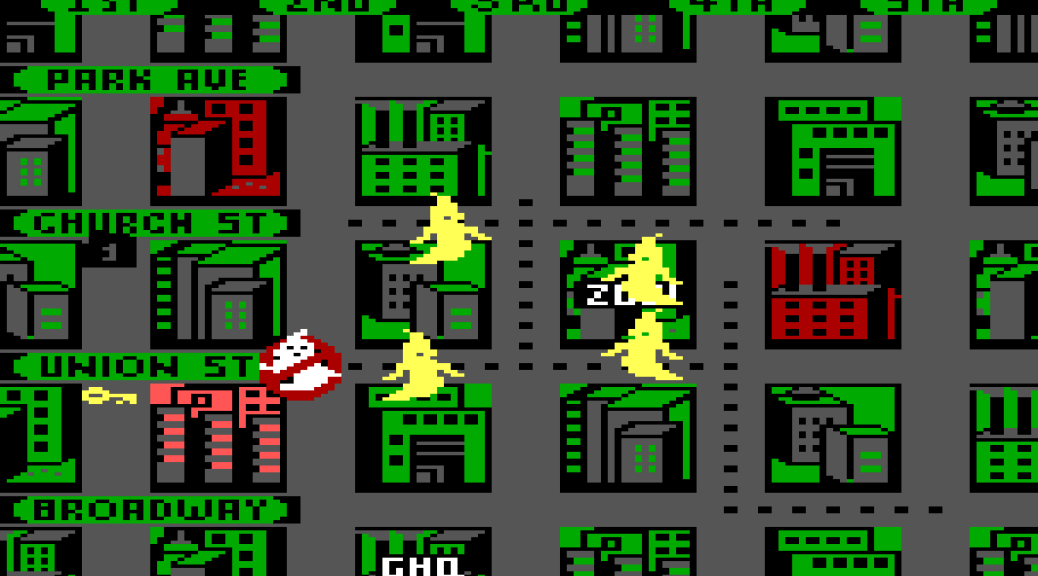
Ghostbusters, PC
This 1986 PC Booter version of Ghostbusters won’t run in MS-DOS, but it is easy enough to get working in DOSBox, by simply adding a “BOOT” line to the config file.
To get the game running in colour (ie. not horrible CGA) I had to use the “pcjr” graphics option and set CPU cycles to 240. Otherwise the game would run too fast.

Ghostbusters, Amstrad CPC
The Amstrad CPC version of Ghostbusters was only ever released in Europe. Alongside the MSX version it was one of only two Ghostbusters conversions that were never released in North America.

