Tag Archives: Gunpei Yokoi

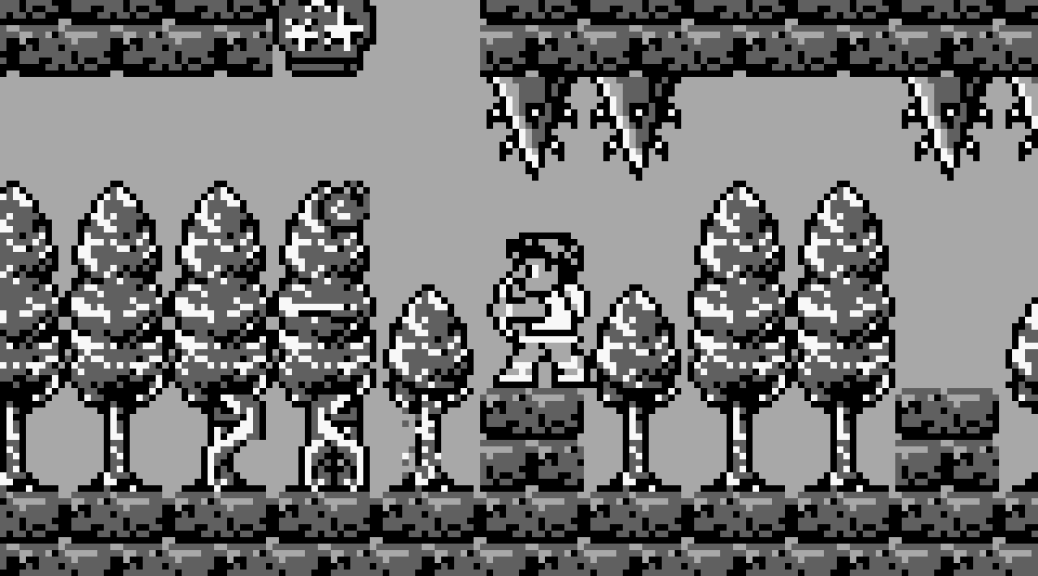
Kid Icarus: Of Myths and Monsters, Game Boy

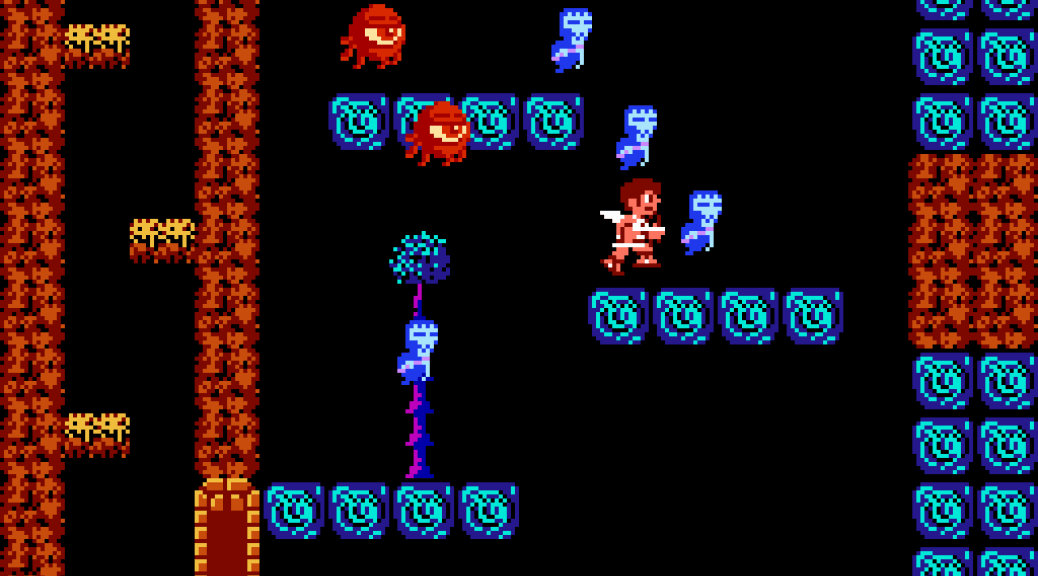
Developed by Nintendo and TOSE Co., Ltd., Kid Icarus: Of Myths and Monsters is the sequel to Kid Icarus – a much-loved game released for the Nintendo Entertainment System in 1986. Of Myths and Monsters was published by Nintendo, exclusively for the original Game Boy, in 1991 in North America, and 1992 in Europe. For some reason, it wasn’t released in Japan, where it was made.

Continue reading Kid Icarus: Of Myths and Monsters, Game Boy
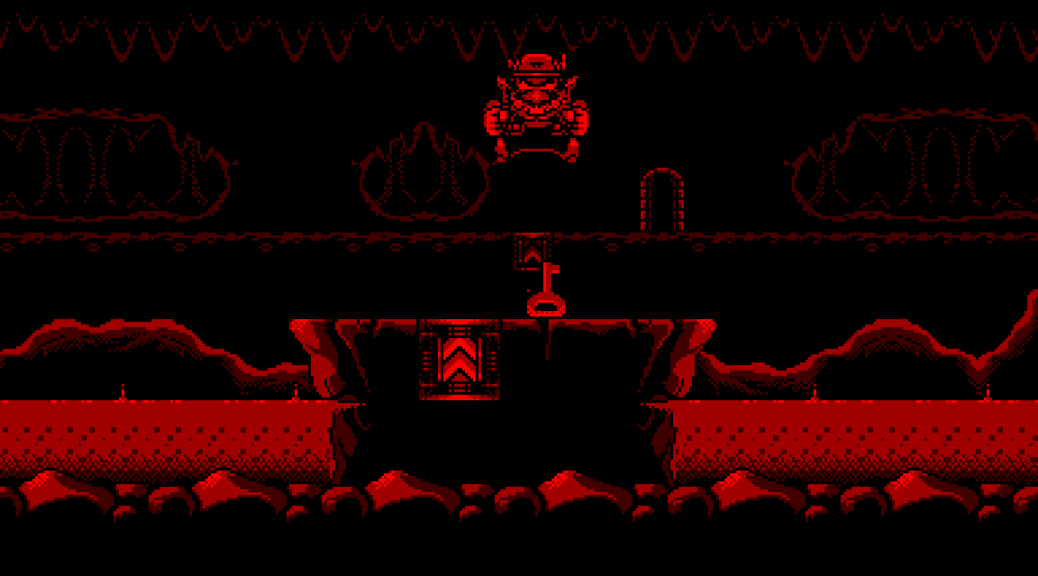
Wario Land, Virtual Boy

Wario Land on the Nintendo Virtual Boy (aka Virtual Boy Wario Land) was developed by Nintendo R&D1 and first released in 1995. It’s a platform game that was designed to utilise the Virtual Boy‘s stereoscopic 3D capabilities, and therefore features objects that swing in and out of the screen, and also allows the player (as Wario) to explore foreground and background areas.

Continue reading Wario Land, Virtual Boy

X, Game Boy

This game – called simply “X” – was a Japan-only release, in 1992, on the original black and white Game Boy, but its conception and development would later have a profound effect on Nintendo‘s confidence in producing 3D-based games.

X was created by British developer Argonaut Software (specifically, by Dylan Cuthbert, who was later infamously ‘poached’ by Nintendo from Argonaut), and was a demonstration of their ability to produce 3D-based games on home video game systems. This impressed Nintendo, who then tasked Argonaut with creating a new 3D game on their Super Nintendo console, which eventually became the classic Star Fox. And the rest is history… Sort of.

Continue reading X, Game Boy

Kid Icarus, NES/Famicom

Developed by Nintendo R&D1 (with assistance from Tose Co. Ltd.), and first released for the Famicom Disk System by Nintendo in 1986, Kid Icarus is a cult classic scrolling platform game that is known for its high level of difficulty. The original Japanese title for the game is “Hikari Shinwa: Palthena no Kagami“. An NES cartridge version, with a different ending, an English language title screen and staff credits, was released in 1987.

Continue reading Kid Icarus, NES/Famicom

Donkey Kong 3, Arcade

Donkey Kong 3 is a platform shooter released into arcades by Nintendo in 1983. As a sequel to one of the greatest video games of all-time [Donkey Kong] it is a relatively obscure instalment in the series and doesn’t get talked about, or played, much now. Probably because it’s not that great.

Continue reading Donkey Kong 3, Arcade

Mario Bros., Arcade

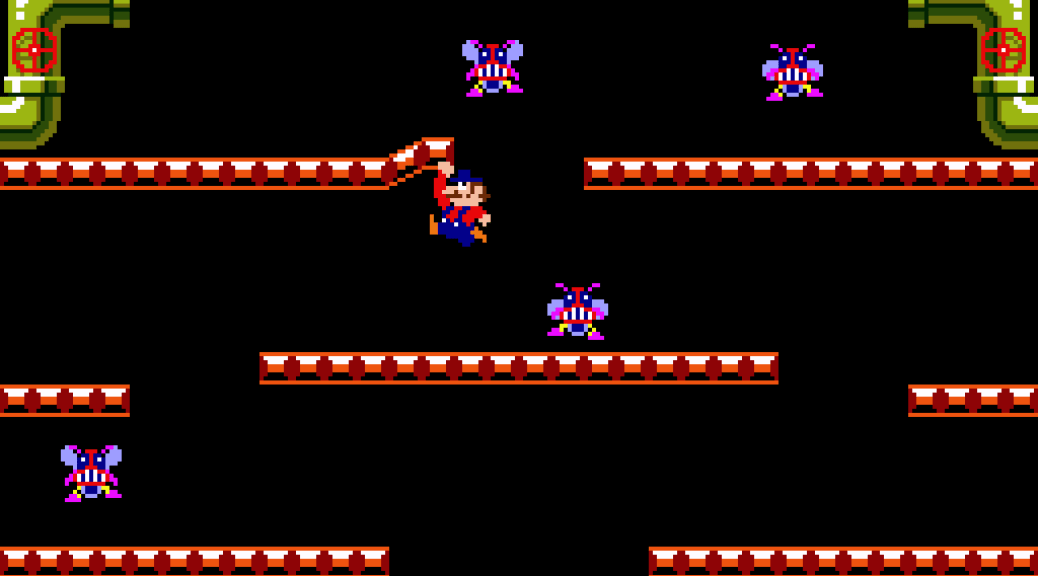
Released into arcades by Nintendo in 1983, Mario Bros. is a one or two-player platform game featuring Mario and Luigi as the main characters. Incidentally, this was the first time Luigi ever appeared in a video game.

Mario Bros. was designed by Shigeru Miyamoto and Gunpei Yokoi – two of the lead creators of Donkey Kong, of which this game is a follow-up.

Continue reading Mario Bros., Arcade

Super Mario Land 2: 6 Golden Coins, Game Boy

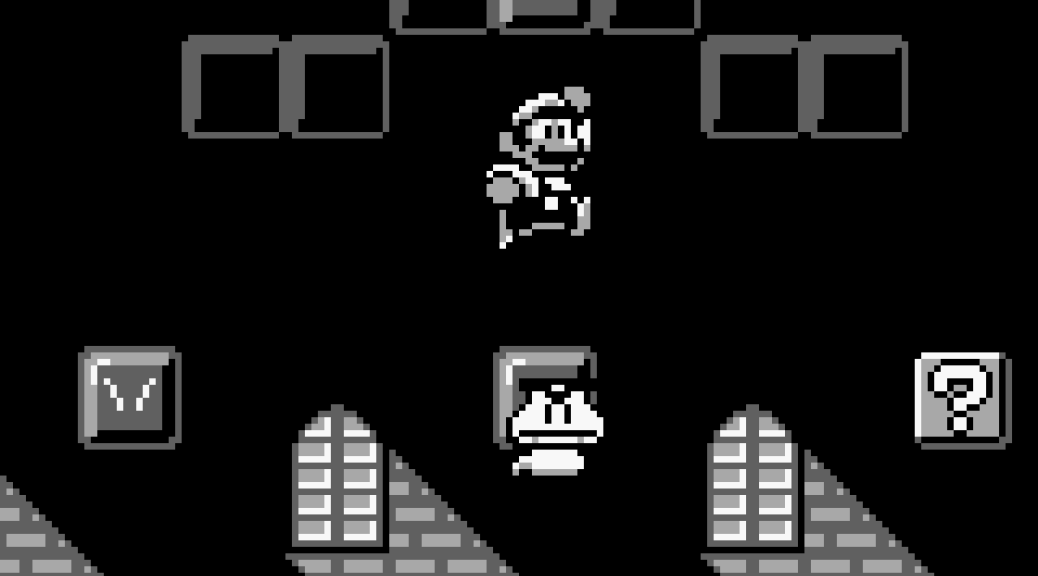
There have been quite a lot of excellent 2D Mario games over history, which makes the Game Boy Super Mario Land series easy to overlook. All three Super Mario Land games, however, are stunning and unique ‘best-in-class’ examples of what the Game Boy is actually capable of – ie. shifting lots of sprites around the screen, smooth scrolling, great sounds and perfectly responsive controls.

Continue reading Super Mario Land 2: 6 Golden Coins, Game Boy

Super Metroid, Super Nintendo

The third game in the Metroid series is a top class Super Nintendo classic.

Super Metroid (1994) is more detailed than both previous Metroid games put together, although the basic structure is the same – explore various levels to find your latent abilities, all of which have been lost (“Why does this keep happening in Metroid games?” you may ask. “It’s in the script,” is my answer).

Continue reading Super Metroid, Super Nintendo

Metroid II: Return of Samus, Game Boy

The second ever Metroid game first appeared on the Nintendo Game Boy in 1991.

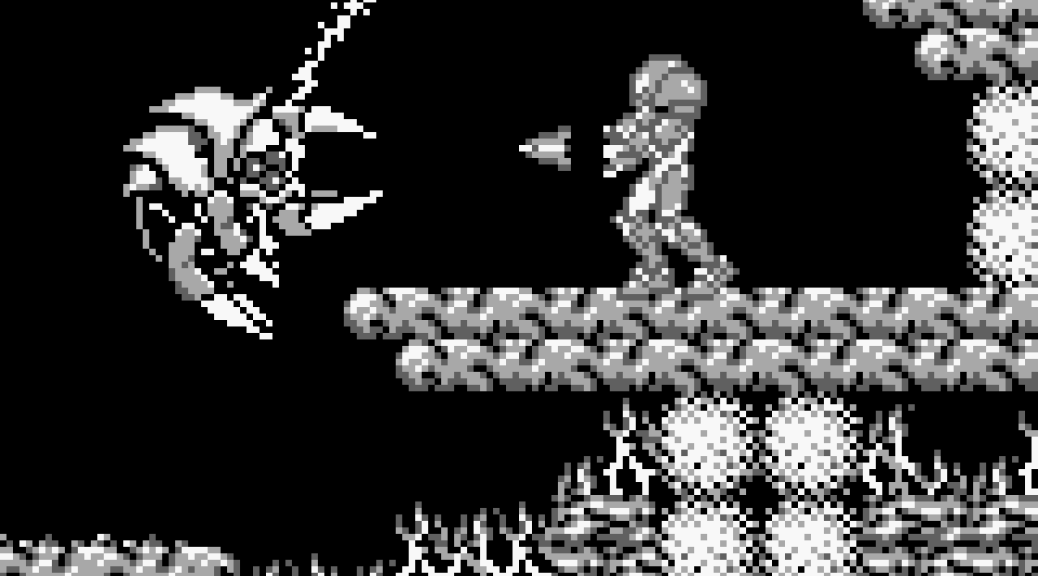
Metroid II: Return of Samus is a brilliant continuation of the first Metroid game. The animation of lead character Samus is much more gritty and realistic in this game, compared to the NES original. And the monochromatic graphics actually seem to add to the eerie atmosphere, rather than hamper the game at all.

Continue reading Metroid II: Return of Samus, Game Boy

Metroid, NES

This first Metroid, for the Nintendo Entertainment System, was initially released in 1986 and remains the toughest episode in the whole series to date.

Continue reading Metroid, NES