
Pengy is a clone of the arcade game Pengo (by Sega) and – to be honest – it is not a very good one.

Fire and Ice, Atari ST
Fire and Ice is a platform game designed and programmed by Graftgold in 1992. It features a ‘cool’ coyote traversing a range of themed platform worlds, starting off in icy worlds and moving towards warmer ones nearer the equator.

Armalyte, Atari ST
Armalyte is a 1991 conversion of the classic Commodore 64 shooter by Cyberdyne Systems. Actually, it’s not really a conversion – more of a ‘re-imagining‘. More accurately: a ruining…

Highway Encounter, Atari ST
This 1990 Atari ST conversion of the ZX Spectrum classic Highway Encounter I don’t think was ever commercially released, even though it was co-created by Costa Panayi, the guy who made the original.
Costa created some wonderful games for the Spectrum, and Highway Encounter was one of them. And it has been brilliantly converted to the ST (by Mark Haigh-Hutchinson, with graphics by Costa). This is no farmed-out-to-a-third-party hack job. This is the real thing.

Thrust, Atari ST
Thrust is a conversion of the late Jeremy Smith‘s classic BBC/Commodore 64 gravity game, and it is a very good one.

Mighty Bomb Jack, Atari ST
This great little platform game is actually a conversion of a Nintendo Entertainment System game, created by Tecmo in 1986. Elite Systems developed and published the Atari ST version of Mighty Bomb Jack in 1990. It is of course a sequel to the classic arcade game Bomb Jack.
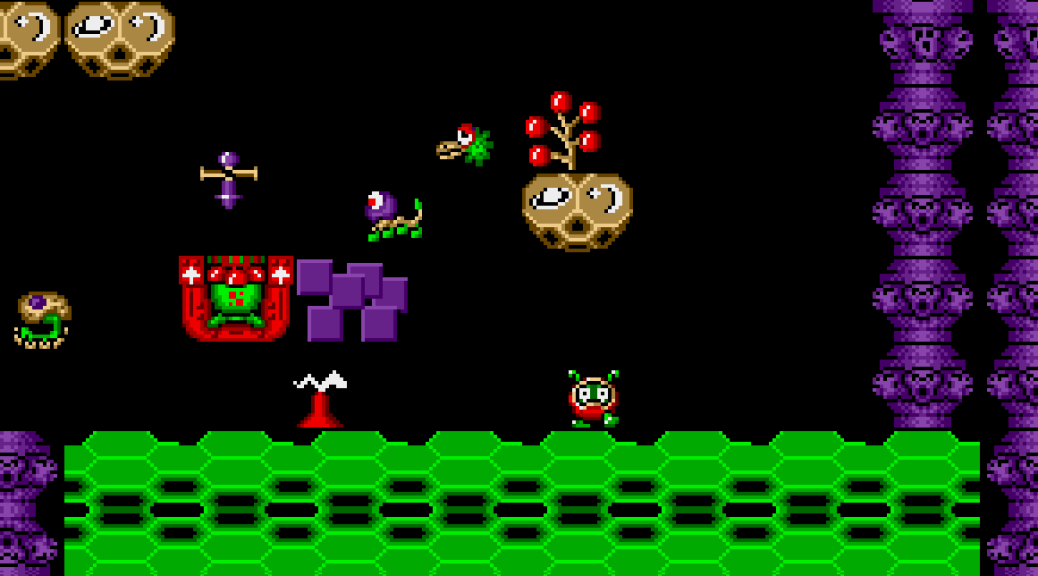
Starquake, Atari ST
Steve Crow‘s classic 1985 ZX Spectrum game Starquake was given an Atari ST makeover in 1988, courtesy of Mandarin Software.

Rainbow Islands, Atari ST
Thanks to British developer Graftgold the Atari ST has an almost perfect conversion of Taito‘s arcade classic, Rainbow Islands. To all intents and purposes the ST version of Rainbow Islands is identical to the arcade original. Well, kind of…
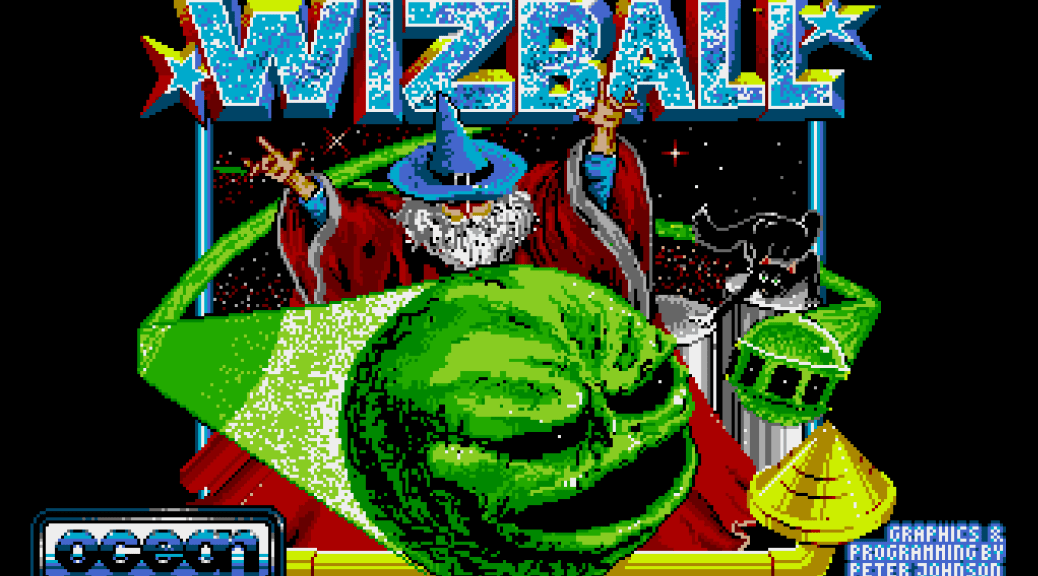
Wizball, Atari ST
Wizball is a really easy game to play. You just have to know how to play it…
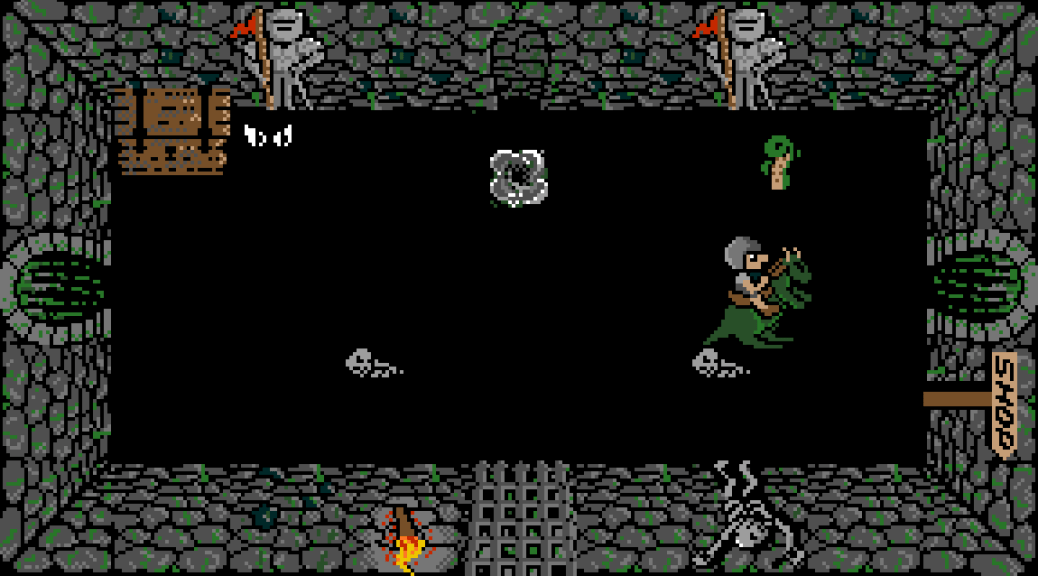
Creepy, Atari ST
Creepy is a ‘tribute’ (read: clone, or unofficial conversion) of Ultimate Play The Game‘s famous ZX Spectrum game, Atic Atac.
 The King of Grabs