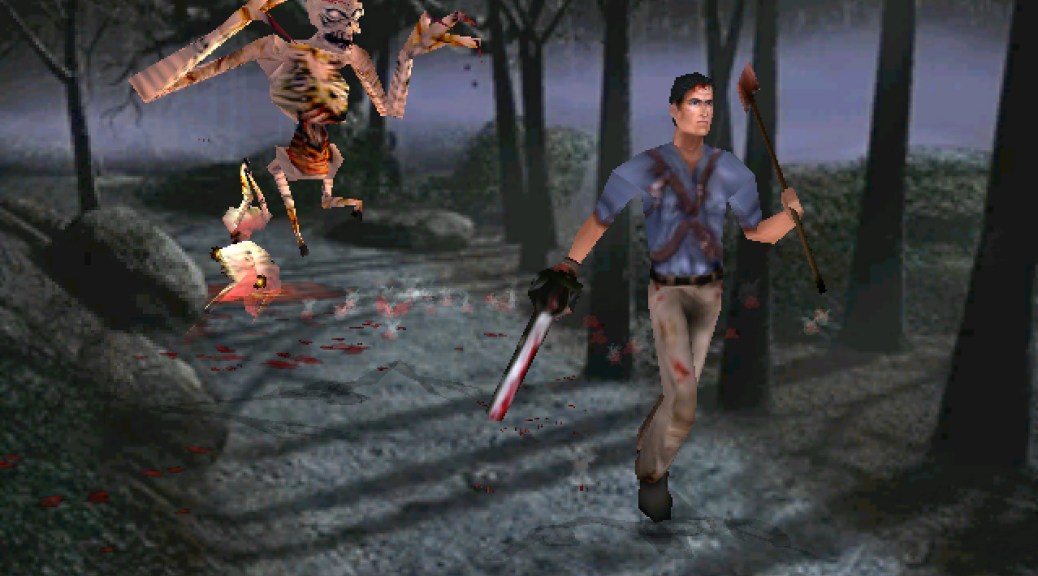
Evil Dead: Hail to the King was developed by Heavy Iron Studios and published by THQ in 2000. It is a survival horror game based on Sam Raimi‘s classic cabin-in-the-woods horror film, and – to be honest – it’s pretty bad. Which is a pity because I’m a big horror film fan (have been since I was a teenager), and this game should be right down my street.
Tag Archives: chainsaws
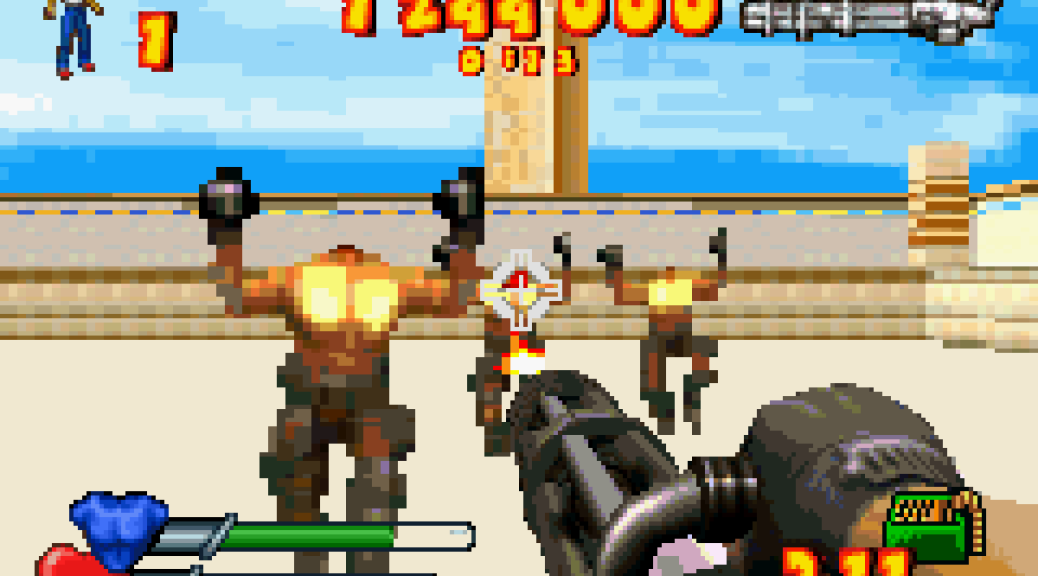
Serious Sam Advance, Game Boy Advance
Serious Sam Advance is a handheld version of Croteam‘s infamous first-person shooter, Serious Sam: The First Encounter. It was developed by Climax Entertainment and published by Global Star (a subsidiary of Take-Two Interactive) in 2004.

Splatterhouse, FM Towns
The FM Towns version of the controversial Namco arcade game, Splatterhouse, was developed and published by Ving – in Japan only – in 1992. It doesn’t suffer from any of the censorship, that some versions of the game do, and is a completely uncut and almost perfect port of the arcade original.
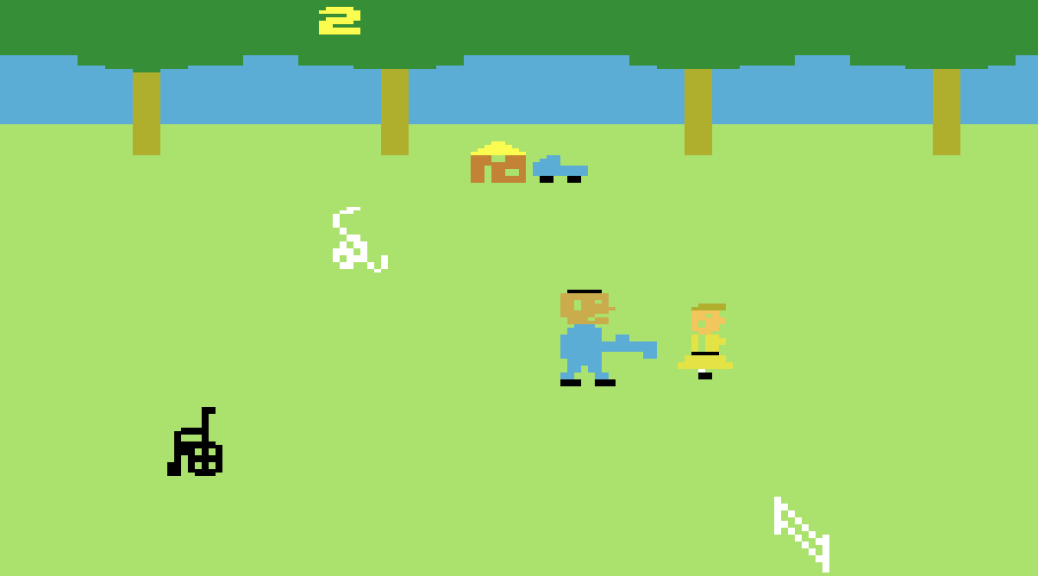
The Texas Chain Saw Massacre, Atari 2600
Developed by VSS, Inc. (of Texas), and published by Wizard Video Games in 1983, the Atari 2600 version of The Texas Chain Saw Massacre* is a travesty of a video game, and a perfect example of the kind of careless rubbish being released to market that triggered the North American video game market crash of the mid-Eighties.
*= The correct title of Tobe Hooper‘s classic 1973 film is “The Texas Chain Saw Massacre” (note the words “Chain” and “Saw” are separate), and NOT “The Texas Chainsaw Massacre“. Wizard Video Games got the title wrong, so I’m sticking with the correct title for the film, rather than bastardising it incorrectly, like they did.

Doom, 3DO
The beleaguered 3DO port of id Software‘s classic Doom is often referred to as “the worst port of Doom” by fans of the game, but it’s actually not a bad conversion at all. Yes: it is relatively slow, compared to other Doom ports, and yes: the game runs in a reduced-size window, but it still plays pretty well and does have its plus points.

Doom, Sega Saturn
The Sega Saturn port of Doom was developed by Rage Software and distributed by GT Interactive in 1997. Like the PlayStation version (on which this port is based) it contains both Ultimate Doom and Doom II, but is a little disappointing in terms of performance and presentation.

Doom, Sega 32X
The Sega 32X port of id Software‘s Doom was developed and published by Sega of America in 1994. While the game doesn’t run in a full window (there’s a permanent border around the screen, probably to keep the frame rate up, which is unfortunate), it is an otherwise very good conversion, with smooth movement and decent controls.

Doom II, Game Boy Advance
The Game Boy Advance port of id Software‘s classic first-person shooter sequel, Doom II, was developed by Torus Games and first published by Activision in 2002. Unlike the first Doom on the GBA this port doesn’t use the original Doom engine, but instead uses the Southpaw Engine, that was designed for native use on the GBA and has been used in a number of other games. Torus Games had to therefore recreate all the levels from scratch for this port, and I have to say that they did a great job.

Doom, Game Boy Advance
The Game Boy Advance version of Doom was developed by David A. Palmer Productions and published by Activision in 2001. It is a playable and enjoyable version of id Software‘s shooter classic on Nintendo‘s capable handheld.

Doom, Atari Jaguar
The Atari Jaguar conversion of id Software‘s classic Doom is actually pretty good. It’s a lot better than the Super Nintendo port, which should be expected. It was first released in November 1994 by Atari Corporation. id‘s John Carmack programmed the bulk of the engine, with Dave Taylor handling multiplayer code, and with Atari‘s help on the production and testing side of things.
 The King of Grabs