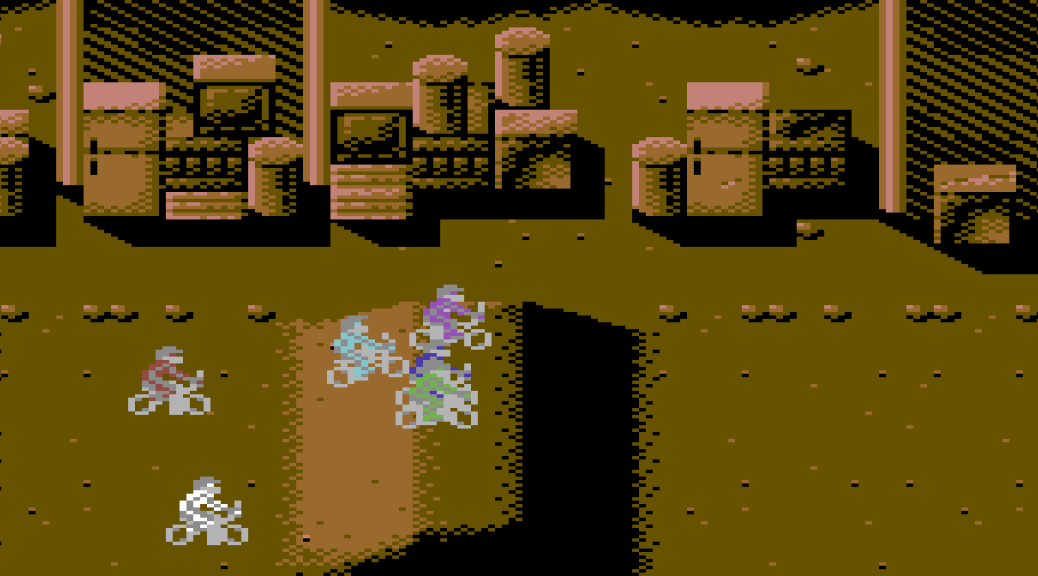
Firebird Software released BMX Kidz for the Commodore 64 in 1987.
Tag Archives: Non-violent

Unirally, Super Nintendo
DMA Design‘s excellent Unirally was re-named as the more boring “Uniracers” for North American audiences, although I’m sticking to Unirally as my preferred title for this website.
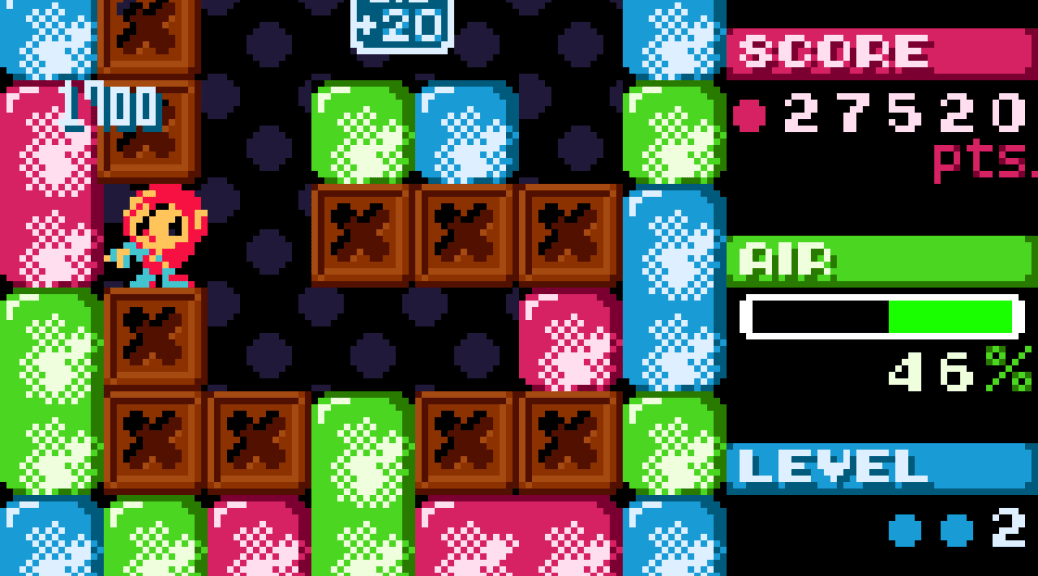
Mr. Driller, Game Boy Color
Mr. Driller on the Game Boy Color is just as good as its parent, with colourful, cute graphics, jolly tunes, and vertical digging action.

Crash Bandicoot: The Wrath of Cortex, XBox
The first Crash Bandicoot game that wasn’t a PlayStation exclusive, The Wrath of Cortex is a fun platformer with varied gameplay modes, including flying, rolling balls, driving, swimming, submarines – and more.

Flunky, ZX Spectrum
This 1987 release from Piranha Games is the fifth of the ‘big sprite’ games from renowned ZX Spectrum programmer Don Priestley.

Alex Kidd in Miracle World, Sega Master System
My personal favourite of the Alex Kidd Sega Master System games – Miracle World was first released in 1986.
Continue reading Alex Kidd in Miracle World, Sega Master System
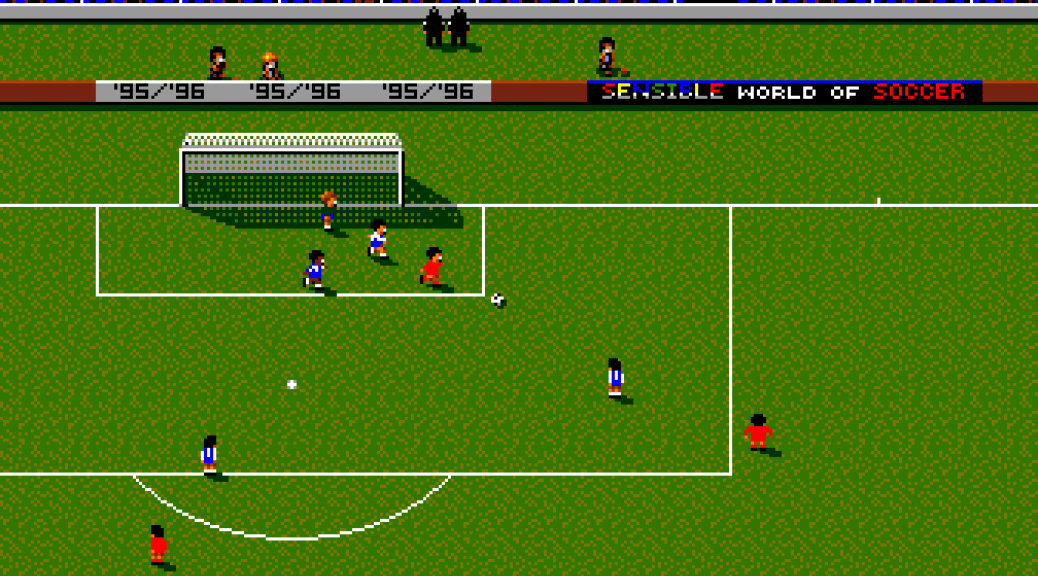
Sensible World of Soccer, Amiga
Arguably the best version of Sensible Soccer, on any system. It has international and domestic teams, leagues, cups, friendlies, career mode, specials, and more. The level of detail is quite remarkable.

Kikstart 2, Commodore 64
Shaun Southern‘s Kikstart 2 is a brilliant and challenging split-screen, side-scrolling motorcycle trials game for the Commodore 64 that was first released in 1987.

Chew Man Fu, PC Engine
Known as “Be Ball” in its native Japan, Chew Man Fu is an excellent arcade-style puzzle game where the gameplay involves pushing and pulling coloured balls around a maze.
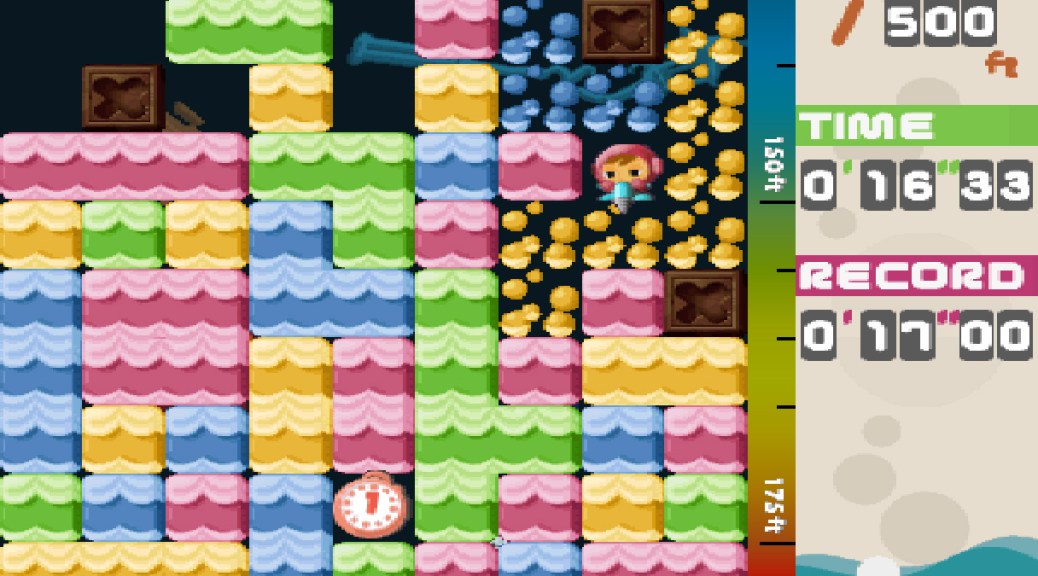
Mr. Driller, PlayStation
Namco‘s Mr. Driller first appeared in arcades in 1999, and this PlayStation version (pretty much the arcade version, plus a bunch of extras) came out in 2000.

