POD: Proof Of Destruction is another decent bullet hell shooter on the C16, and another game designed and programmed by the prolific Shaun Southern.
Continue reading POD: Proof of Destruction, Commodore 16/Plus4
POD: Proof Of Destruction is another decent bullet hell shooter on the C16, and another game designed and programmed by the prolific Shaun Southern.
Continue reading POD: Proof of Destruction, Commodore 16/Plus4
Shaun Southern‘s Trailblazer – I’m reliably informed – originated on the Commodore 16; not the Commodore 64 (on which it is probably better-known).
Pikmin was released for the Nintendo GameCube in 2001 and was an instant hit with gamers.
Designed and produced by Shigeru Miyamoto, the first game in the Pikmin series introduces Captain Oilmar, an alien who crash lands on a mysterious planet and where he befriends small creatures called Pikmin who help him rebuild his ship.
Konami‘s 1992 conversion of the smash arcade hit Track & Field features more events than the original. In fact, it’s something of a mashup of Track & Field and its famous follow-up Hyper Sports.
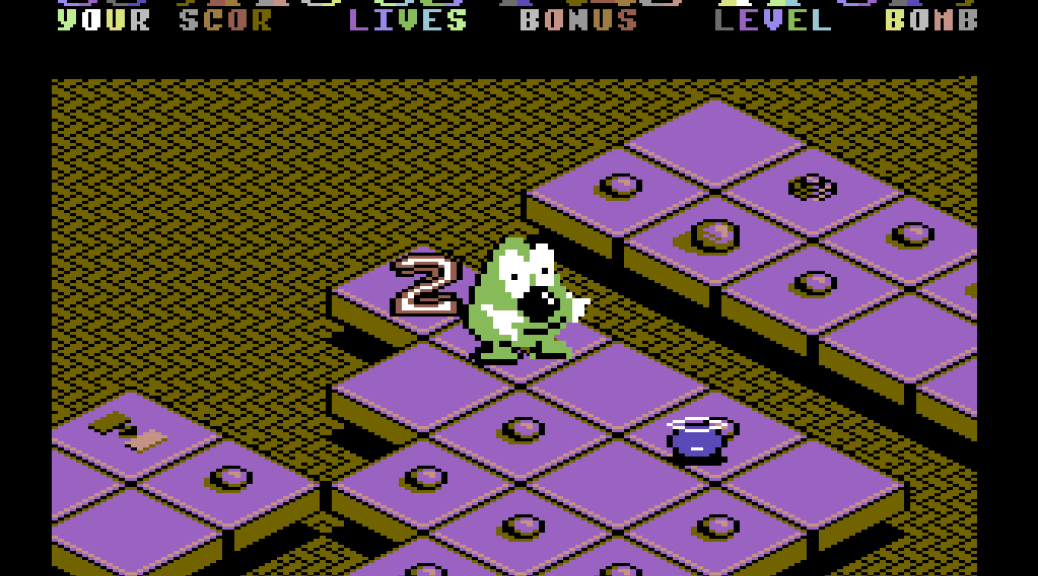
Trailblazer is a well-regarded, ball-based racing game written and designed by the prolific Shaun Southern of Mr. Chip Software and published by Gremlin Graphics in 1986.
Trailblazer did apparently originate on the Commodore 16 and was expanded to take advantage of the Commodore 64‘s extra memory, and the result is a suped-up version of the original game.
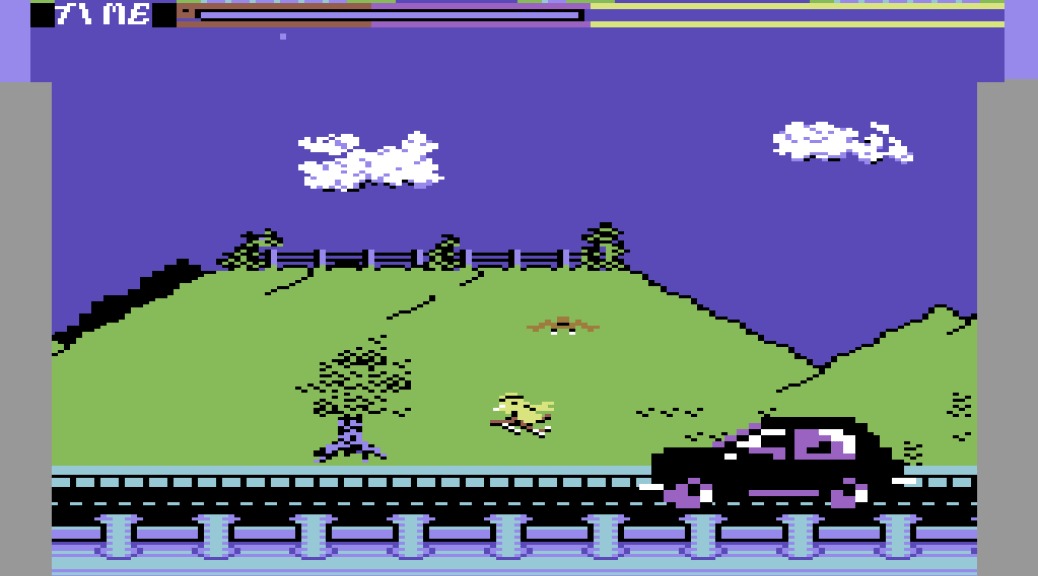
Less successful than its sequel (and arguably less enjoyable too), Kikstart was written by Shaun Southern and published by Mastertonic in 1985.
Developed by an American satellite studio of Sega and published for the Megadrive/Genesis in 1995, Comix Zone is a unique and interesting single-player beat ’em up in which battles are fought inside the pages of a comic.
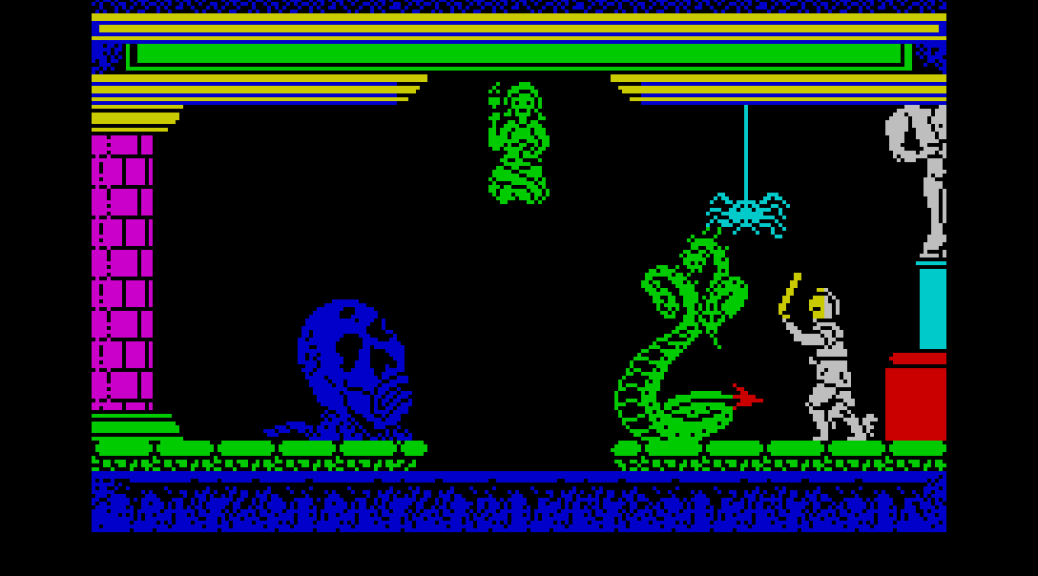
Gift From The Gods is a mythology-based maze game – with impressively-animated, large figures – that was only ever released for the ZX Spectrum. Its origins lie in the infamous cancelled Imagine Software game, Bandersnatch.
By the time Mega Man reached the Sony PlayStation in 1996 he’d undergone another make-over. This one mostly aesthetic – Capcom going for a different look and feel to the SNES games, and – it has to be said – not looking nearly as good.
The last of three Mega Man X games on the Super Nintendo, Mega Man X3 was published in 1995 by Capcom.