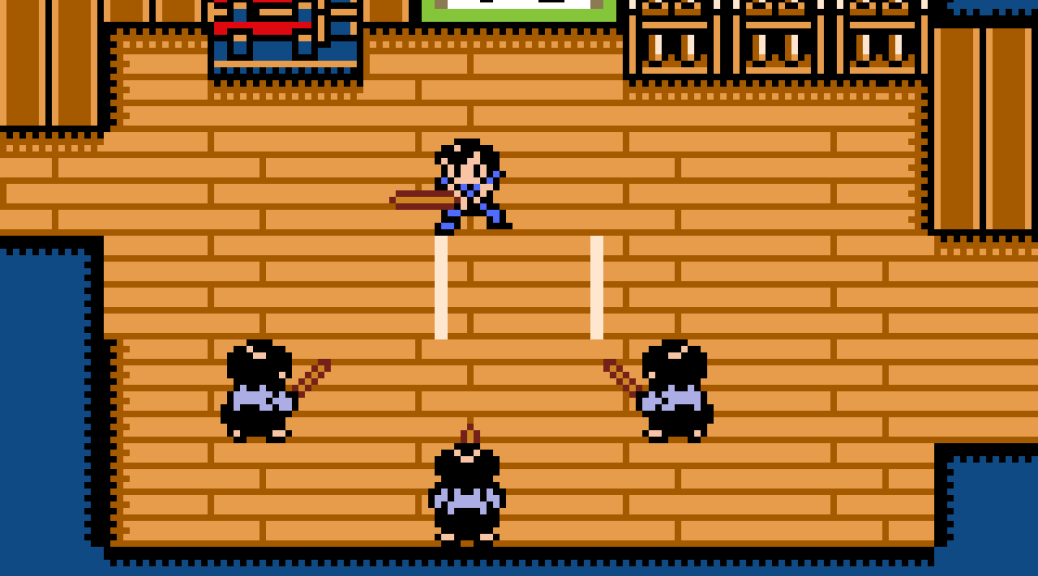
Not the infamous Ion Storm first-person failure (also known as John Romero’s Daikatana), but a Japanese, Zelda-style implementation of the Daikatana franchise on the Game Boy Color, first released in 2000.
And it is surprisingly good too!
Not the infamous Ion Storm first-person failure (also known as John Romero’s Daikatana), but a Japanese, Zelda-style implementation of the Daikatana franchise on the Game Boy Color, first released in 2000.
And it is surprisingly good too!
Games-players will always argue among themselves about which is the greatest “retro” Mario game of all time.
For me it is a toss-up between Super Mario Sunshine (2002) and Super Mario World (1990) on the SNES.
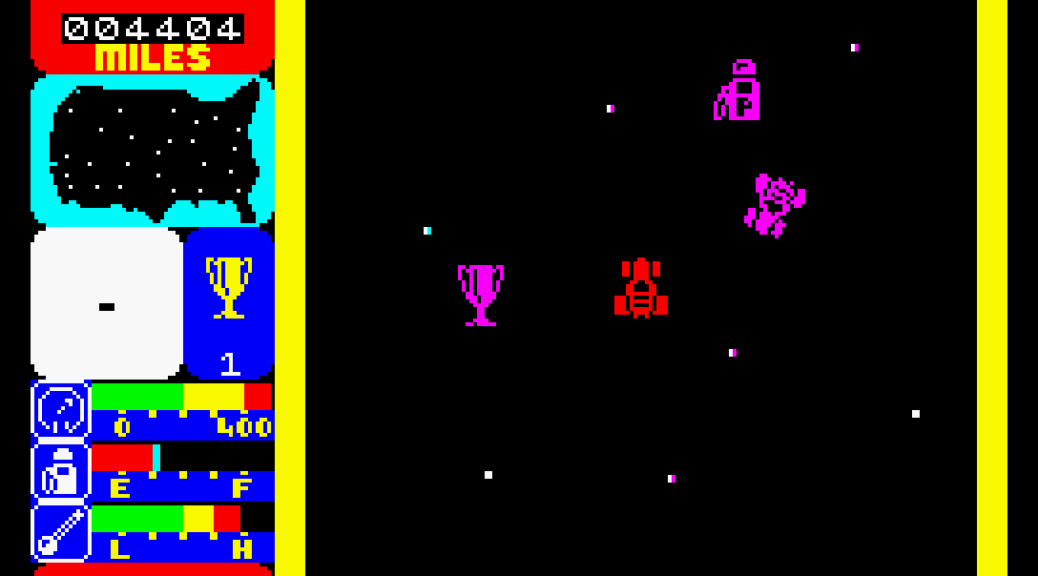
Set in a post-apocalypse USA (in the year 3472, no less), Tranz Am is an overhead racing game where the aim is to collect eight cups (The Great Cups of Ultimate), which have been randomly dispersed around the continent.
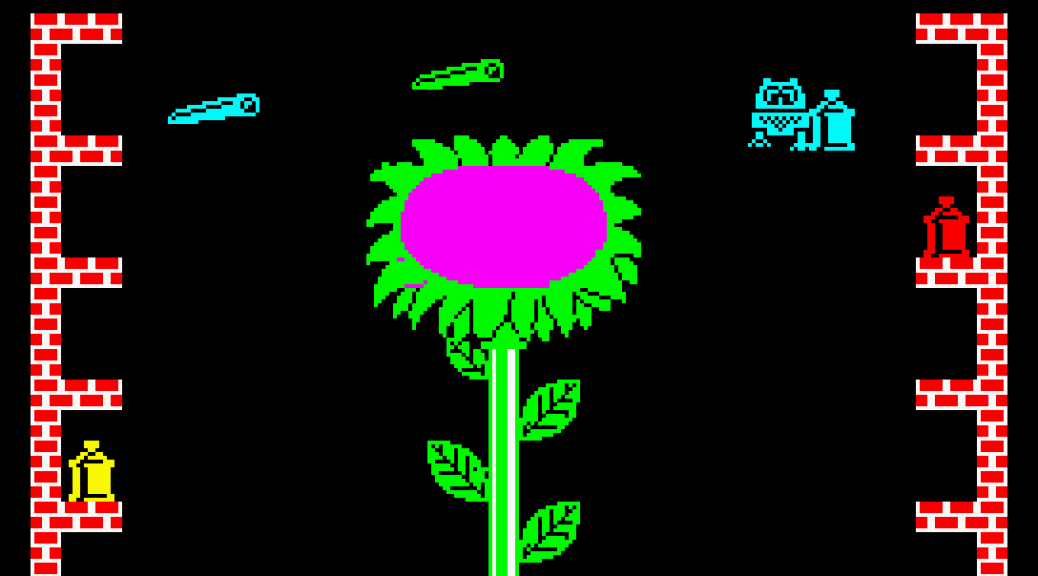
Featuring a cute robot (called Robbie) whose job it is to keep the insects away from the plants.
Another of Ultimate‘s early ZX Spectrum classics, Cookie – from 1983 – is a simple arcade-style action game where you are a little chef sprite shooting bags of flour at ingredients to knock them into a mixing bowl.
Relatively obscure follow-up to Sensible Soccer and Cannon Fodder.
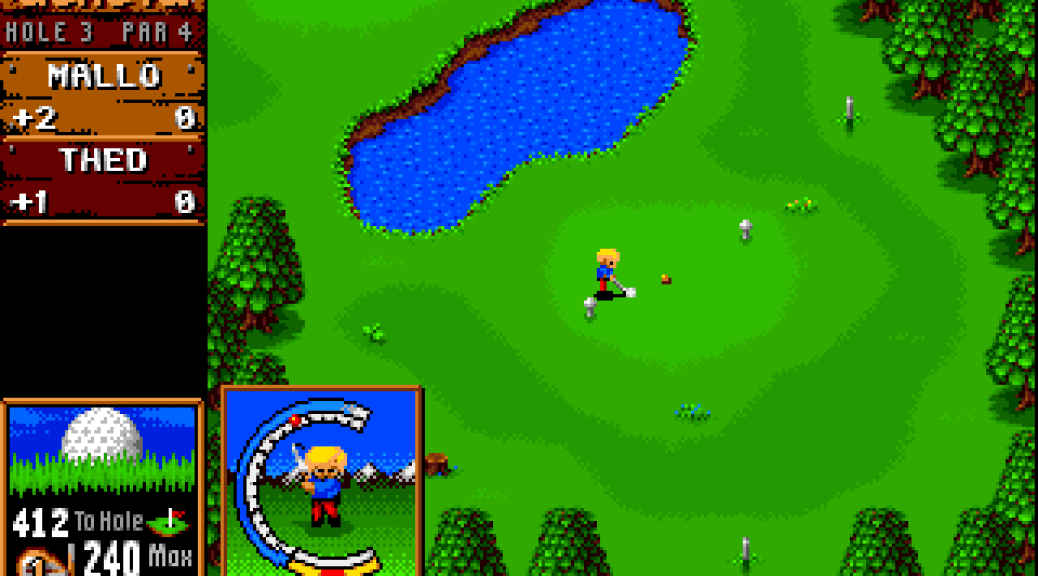
Sensible Golf was first released in 1994 for the PC and Amiga, and didn’t really make much of an impact on the market, although it’s not a bad game at all.
A 1983 Spanish cult hit from Paco & Paco (aka Indescomp), Bugaboo is a simple platform game were you have to jump from ledge to ledge, to reach the hole at the top of the cave, and freedom.
Chuckie Egg 2 is to Chuckie Egg what Jet Set Willy is to Manic Miner – it’s a platform game adventure with screens that can be re-visited, and routes that can be planned and executed, with some deft mapping and jumping.
DK’Tronics‘ 1985 release Popeye is notable for its use of large, colourful animated character graphics, the likes of which had not been seen before. At least not at the time of release on the humble ZX Spectrum.
Ranarama, by Steve Turner of Graftgold, originated on the ZX Spectrum in 1987, and was later converted to the Atari ST, Amiga and Amstrad CPC.




 The King of Grabs