
Released into arcades by Taito in 1990, Space Gun is a first-person sci-fi horror shooter set on a crippled spaceship that has been overrun by killer aliens. It can be played by one or two players.
Tag Archives: Boss Battles

X-Men: Children of the Atom, Arcade
X-Men: Children of the Atom is the first in a series of fighting games from Capcom, based on characters from Marvel Comics. It follows the same conventions, and uses the same controls, as the Street Fighter II series and first came out in arcades in 1994 (1995 in North America and Europe).

Fantasy Zone II: The Tears of Opa-Opa, Sega Master System
Fantasy Zone II: The Tears of Opa-Opa is the sequel to the classic 1986 Sega arcade game, Fantasy Zone. Rather unusually, it came out first on the Master System, before later being released as an arcade game. Usually the opposite occurs, but in this case the Master System version was released in 1987 and the arcade version came out in 1988.
Continue reading Fantasy Zone II: The Tears of Opa-Opa, Sega Master System

Castlevania Legends, Game Boy
Castlevania Legends is the third Castlevania game for the original Game Boy, first released by Konami in 1997. The story follows Sonia Belmont, a vampire hunter battling the first incarnation of Count Dracula.

Castlevania: The Adventure, Game Boy Color
This colour remake of Castlevania: The Adventure was released in European territories only in the year 2000, as part of the Konami GB Collection Volume 1.

Castlevania: The Adventure, Game Boy
Castlevania: The Adventure was the first game in the Castlevania series to be released for the original Game Boy. It was published by Konami in 1989.
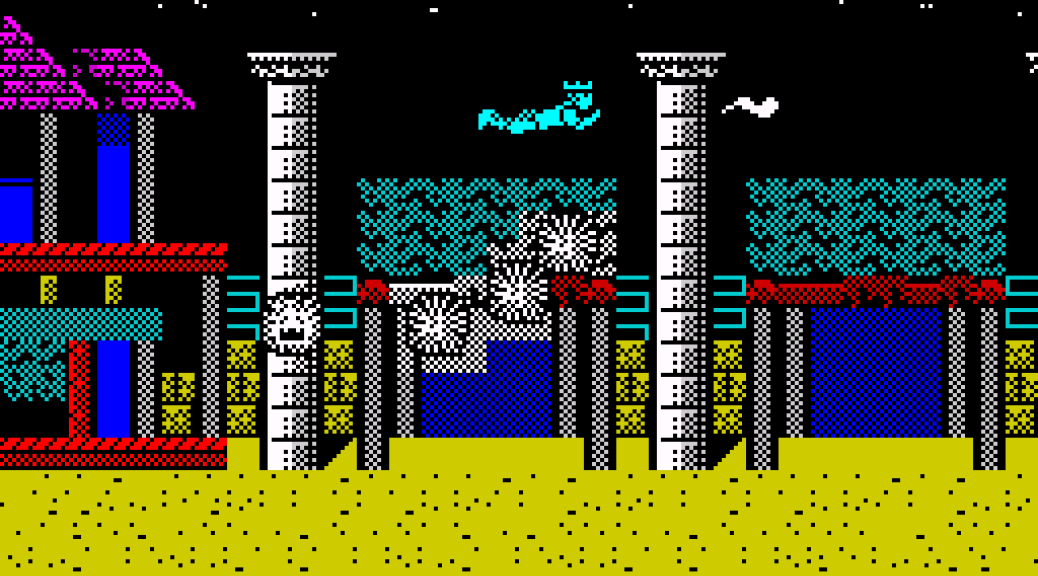
Super Dragon Slayer, ZX Spectrum
Converted by John F. Cain, from an original Commodore 64 game by John Ferrari, Super Dragon Slayer is a platform shooter featuring an agile magician who must jump, climb and shoot his way – left to right – through four large, scrolling levels. It was first published for the ZX Spectrum by Codemasters in 1989.
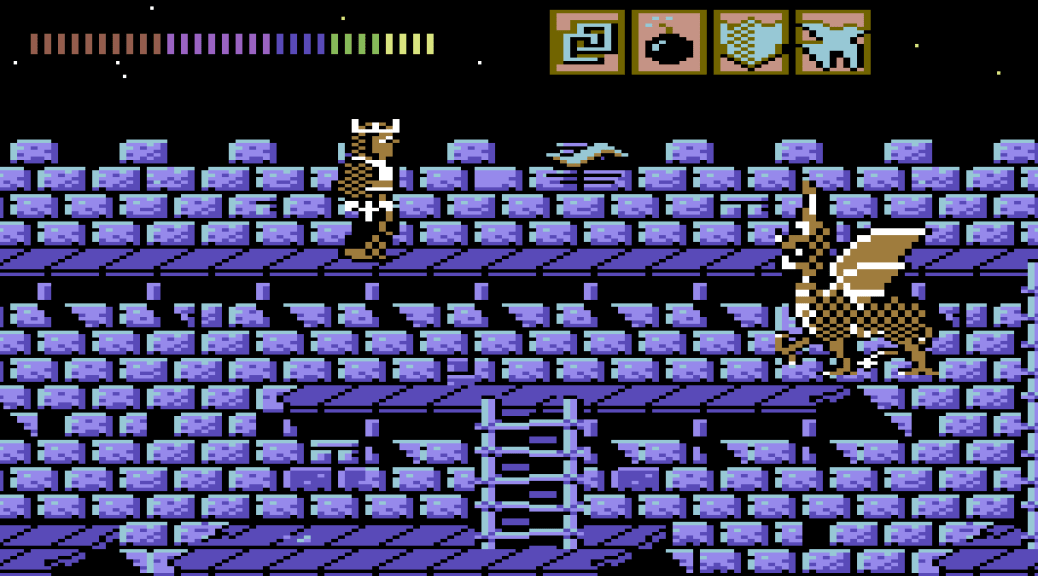
Super Dragon Slayer, Commodore 64
Designed and programmed by John Ferrari, with music by Barry Leitch, Super Dragon Slayer is a platform shooter first published for the Commodore 64 by Codemasters in 1988. In many ways this game reminds me of the early days of C64 software, with unforgiving gameplay and instant death if you put a foot wrong. That said, this is still a pretty good game. Just a very difficult one.

Pu-Li-Ru-La, Arcade
I don’t really know if Taito‘s 1991 arcade game, Pu-Li-Ru-La, is obscure, or if it’s a ‘cult game’, or if it’s based on an existing anime or not, because I’d never even heard of it until recently. It’s a cartoony, one or simultaneous two-player beat ’em up featuring a boy and a girl who are given magical sticks to fight enemies in order to restore the flow of time in a place called “Radishland“…
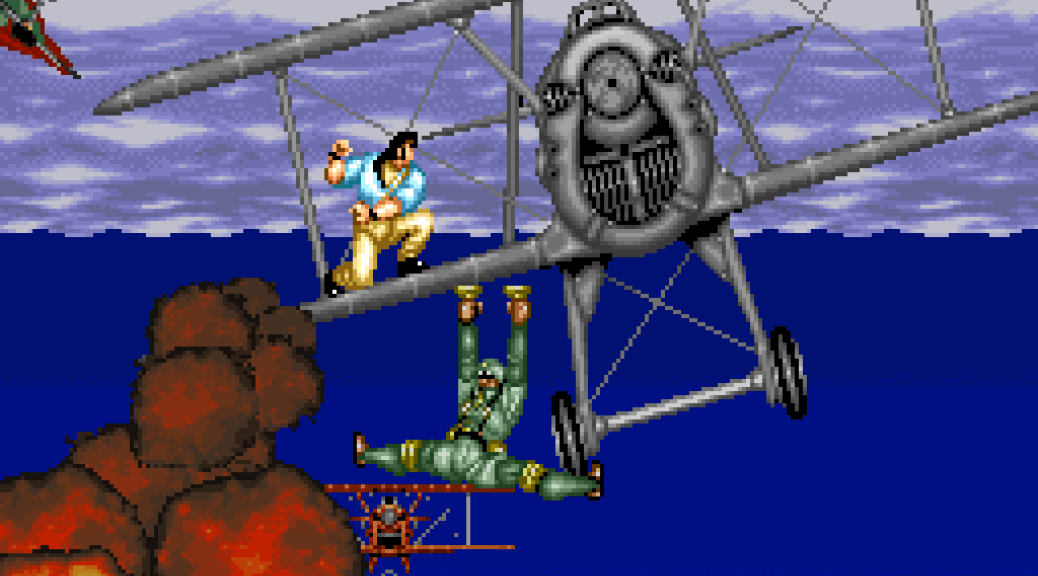
The Cliffhanger: Edward Randy, Arcade
This over-the-top action game was developed and published by Data East in 1990 and in it you play as Edward Randy, an Indiana Jones-style adventurer who is fighting against an army of evil soldiers, led by “Dark Ogre“, and who’ve kidnapped his friend’s daughter Charlotte, who he is trying to rescue.
 The King of Grabs