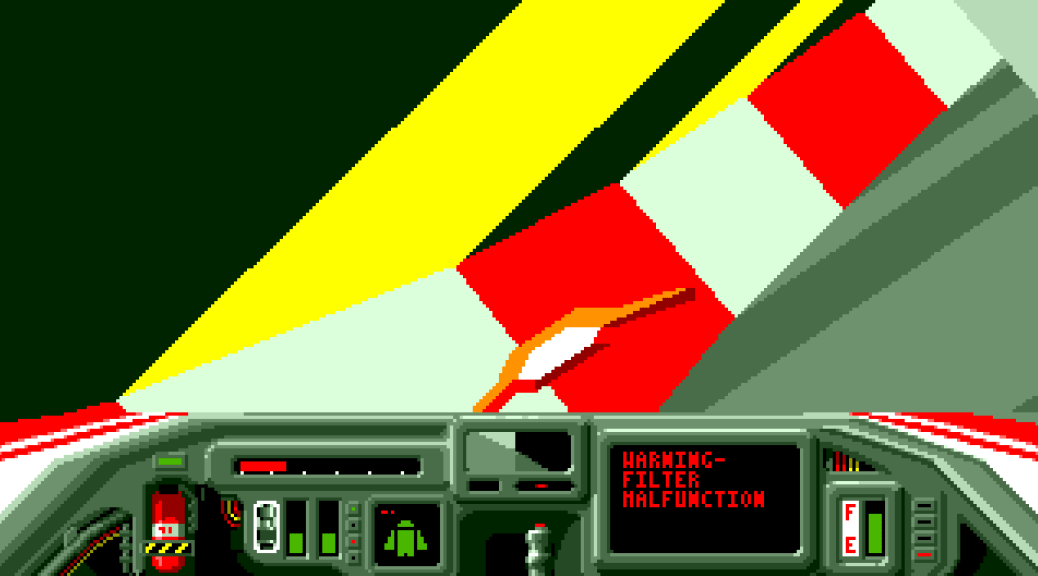
Michael Powell‘s Powerdrome is a futuristic 3D racing game that pre-dates WipEout. It was first published by Electronic Arts for the Atari ST in 1988.

Leaderboard, Atari ST
For a while, in the mid Eighties, Access Software‘s Leaderboard hung on to the title of “best golf game on the planet”. Starting on the Commodore 64 and ending here on the Atari ST (and Amiga) in 1986.
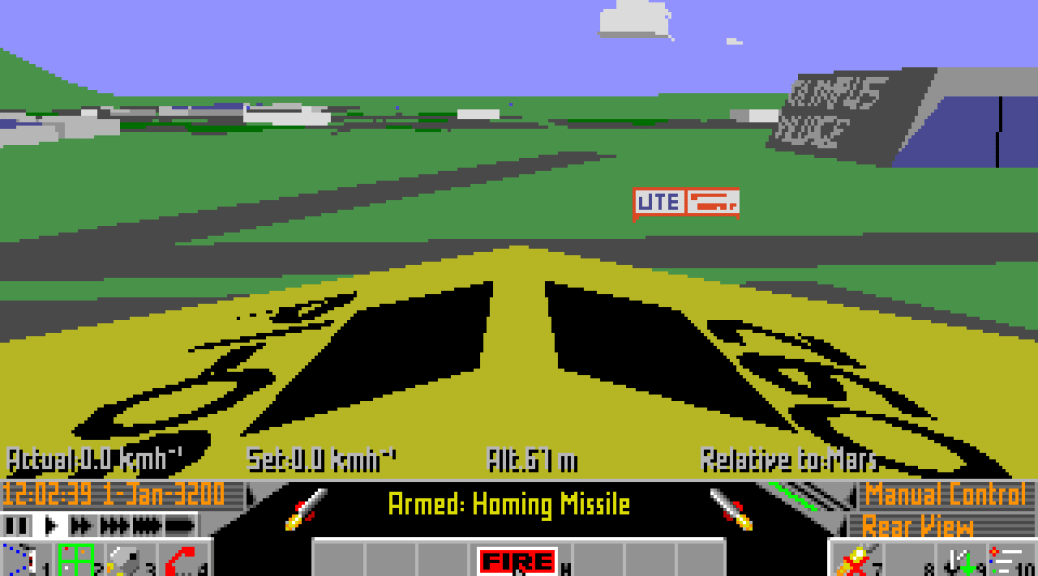
Frontier: Elite II, Atari ST
While all the other space exploration and combat games on 16-bit home computers flail around in their own mucky diapers, Frontier: Elite II makes a mockery of everything else in its class by not only being a staggering piece of programming, but also a damn fine, playable game too.

Hard ‘N’ Heavy, Atari ST
Hard ‘N’ Heavy was created either as a sequel to The Great Giana Sisters, or was originally a Giana Sisters game itself, such is the similarity between it and the aforementioned game.
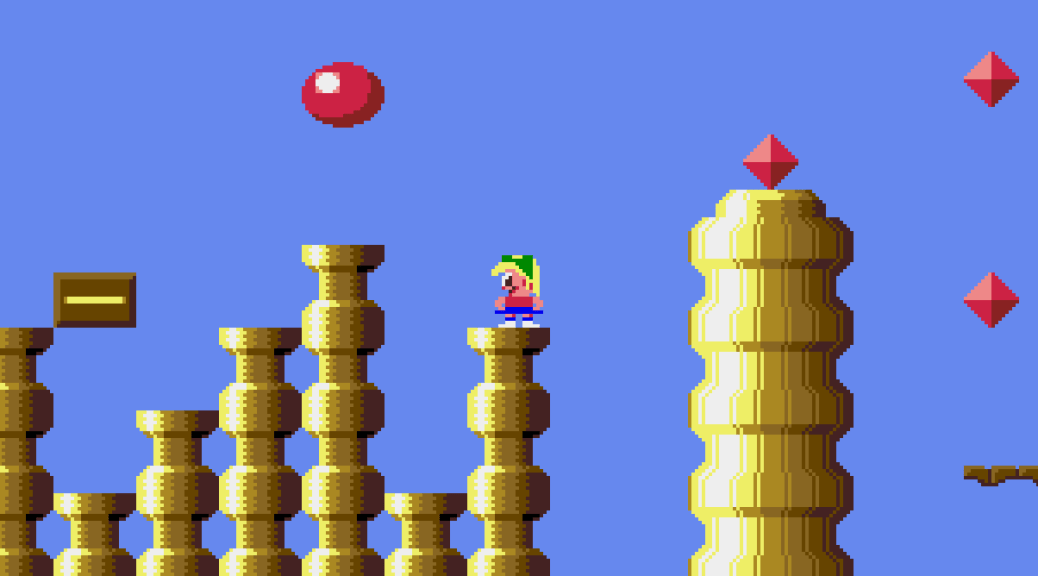
The Great Giana Sisters, Atari ST
The Atari ST version of the infamous The Great Giana Sisters is as good-looking as the original Mario game it is ‘satirising’. It is chunky and colourful and characterful, although gameplay wise it is not a patch on the Mario Bros. games.

Where Time Stood Still, Atari ST
Where Time Stood Still is a conversion of a classic ZX Spectrum game made by Denton Designs. The Atari ST version was publish by Ocean Software in 1988.
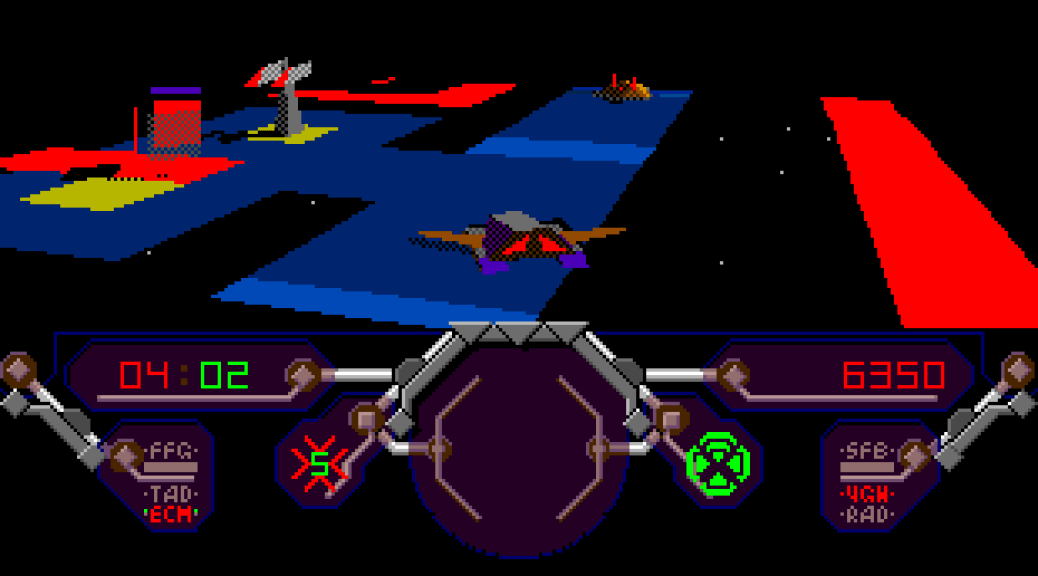
Simulcra, Atari ST
Simulcra is a cool third-person 3D shooter set on a complex series of colourful courses. The game was developed by legendary coding team Graftgold and is one of their least well-known releases, but also one of their best.
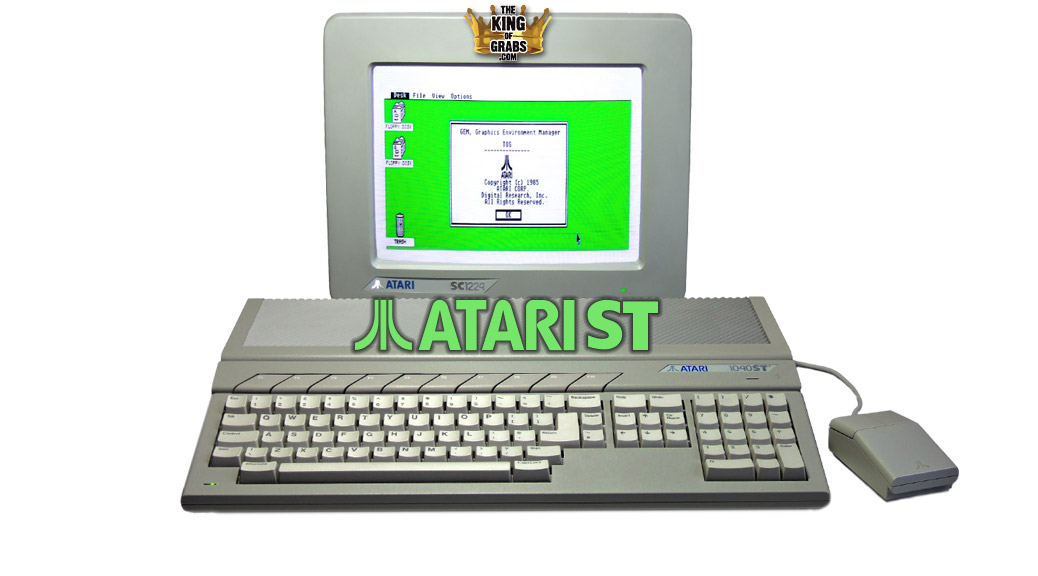
Atari ST Special
The Atari ST was a 16-bit home computer that was a great breeding ground for video games in the ’80s and ’90s. Many original classics were born on the ST (Dungeon Master, Simulcra, and Frontier to name but a few), and many older classics were ported to the ST to give them a new lease of life.
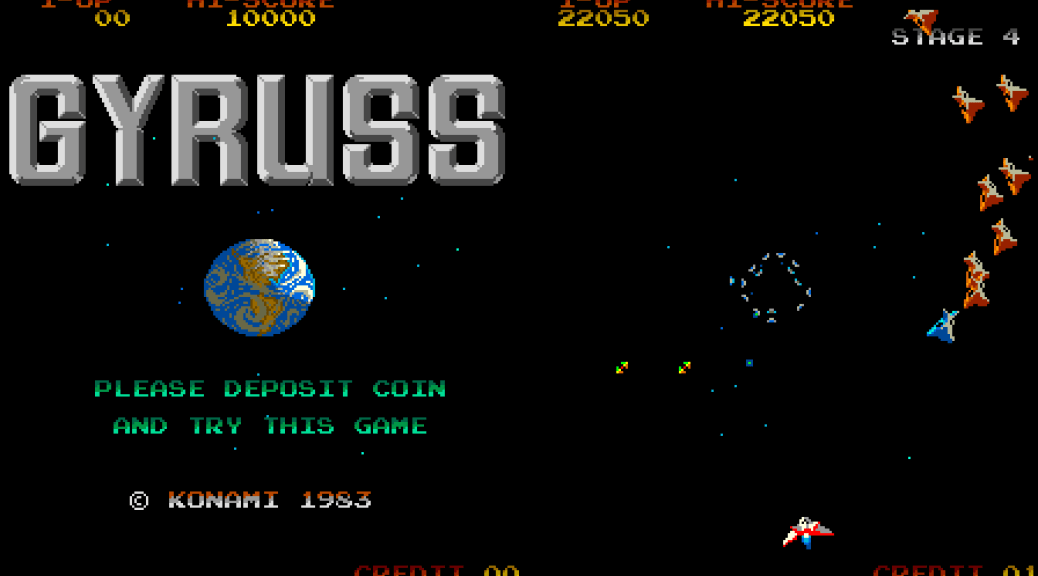
Gyruss, Arcade
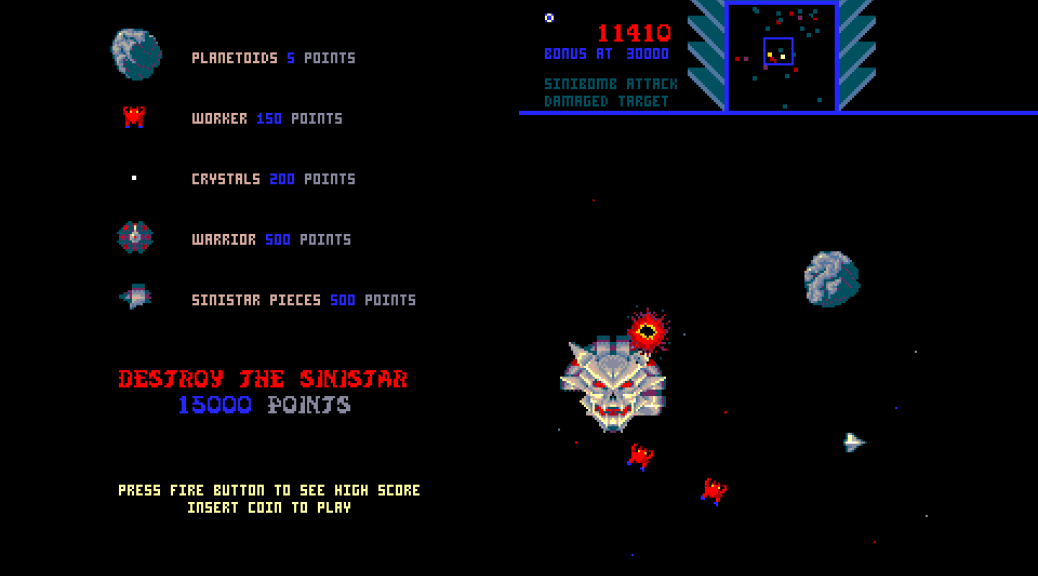
Sinistar, Arcade
People forget how early Sinistar was – 1983. Which was a hell of a year for old arcade shooters!
Of the first colour arcade shooters, the class of 1983 were definitely second or third generation – in terms of ideas, patterns, movement, challenge, and sophistication. Graphically they were becoming a great improvement over early shoot ’em ups.
Sinistar is a good example of this. The graphics are much more detailed and colourful than the old arcade shooters of 1980/81.
 The King of Grabs