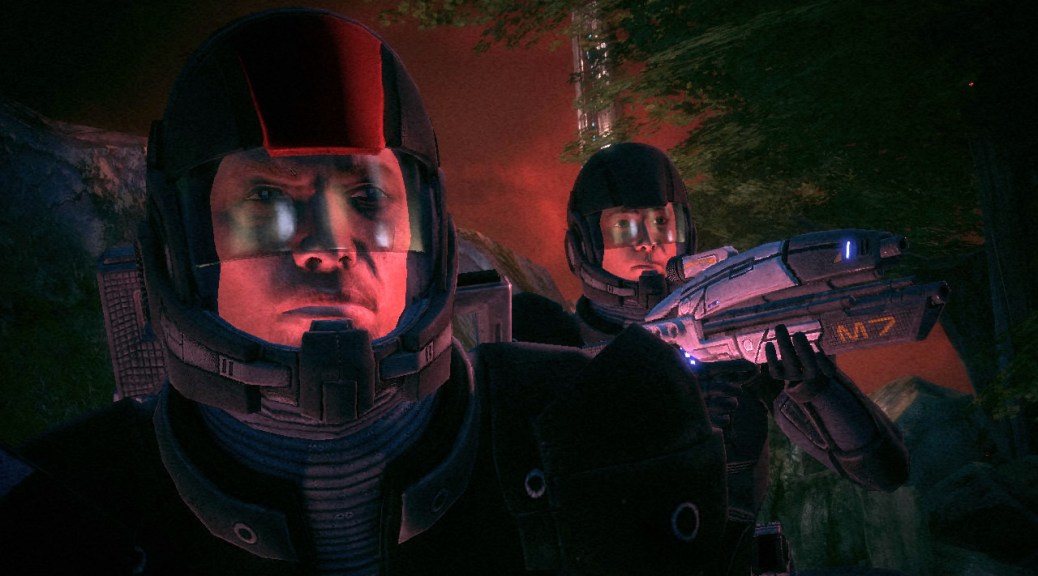
Developed by Canadian company BioWare and released in 2007, Mass Effect is the first part in a trilogy of futuristic RPGs featuring an elite human solder called Commander Shepard.
Tag Archives: armour

Albert Odyssey: Legend of Eldean, Sega Saturn
Albert Odyssey: Legend of Eldean was developed exclusively for the Sega Saturn by Sunsoft and first released in 1996 in Japan. A brilliant English language translation, by Working Designs, was released in North America in 1997 (actually the first Albert Odyssey title ever to be translated into English).
Albert Odyssey is a quintessential Japanese turn-based RPG, full of weapons, armour, spells, magic and combat, actually laugh-out-loud, funny humour, and imaginative boss battles and encounters.
Continue reading Albert Odyssey: Legend of Eldean, Sega Saturn

Shining Soul II, Game Boy Advance
The sequel to Shining Soul – Shining Soul II – was once again developed by Nextech and Grasshopper Manufacture and was first released for the Game Boy Advance in 2003. It’s another real time RPG, only this time it’s more detailed and challenging than the previous game.

Shining Soul, Game Boy Advance
Shining Soul is an isometric RPG with real time combat, developed by Nextech and Grasshopper Manufacture and published by Sega in Japan and Europe and Atlus in North America. It was first released for the Game Boy Advance in 2002.
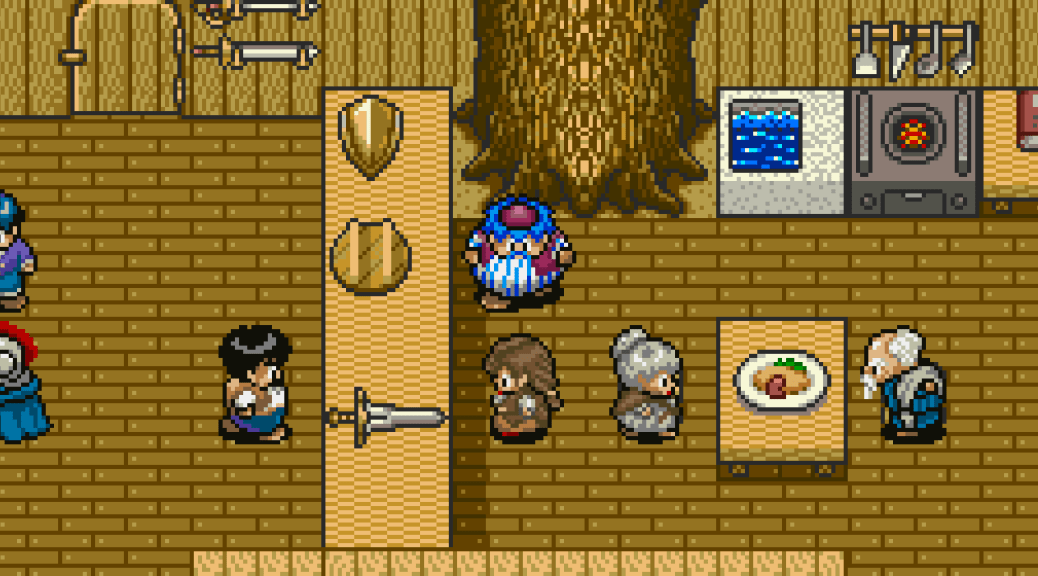
Torneko no Daibōken: Fushigi no Dungeon, Super Nintendo
Torneko no Daiboken: Fushigi no Dungeon (translating as “Torneko’s Great Adventure: Mystery Dungeon“) is the first game in the Mystery Dungeon series from Chunsoft, the developer known for creating the Dragon Quest series. It is a ‘Roguelike‘ dungeon-crawler, with randomised maze-like dungeons and was first released in 1993.
Continue reading Torneko no Daibōken: Fushigi no Dungeon, Super Nintendo

Miracle Warriors: Seal of the Dark Lord, Sega Master System
Miracle Warriors: Seal of the Dark Lord on the Sega Master System is a very simple turn-based RPG that looks terrible but is surprisingly absorbing when you get into it. It was developed by Kogado, initially for the PC-88, then later it was ported to the MSX, Famicom and Master System. The SMS version was first released in 1987 by Sega.
Continue reading Miracle Warriors: Seal of the Dark Lord, Sega Master System

Rogue, Atari 8-bit
I was hoping that the Atari 8-bit version of Rogue might be better than the other 8-bit versions (or at least a balance between the awful C64 version and the half-decent Amstrad version), but I was hoping for too much – especially as it’s another Mastertronic “special” (ie. a good example of a publisher not giving a sh*t about what they released).
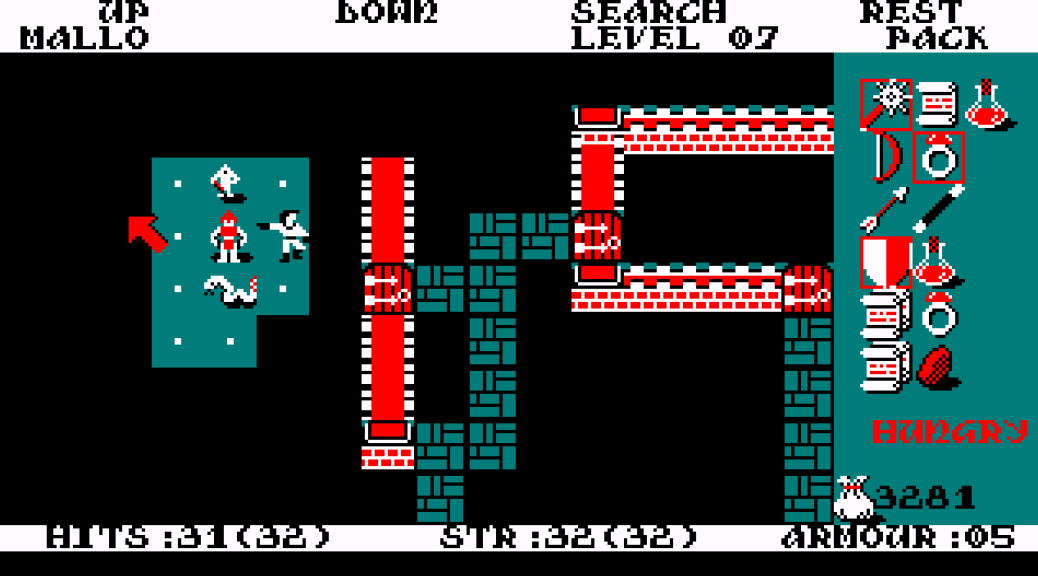
Rogue, Amstrad CPC
The Amstrad CPC version of Rogue is arguably the best of the 8-bit conversions from Mastertronic, although it’s not without its problems. It was developed by Icon Design and first published in 1988.

Rogue, ZX Spectrum
Rogue on the ZX Spectrum was developed by Icon Design and published by Mastertronic Added Diminsion in 1988. And it’s a pretty poor conversion of the classic dungeon-crawler.

Rogue, Commodore 64
The Commodore 64 conversion of Rogue was developed by Icon Design and published by Mastertronic in 1988, and it is a bugged, incomplete, and un-finishable version of the game that demonstrates the utter contempt for which Mastertronic held for both the game, and for gamers who paid money for it.
 The King of Grabs