
The Amiga conversion of Rod Land is an enhanced port of the Jaleco arcade game from 1990. It features extra levels, extra animation, hidden features and bonuses, and glitch fixes. The conversion was done by Random Access and was published by Storm (a sub-label of The Sales Curve) in 1991.
Tag Archives: 2D graphics
Flat, two-dimensional graphics, usually constructed of pixels. Not three-dimensional.
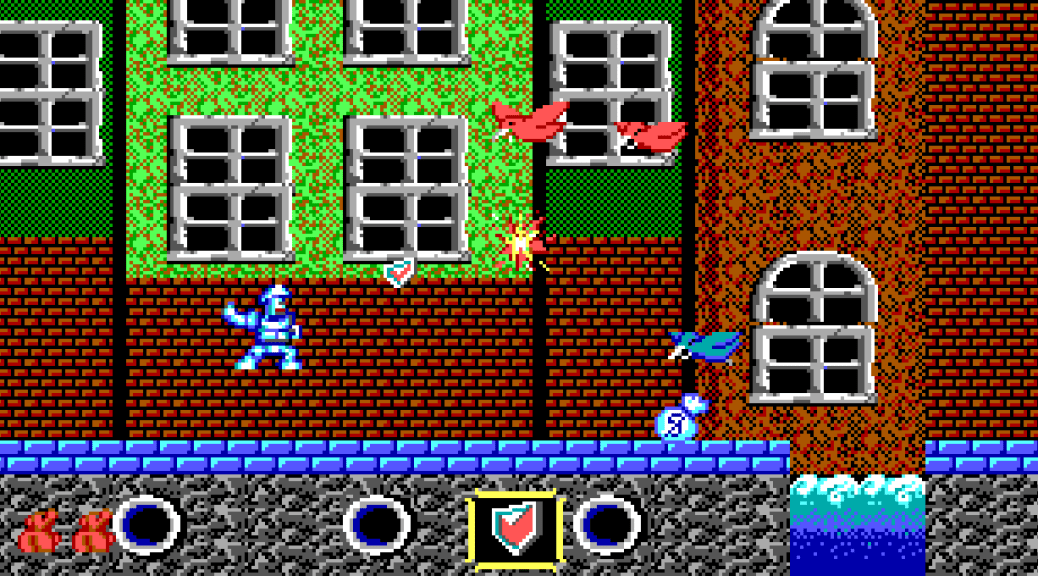
Ghosts ‘N Goblins, PC
The 1987 PC MS-DOS version of Ghosts ‘N Goblins, I’m sorry to say, is a bit of a travesty. It looks terrible, and also plays like a lame duck. In fact, unless you can get the game set up properly in DOSBox (which took me some time to do), then it’s pretty much unplayable*.

Ghosts ‘N Goblins, Amstrad CPC
The Amstrad CPC version of Ghosts ‘N Goblins was developed and published by Elite Systems in 1986, and it looks pretty rough, and seems to be missing a good chunk of the original game.
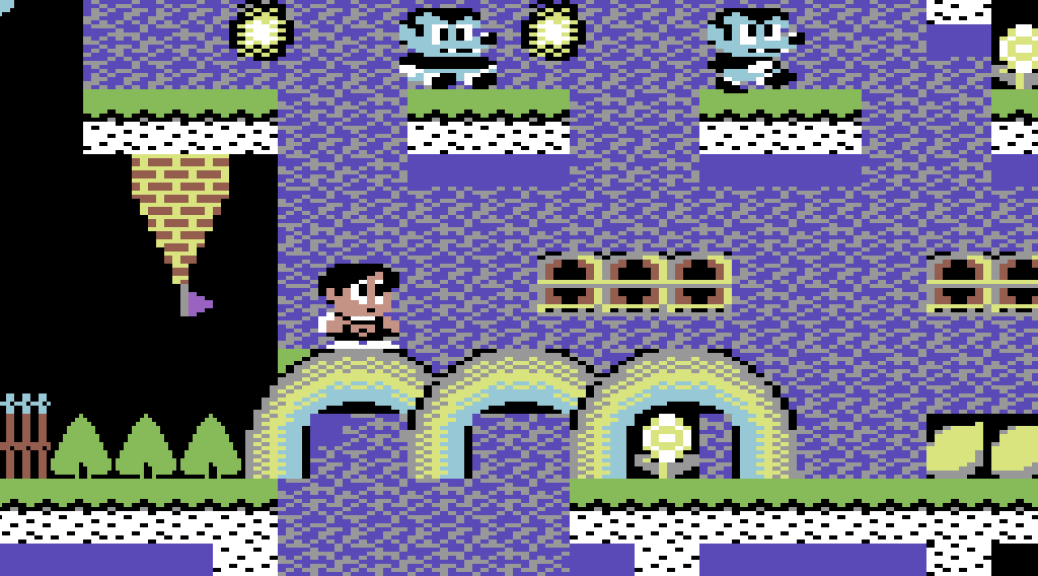
Rainbow Islands, Commodore 64
The Commodore 64 port of Taito‘s classic Rainbow Islands was developed by Graftgold and first released by Ocean Software in 1990, and – gosh-darn it – it is a fantastic port of the arcade game!

Ghosts ‘N Goblins, Amiga
It has to be said that the Amiga port of Capcom‘s classic Ghosts ‘N Goblins is a damn sight better than the Atari ST version, or any of the other conversions from the 16-bit era. It was developed and published by Elite Systems in 1990 and is as close to the arcade parent as is possible on the Amiga.

Super Chase HQ, Game Boy
Super Chase HQ is the second version of Taito‘s classic arcade driving game, Chase HQ, that was released for the original Nintendo Game Boy. It was first released in 1994, and you’d expect it to be much better than the disappointing first Game Boy Chase HQ, which came out in 1990, but…

Chase HQ, Game Boy
There are two versions of Taito‘s classic arcade driving game, Chase HQ, available for the original Game Boy, and this is the first one – developed by British company Bits Studios and first released in 1990 in North America and 1991 in Japan.

Ghosts ‘N Goblins, Atari ST
The Atari ST version of Ghosts ‘N Goblins was programmed by Michael Delves, with graphics by Zippo Games, and was published by Elite Systems in 1990. It is a somewhat ‘funky’ port, with cartoony graphics and gameplay that is easier than the arcade parent.
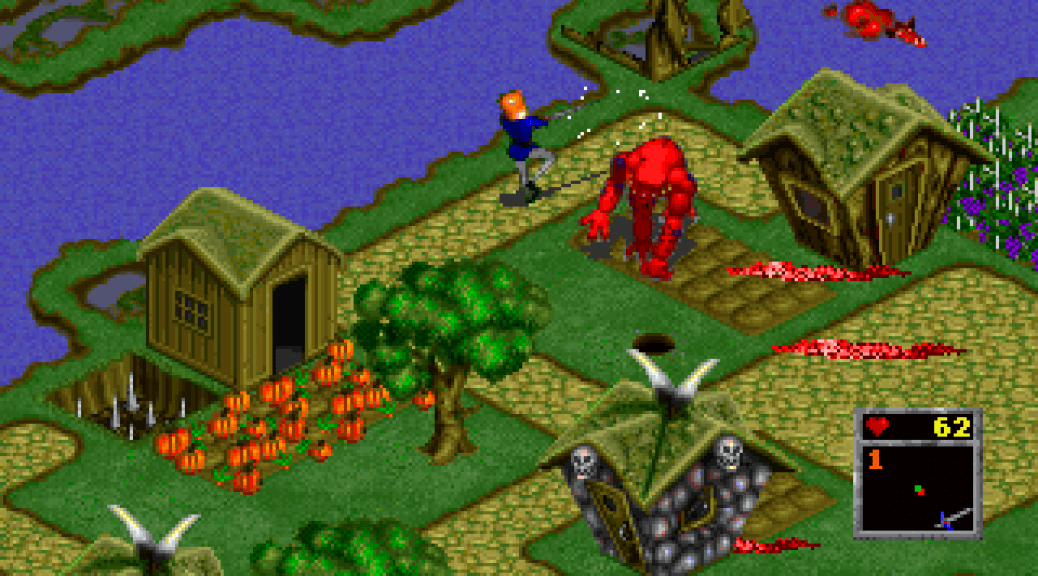
The Horde, 3DO
Developed by Toys For Bob, Inc. and published by Crystal Dynamics (in North America and Japan) and BMG Interactive (in Europe) in 1994, The Horde is an isometric fantasy action game where you have to defend a village from attacking ‘Hordlings‘ – red gremlin-like creatures that attack in waves and try to eat and destroy everything in the province.

Ghosts ‘N Goblins, Game Boy Color
The Game Boy Color version of Ghosts ‘N Goblins was developed by Digital Eclipse Software and is very similar to – if not a direct port of – the NES/Famicom version. It was first released in 1999 by Capcom, and it looks like it might only have been released in North America.
 The King of Grabs