Tag Archives: Kinuyo Yamashita

Akumajō Dracula, MSX

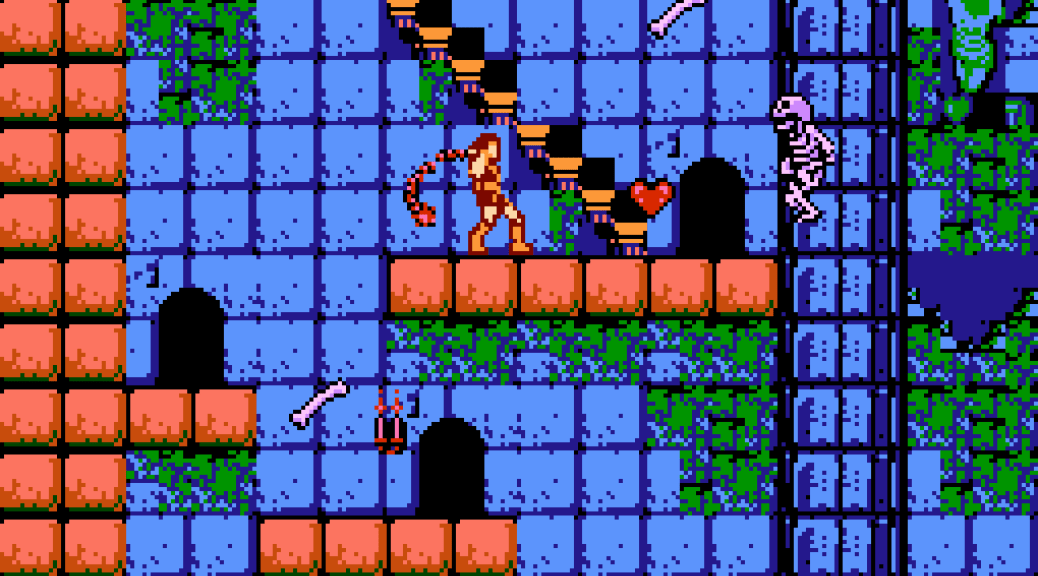
The MSX and Famicom Disk System versions of Konami‘s original Akumajō Dracula (aka “Vampire Killer“), were being worked-on simultaneously by developers inside Konami, in 1985 and ‘86.

The Famicom Disk System version was released one month before the MSX version. Although they are essentially the same game, there are some significant differences between them.

Continue reading Akumajō Dracula, MSX

Croc 2, Game Boy Color

The Game Boy Color port of Croc 2 is a 2D version of the PlayStation sequel that was developed by Natsume and published by THQ in 2001.

Continue reading Croc 2, Game Boy Color

Pocky & Rocky 2, Super Nintendo

The sequel to Pocky & Rocky (known as Kiki Kaikai in Japan) was developed by Natsume and published by Ocean Software in Europe (by Natsume themselves in Japan and North America). Pocky & Rocky 2 was first released in 1994 and is a similar scrolling shooter to its predecessor, but with multiple companions, instead of just one.

Continue reading Pocky & Rocky 2, Super Nintendo

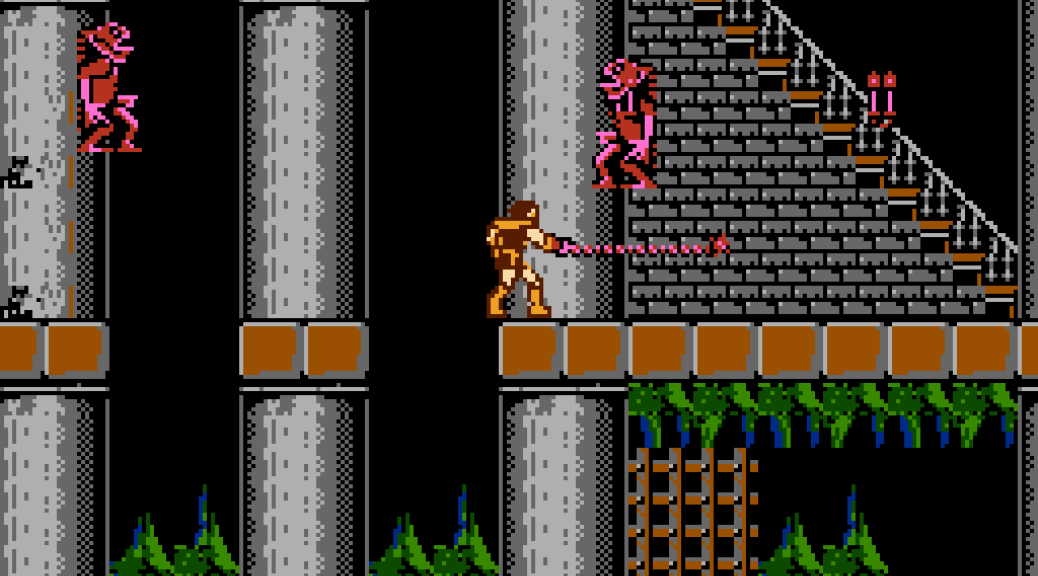
Castlevania, NES/Famicom

The first Castlevania game was initially released in Japan, by Konami, under the title of “Akumajō Dracula” in 1986. Versions for the MSX2 and Famicom Disk System were developed simultaneously, with the Famicom version coming out on 26th September, and the MSX version a month later, on 30th October. That same game was later released in Europe on 30th October 1987 – translated into English – under the title of “Vampire Killer“.

When it came time to convert the game to the Nintendo Entertainment System for a North American release it was decided to re-title the game as “Castlevania“*. This turned out to be a significant decision as it became a big hit and grew to become a popular and well-known series of video games. The name “Castlevania” entered into the lexicon of classic, instantly-recognisable game titles, later becoming a portmanteau of “Metroid” and “Castlevania” (“Metroidvania“) to describe an entire sub-genre of action/platform games that all share similar gameplay features.

*= Although it’s not clear who actually came up with the name “Castlevania” it has been reported that the change was due to Konami of America senior vice president Emil Heidkamp‘s discomfort with the religious connotations of the title “Akumajō Dracula“, which he believed translated as “Dracula Satanic Castle” (although some argue that it translates as “Demon Castle Dracula“).

Continue reading Castlevania, NES/Famicom

Vampire Killer, MSX

Konami‘s “Akumajō Dracula” was first released in 1986 for the MSX2. It helped set the template for a series that is still going (relatively) strong to this day – the Castlevania series.

This MSX game was also the first game in the Castlevania series to be given an English language release, and it was released in 1987 in Europe under the title of “Vampire Killer“, which then changed to “Castlevania” when the North American NES version of this game was released on cartridge.

Continue reading Vampire Killer, MSX

Esper Dream, Famicom Disk System

Esper Dream is a superb real-time, combat-based Role-Playing Game for the Famicom Disk System. It was developed by Konami and released in Japan in 1987.

Continue reading Esper Dream, Famicom Disk System

Akumajō Dracula, Famicom Disk System

Released on 26th September 1986 in Japan, Akumajō Dracula (translating as: “Demon Castle Dracula“) was the very first release in the Castlevania series, predating the MSX version of the game by about a month. Konami released it on the Famicom Disk System where it quickly became a hit with Japanese gamers.

It began a long-running series of platform/horror-themed video games and set the template for the Castlevania series as a whole.

Continue reading Akumajō Dracula, Famicom Disk System

The Treasure of Usas, MSX

Back in 1987, Konami‘s MSX2 release, The Treasure of Usas, wowed everyone with its ace graphics, colourful sprites and smooth movement. It really showed that the MSX2 was a machine to be reckoned with.

Continue reading The Treasure of Usas, MSX