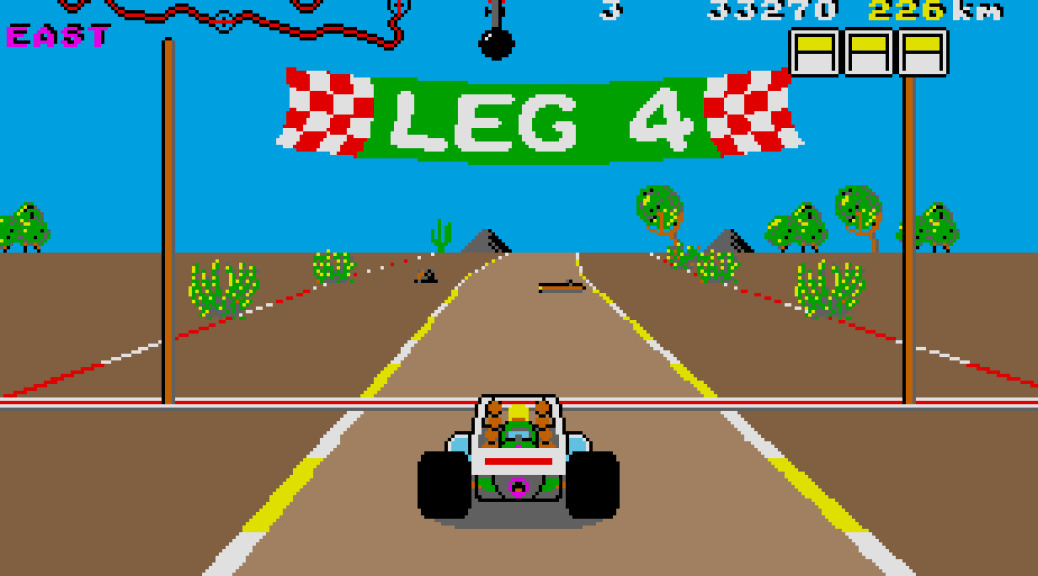
This 1988 Atari ST release, by Elite Systems, is a solid conversion of the classic Tatsumi arcade game.
Tag Archives: crashing
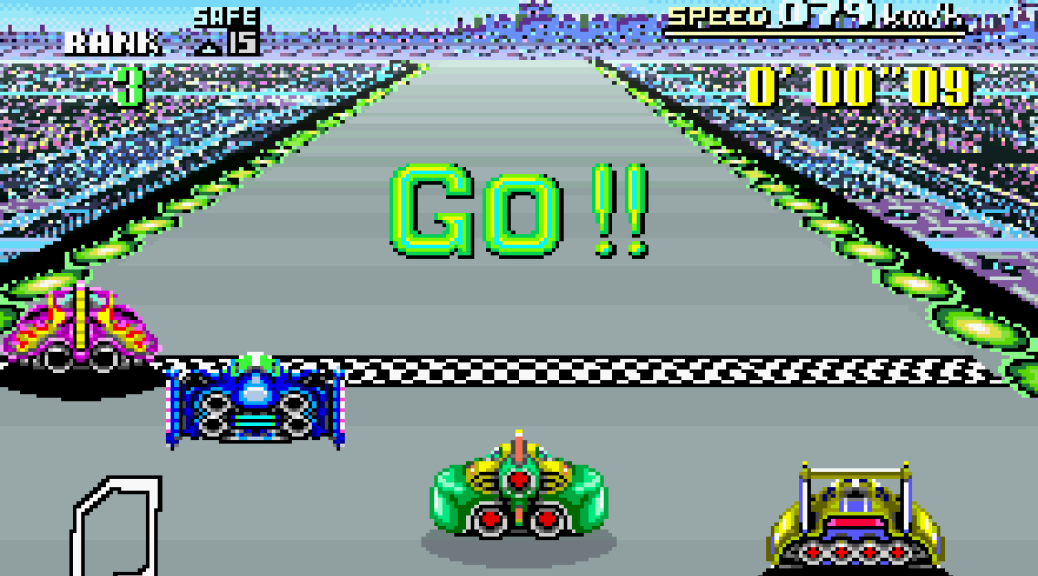
F-Zero, Super Nintendo
F-Zero is an extremely fast and memorable futuristic racing game from the early days of the Super Nintendo. 1990 to be precise.
F-Zero – and Super Mario World – were the only two games available for the SNES on the day of its launch in Japan.

Out Run, Arcade
Sega‘s single-player arcade classic race game – Out Run. Played and enjoyed by millions of people throughout the world.
Out Run was first released in 1986 and took video game arcades by storm with its superfast, colourful graphics, jaunty music, gripping gameplay, and cabinet steering wheel.

Pitstop II, Commodore 64
It might be considered primitive by today’s standards, but back in 1984 when Pitstop II was first released, it really raised the bar for arcade-style racing games. That is: racing games that are fun to play, rather than being as realistic as possible.

Neon Drive, PC
Neon Drive is a beautiful modern retro game that is a kind of cross between an old, ’80s arcade game, and a rhythm game.

Micro Machines 2: Turbo Tournament, Megadrive/Genesis
One of the best games on the Sega Megadrive/Genesis, Micro Machines 2 (1994), by Codemasters, is a super-fast, overhead racing game for up to four players. It is the sequel to Micro Machines on NES.
Continue reading Micro Machines 2: Turbo Tournament, Megadrive/Genesis
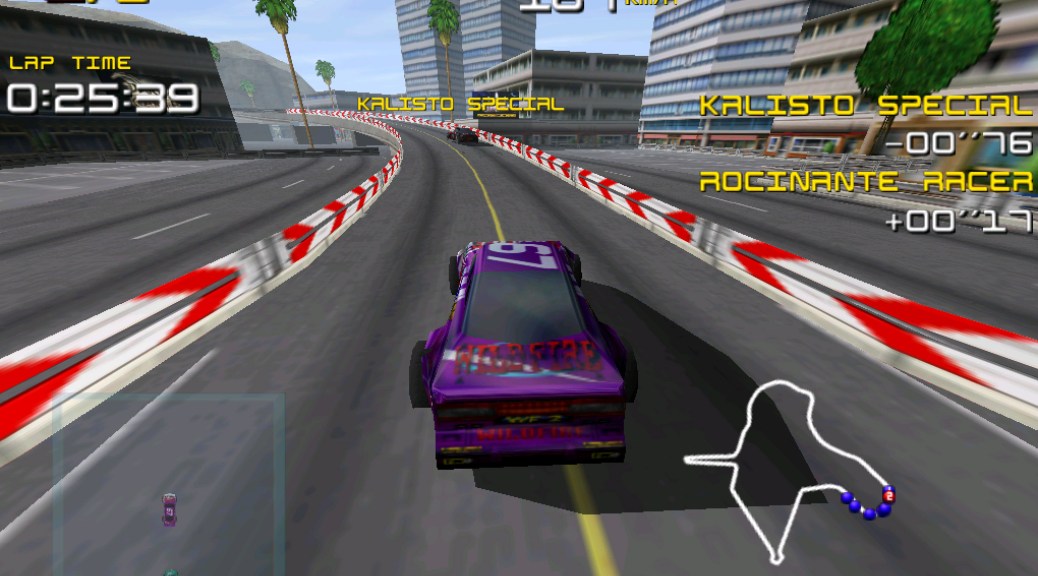
Ultimate Race Pro, PC
It might seem like an innocuous title (and a bit of a Daytona clone), but Kalisto Entertainment and MicroProse‘s Ultimate Race Pro was a great, early pioneer of multiplayer online racing games.

Racing Destruction Set, Commodore 64
Racing Destruction Set was an early Commodore 64 release for Electronic Arts, first released in 1985.
I’d consider it a timeless classic – especially among C64 race games.
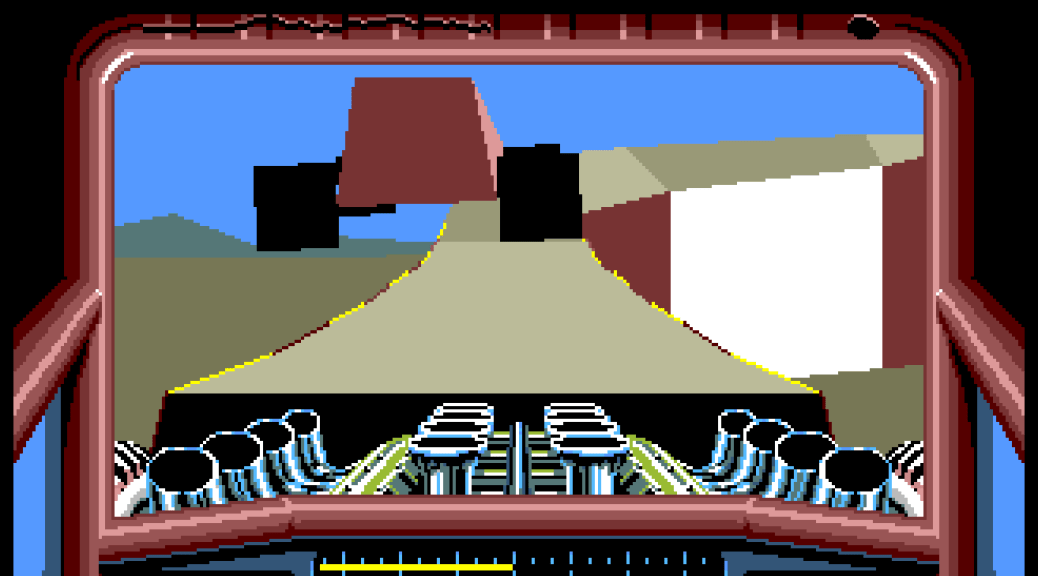
Stunt Car Racer, Amiga
Geoff Crammond‘s Stunt Car Racer on the Amiga is a blistering game!
In fact: on all systems Stunt Car Racer appeared on, it worked extremely well. Mainly because Crammond programmed most of them himself (barring the Amstrad and Spectrum versions), which gave them consistency, and a boost because he was such a good programmer.
 The King of Grabs