
Dragon Quest III: The Seeds of Salvation was developed by Chunsoft and published by Enix in Japan in 1988. It was translated into English and released as Dragon Warrior III in North America in 1992, some four years later.
Tag Archives: Big Hit

Dragon Warrior II, NES
Dragon Quest II: Luminaries of the Legendary Line was developed by Chunsoft and published by Enix in Japan in 1987. The localised English version of this game was released as Dragon Warrior II in North America in 1990.

Pokémon XD: Gale of Darkness, GameCube
Pokémon XD: Gale of Darkness is the successor to Pokémon Colosseum and is another third-generation spin-off from the main Pokémon series. It was developed by Genius Sonority and published by The Pokémon Company exclusively for the Nintendo GameCube in 2005.

Pokémon Colosseum, GameCube
Pokémon Colosseum was developed by Genius Sonority and published by The Pokémon Company in 2003 in Japan and 2004 everywhere else. It is not considered part of the main Pokémon series, but is a third-generation spin-off made exclusively for the Nintendo GameCube.

Pokémon Gold Version, Game Boy Color
Pokémon Gold and Silver Versions were developed by Game Freak and published by Nintendo in 1999 in Japan and 2000 everywhere else. They are ‘second generation’ Pokémon games and were released simultaneously as twin titles, as has become the norm with Pokémon games.
These were the first proper, full-colour Pokémon games, with graphics that have been created to take advantage of the Game Boy Color‘s extended palette (Pokémon Yellow, which preceded this game, didn’t really do that; the graphics were simply colourised from the black and white originals). And you can tell from the very beginning that the visuals in Gold/Silver are a step-up from what we saw previously.

Pokémon Yellow Version, Game Boy Color
Pokémon Yellow (aka Pokémon Yellow Version: Special Pikachu Edition) is a remake of Pokémon Red/Blue/Green that was released for the Game Boy Colour in 1998.
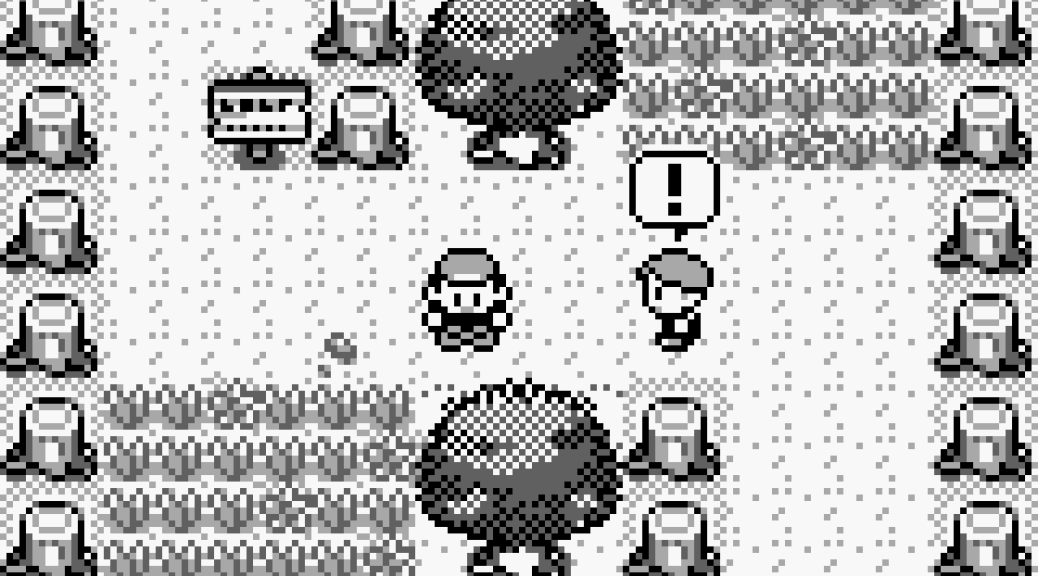
Pokémon Red Version, Game Boy
Pokémon Red Version was the very first Pokémon game and it was released for the original black and white Game Boy in 1996.
Like all subsequent Pokémon games it came as a pair of releases, so that players could have Pokémon exclusive to their version of the game and so that trading was required between versions – if you wanted to catch every single available Pokémon. Some might view that as cynical, but it wasn’t really intended to make people buy both versions, just to encourage link-up play and trading between them. It does however mean that you can’t catch all the available Pokémon if you only have one version of the game, and have no way of trading with someone else who has the other version.
In Japan, Pokémon Red (originally titled Pocket Monsters: Red) was accompanied by Pokémon Green (Pocket Monsters: Green), but in North America and Europe Pokémon Red was accompanied by Pokémon Blue, which is basically a remake of Green.
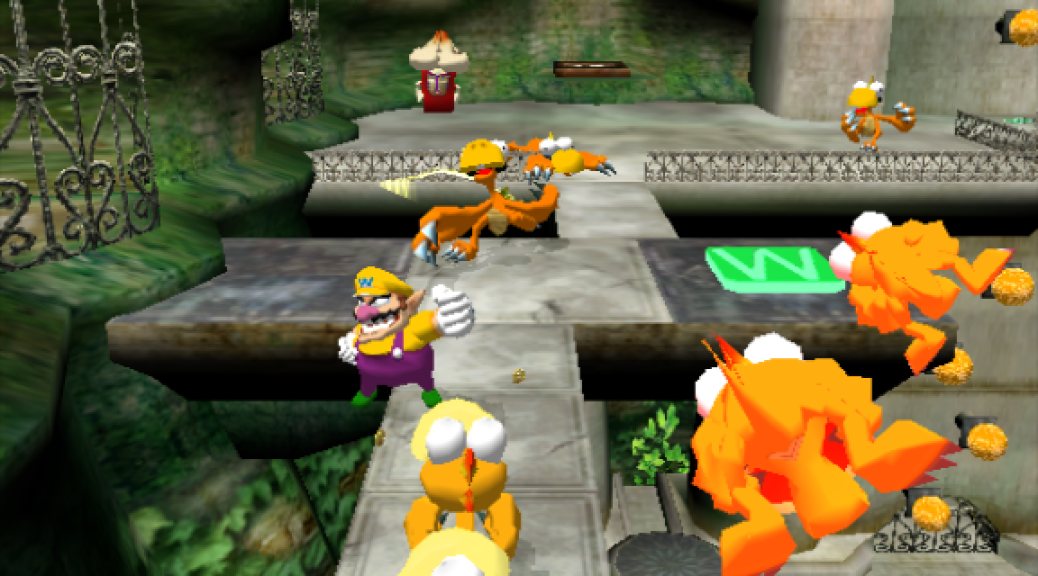
Wario World, GameCube
Wario World for the GameCube was developed by Treasure and published by Nintendo in 2003. It was the first 3D Wario game and, unusually, was released in Europe and North America before it eventually came out in Japan (almost a year after its initial release in the West).

Wario Land 4, Game Boy Advance
The fourth game in the Wario Land series (after Wario Land, Wario Land II, and Wario Land 3) is arguably the best one at this point, having been released for the Nintendo Game Boy Advance in 2001.
All three of the previous games were fun, varied, and beautifully-designed, but the enhanced graphics and power of the Game Boy Advance definitely gives this the edge over its predecessors.

Wario Land 3, Game Boy Color
Wario Land 3 is the sequel to Wario Land II and was developed and published for the Game Boy Color by Nintendo in 2000. It once again features Mario‘s rival, Wario, doing what he does best: shoulder-barging things and cheekily going about his destructive platform business.
 The King of Grabs