Tag Archives: atmospheric

EarthBound, Super Nintendo

This 1994 cult classic Super Nintendo level-grinder was originally titled “Mother 2” in its native Japan – later changed in English-speaking territories to EarthBound.

This was due to the fact that no one outside of Japan had seen the first Mother (released in 1989 on the NES) and the bigwigs at Nintendo of America worried that it might confuse people.

Continue reading EarthBound, Super Nintendo

EarthBound Zero, NES

This classic NES game was initially released in Japan in 1989 under the title of Mother.

Continue reading EarthBound Zero, NES

Academy, ZX Spectrum

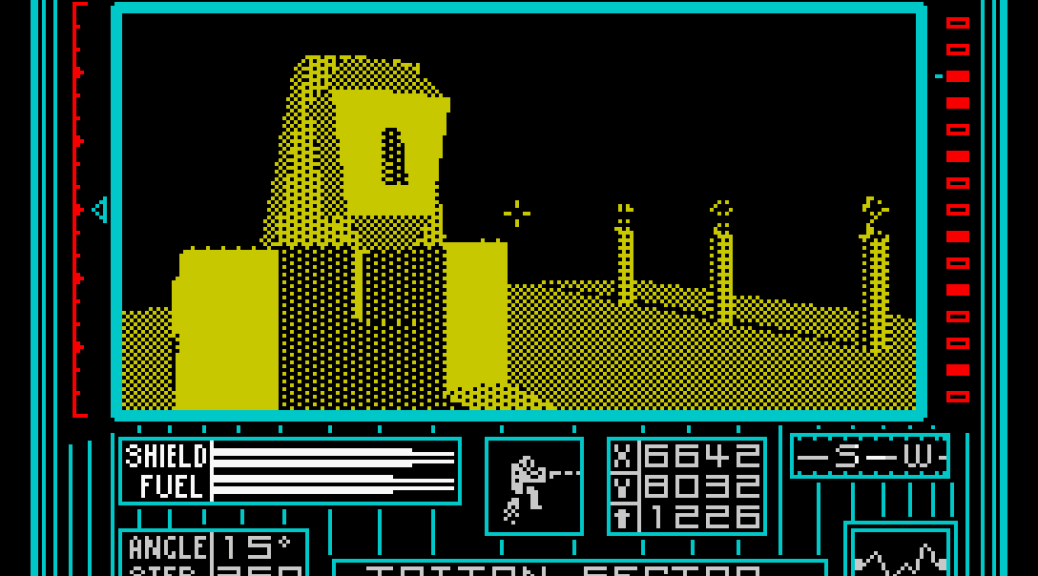
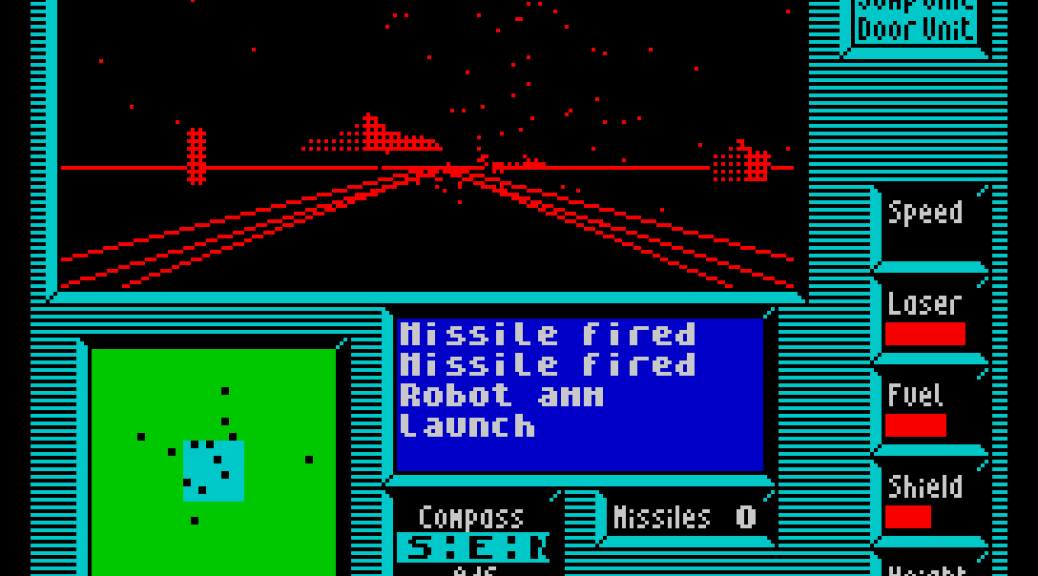
Sub-titled “Tau Ceti II“, Pete Cooke’s stunning Academy is a brilliant mission-based surface shooter that combines great presentation and atmosphere, with interesting use of light – quite radical for a humble ZX Spectrum.

Continue reading Academy, ZX Spectrum

Nosferatu the Vampyre, ZX Spectrum

By 1986 the ZX Spectrum was awash with isometric action/adventures games. After the success of Ultimate Play The Game‘s Knight Lore, everyone was trying to make and release them.

Looking back now I would have to say that many of the so-called “clones” were actually very good, although few were outstanding.

Piranha‘s Nosferatu the Vampyre was one of the few outstanding ones, it having been created by Spectrum veteran game design team Design Design, and it also being an interesting take on the classic tale of vampirism written by Bram Stoker (actually this game being based on the 1979 film starring Klaus Kinski).

Continue reading Nosferatu the Vampyre, ZX Spectrum

Dark Side, ZX Spectrum

Dark Side is the 1988 sequel to Driller is a very early example of a first-person, full 3D, explorable world, that can be viewed from almost any angle.

The game engine – Freescape – has gone on to become famous as one of the earliest examples of its type, and one that was hugely influential on every 3D exploration game that followed.

Continue reading Dark Side, ZX Spectrum

The Witcher 3: Wild Hunt, PC

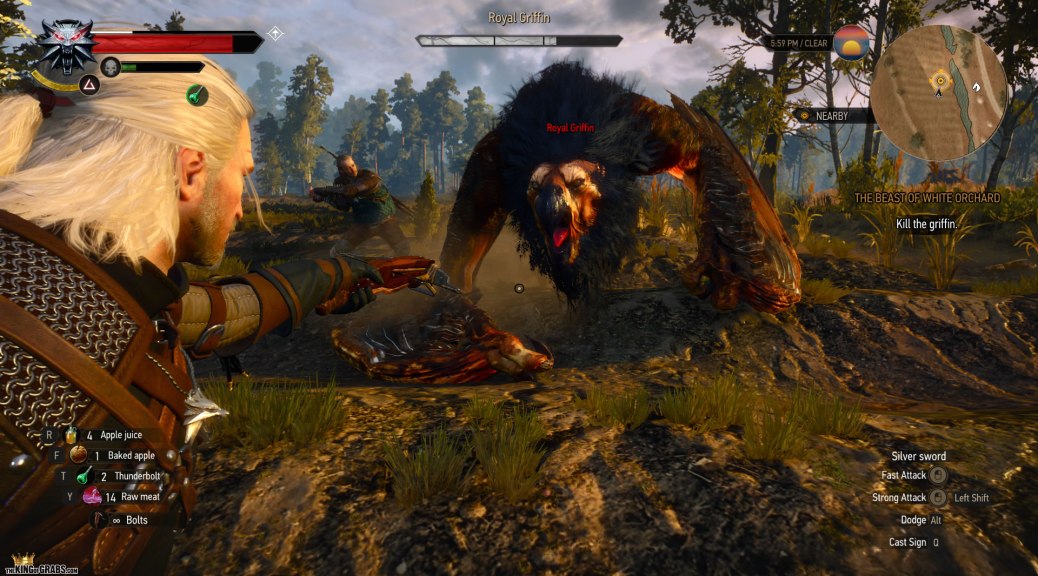
First released in 2015, CD Projekt Red‘s The Witcher 3: Wild Hunt is a third-person, open world Role-Playing Game that is based on a series of novels by the Polish author Andrzej Sapkowski.

Obviously it is the third instalment in the series (and last, according to the developers), and in it you play a monster-hunting detective badass called Geralt – a Witcher; a carrier of two swords (one steel, for killing humans, and one silver, for killing monsters); and a superhuman solver of problems with acute senses and no emotions.

Continue reading The Witcher 3: Wild Hunt, PC

Alone In The Dark, PC

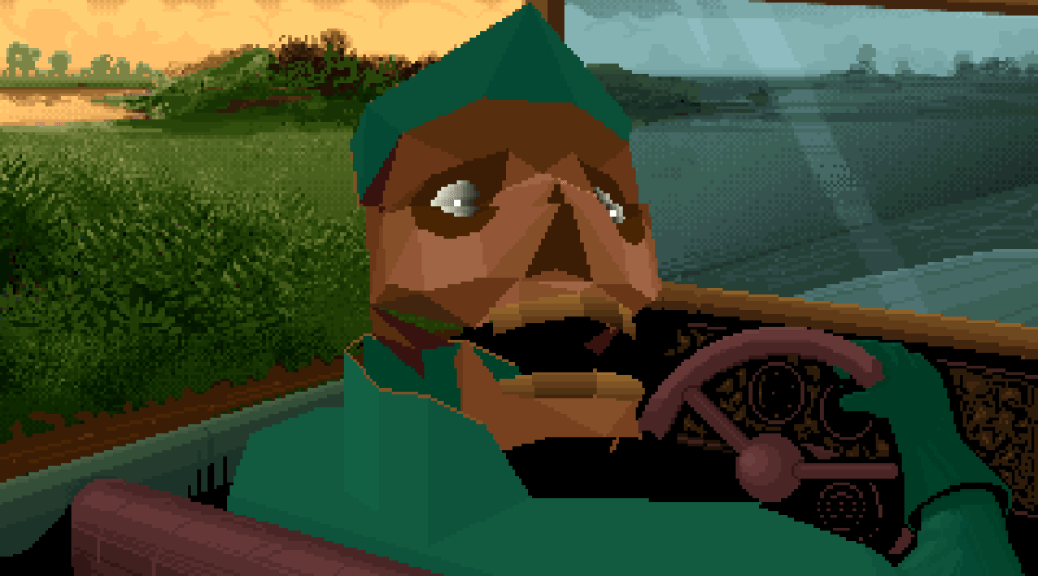
InfogramesAlone In The Dark is one of the earliest survival horror games to use 3D graphics (mixed with 2D graphics), and it really broke new ground when it was first released back in 1992.

Continue reading Alone In The Dark, PC

Metroid Fusion, Game Boy Advance

Also known as “Metroid 4“, Metroid Fusion on the Game Boy Advance is the fourth episode in the famous run-and-gun series from Nintendo and was first released in 2002.

Continue reading Metroid Fusion, Game Boy Advance

Super Metroid, Super Nintendo

The third game in the Metroid series is a top class Super Nintendo classic.

Super Metroid (1994) is more detailed than both previous Metroid games put together, although the basic structure is the same – explore various levels to find your latent abilities, all of which have been lost (“Why does this keep happening in Metroid games?” you may ask. “It’s in the script,” is my answer).

Continue reading Super Metroid, Super Nintendo

Metroid II: Return of Samus, Game Boy

The second ever Metroid game first appeared on the Nintendo Game Boy in 1991.

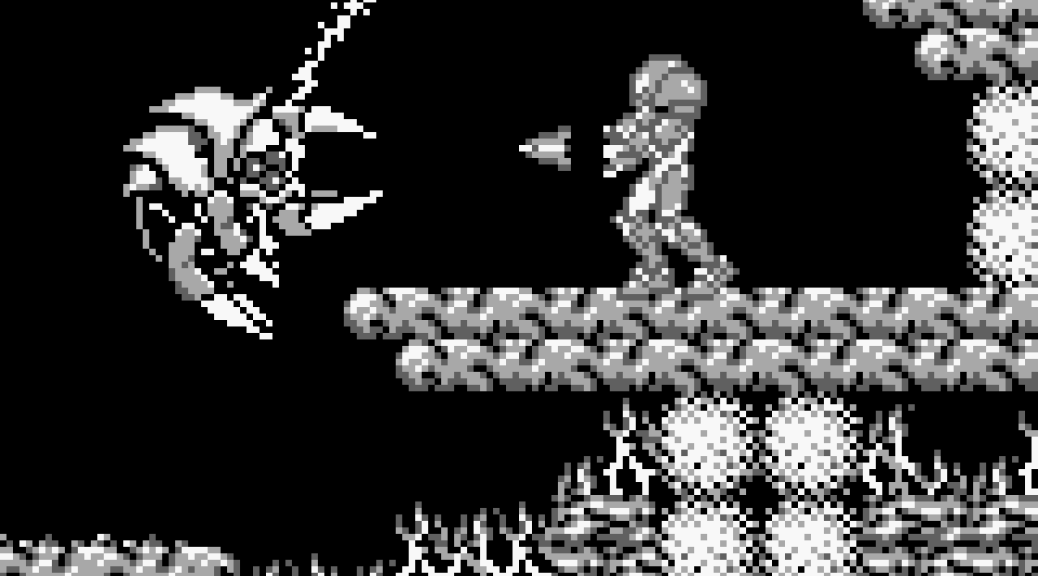
Metroid II: Return of Samus is a brilliant continuation of the first Metroid game. The animation of lead character Samus is much more gritty and realistic in this game, compared to the NES original. And the monochromatic graphics actually seem to add to the eerie atmosphere, rather than hamper the game at all.

Continue reading Metroid II: Return of Samus, Game Boy