
The BBC Micro version was the very first version of Jeremy Smith and Peter Irvin‘s classic Exile, released through Superior Software in 1988.
Tag Archives: shoot em up

Robotron: 2084, Arcade
Williams Electronics‘ savage and heart-pounding single-screen shoot ’em up, Robotron: 2084 (1982), used twin joysticks to give the player 360 degree firing action, while at the same time allowing full 360 degree movement.
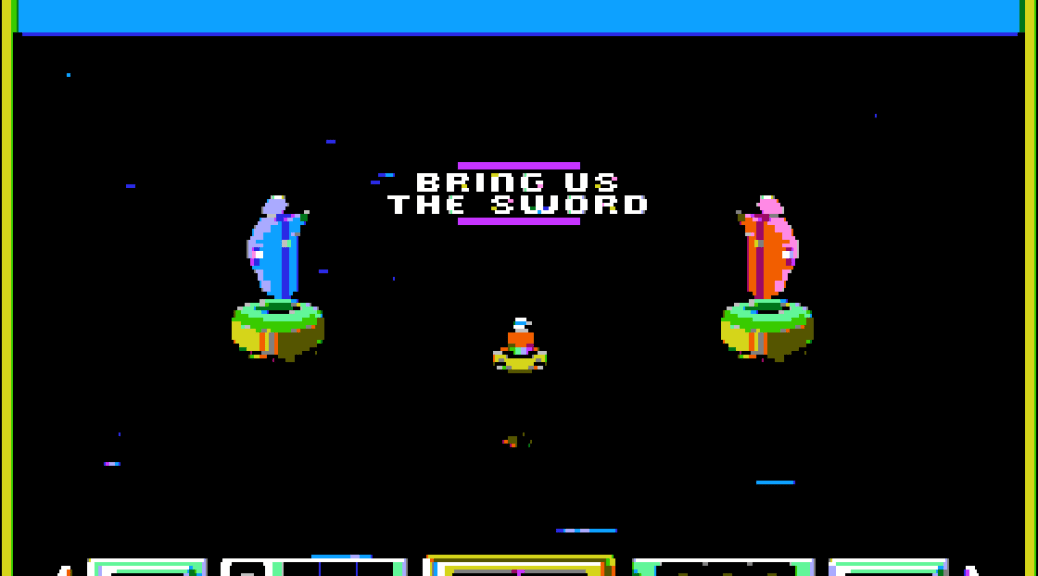
Airheart, Apple II
Airheart is Dan Gorlin‘s predecessor to/prototype of the brilliant Typhoon Thompson and was first released for the Apple II by Broderbund in 1986.
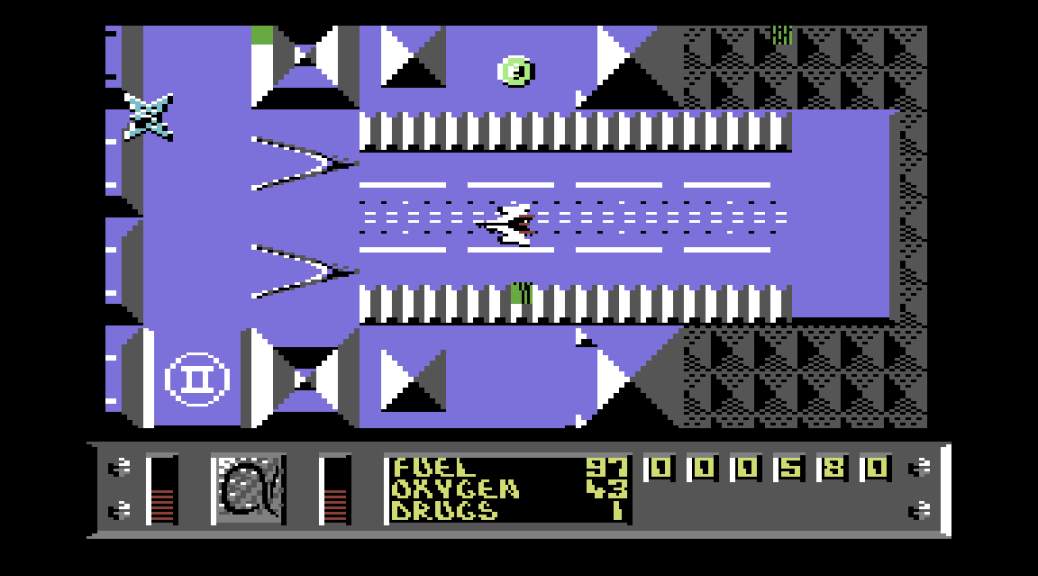
Parallax, Commodore 64
First released by Ocean Software in 1986, Parallax is a wild overhead shooter from legendary UK gamedev company Sensible Software.
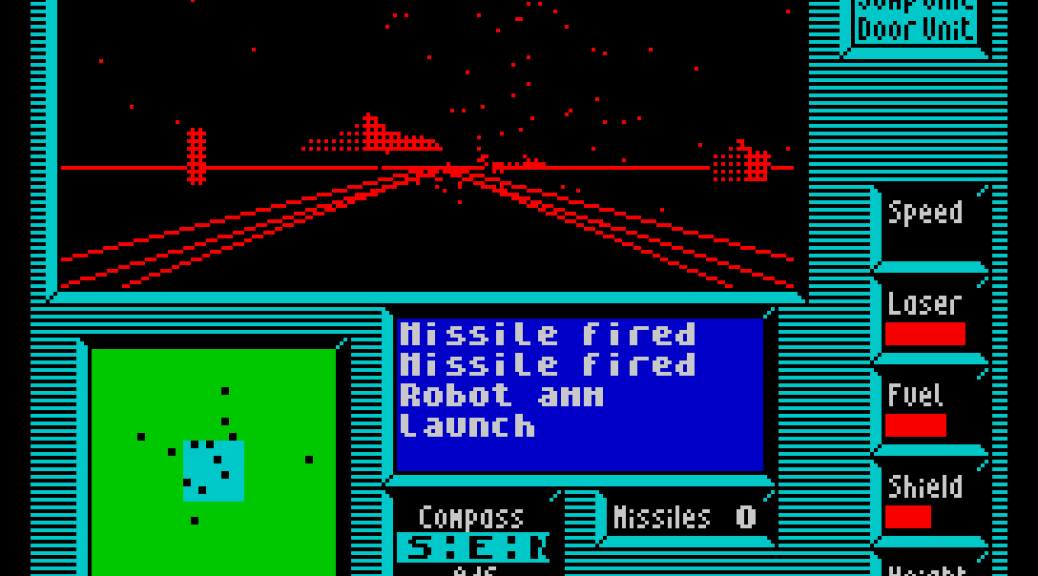
Academy, ZX Spectrum
Sub-titled “Tau Ceti II“, Pete Cooke’s stunning Academy is a brilliant mission-based surface shooter that combines great presentation and atmosphere, with interesting use of light – quite radical for a humble ZX Spectrum.

Starstrike II, ZX Spectrum
The sequel to Realtime Software‘s brilliant Starstrike 3D, Starstrike II is another excellent and groundbreaking first-person space shooter, only this time with impressive “filled” polygons, instead of the simpler wireframe graphics of the original.

Starstrike 3D, ZX Spectrum
More than just a clone of Atari‘s arcade classic Star Wars, Starstrike 3D (or 3D Starstrike, whatever you prefer) is a wireframe, shooter masterpiece on the humble ZX Spectrum that really set the gaming world alight, back in the early Eighties.
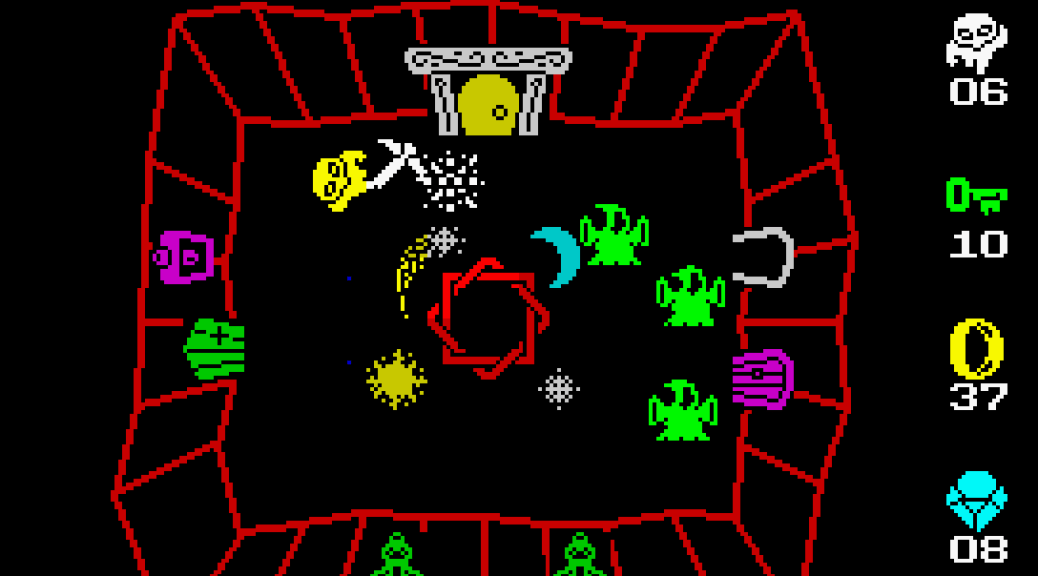
Wizard’s Lair, ZX Spectrum
Steve Crow‘s colourful and fun Wizard’s Lair is clearly a tribute to the brilliant Ultimate Play The Game title Atic Atac. It has the same overhead viewpoint, similar gameplay and graphics and sound effects.

Zynaps, ZX Spectrum
Zynaps is a smart side-scrolling shoot ’em up, developed by Dominic Robinson, John Cumming and Stephen Crow (with music by Steve Turner), and published by Hewson Consultants for the ZX Spectrum in 1987.

Star Fox, Super Nintendo
I’m going to use the Japanese and North American name for this game – Star Fox – rather than the European name (Star Wing, which was chosen because the name “Star Fox” was apparently too similar to a German company called “StarVox”!).
 The King of Grabs