
Released exclusively for the Sega CD in 1993, Sonic CD is arguably the best game in the entire Sonic the Hedgehog series. It came out between Sonic 2 and Sonic 3.
Tag Archives: cute

Sonic Spinball, Megadrive/Genesis
Developed by Sega Technical Institute and released for the Megadrive/Genesis in 1993, Sonic Spinball is a pinball game featuring Sega‘s famous mascot.
The game took some criticism upon release, although I think it’s a very good game that is still fun to play now. If I had any criticisms it would be that the game is quite hard – at least getting to the later stages – but overall has a satisfying feel to it.

Sonic the Hedgehog 2, Megadrive/Genesis
Released in 1992, one year after the classic Sonic the Hedgehog, Sonic the Hedgehog 2‘s big contribution to the series was the introduction of two-player games of Sonic. It was also a Japanese/American co-production this time, by Sega Technical Institute.
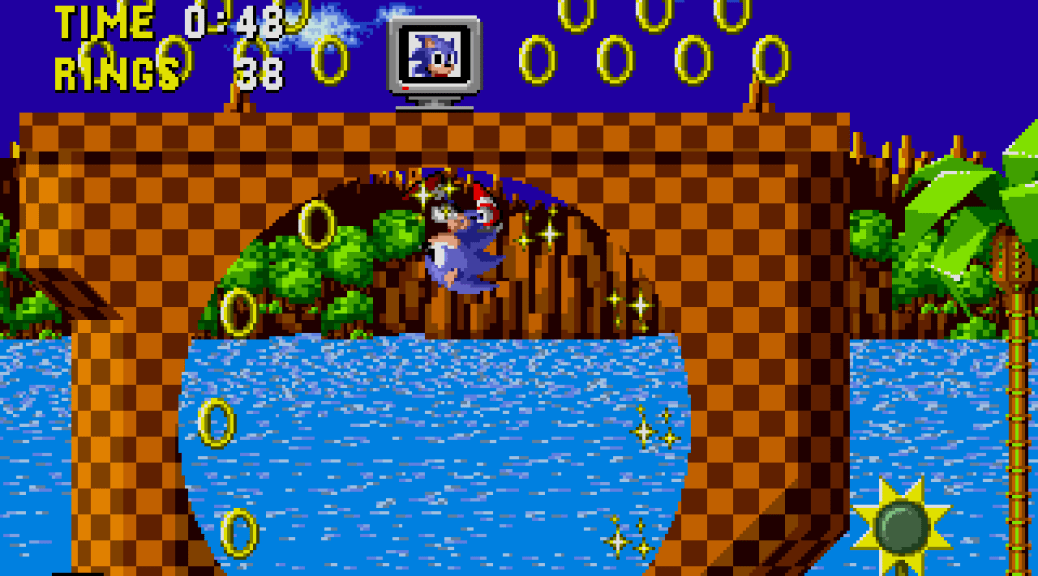
Sonic the Hedgehog, Megadrive/Genesis
When Sega bigwigs asked their talented designers to create a video game character that would become the company mascot, the designers rubbed their chins for a while, then came up with a blue hedgehog, called Sonic.
In fact, the designers were so enamoured with their new creation that they changed their name to Sonic Team as they developed the game.
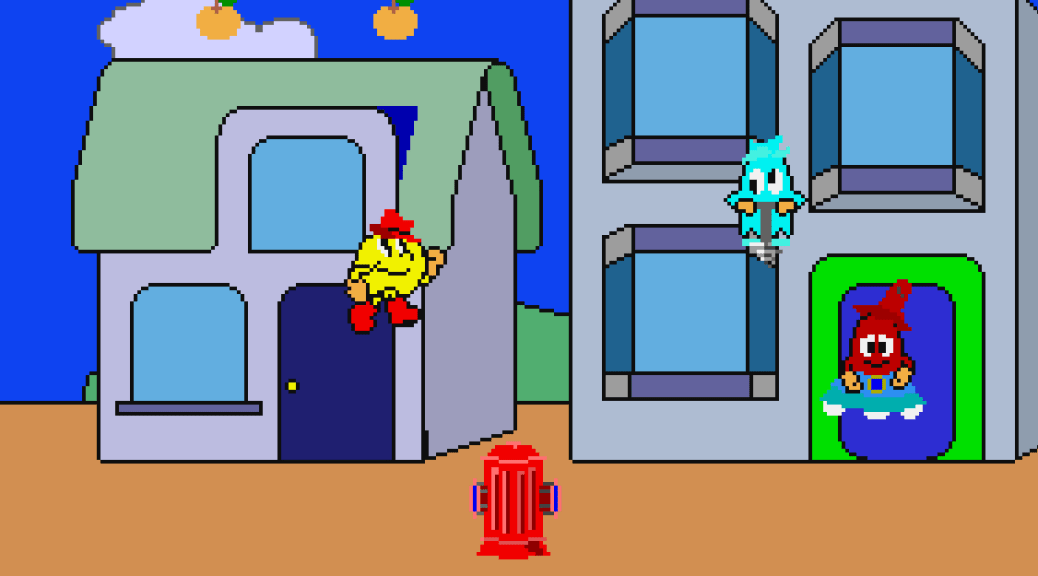
Pac-Land, Arcade
Developed by Namco and released into arcades in 1984, Pac-Land is a departure for the Pac-Man series because this time it’s a platform game. And a pretty good one at that.

Jr. Pac-Man, Arcade
Manufactured by Bally Midway in 1983, Jr. Pac-Man is another sequel to the smash hit, dot-eating maze game, Pac-Man, created by Namco in 1980.
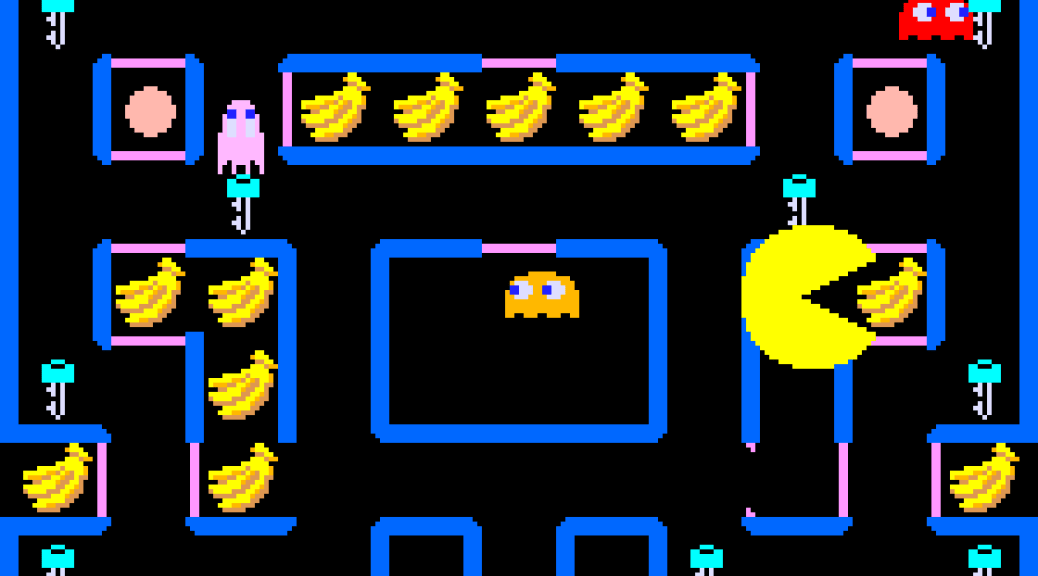
Super Pac-Man, Arcade
Unlike Ms. Pac-Man and Jr. Pac-Man, Super Pac-Man was developed by Namco themselves in 1982, so could be considered the first ‘official’ sequel to Pac-Man.
The fact is: it is arguably inferior to both the aforementioned Midway Pac-Man games, which is a little embarrassing. That said: it is still a decent game in its own right; maybe not quite as ‘pure’ or ‘hardcore’ as Ms. Pac-Man and Jr. Pac-Man, but good nonetheless.
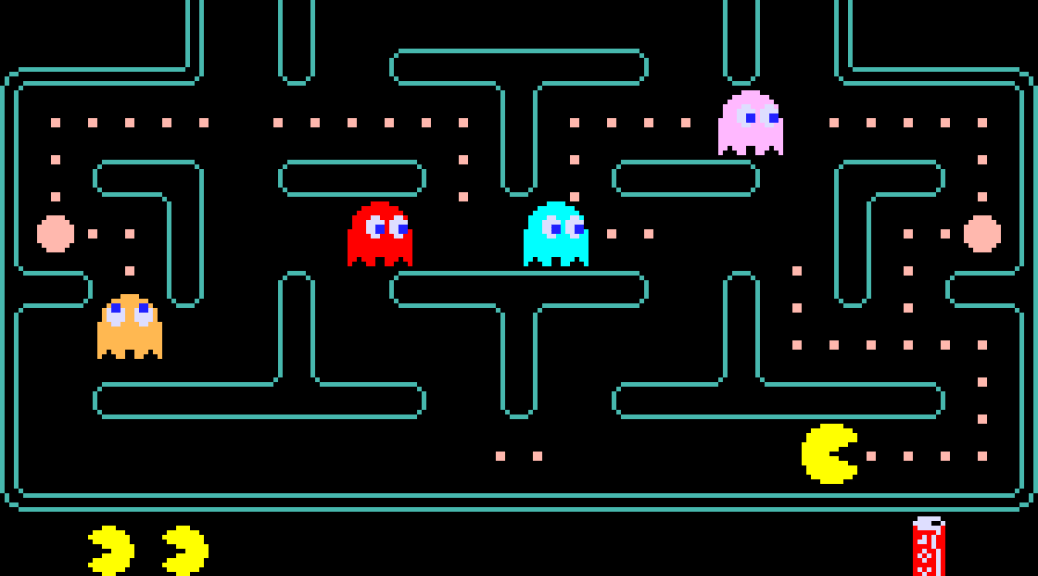
Pac-Man Plus, Arcade
Another American Bally Midway variation of Namco‘s Pac-Man, shipped out into arcades in 1982 to take advantage of the PM craze sweeping the globe.

Ms. Pac-Man, Arcade
The 1982 sequel to the smash hit Pac-Man originally started out as a third party modification kit for Pac-Man machines, developed by General Computer Corporation, and called ‘Crazy Otto‘.
After legal action from Atari, GCC was forced to present Crazy Otto to Midway, the North American distributor of Pac-Man, who bought the game and developed it into Ms. Pac-Man.
Further complicating the story, apparently Midway did this without Pac-Man‘s original owner Namco‘s consent, which caused some licensing issues later. The truth is by no means clear, but in the murky world of video game licensing it is sometimes the case that people sell and exploit rights to products they have no right to.

Super Pang, Super Nintendo
Probably the best conversion of the classic Mitchell Corporation arcade game, Super Pang was released for the Super Nintendo in 1992. It was developed by Capcom and is arguably even better than the arcade original.
 The King of Grabs