
American publisher Epyx released UK hit game Driller onto US PC markets under the title of Space Station Oblivion in 1988.
There was no need for a title change really. Driller says it all.
American publisher Epyx released UK hit game Driller onto US PC markets under the title of Space Station Oblivion in 1988.
There was no need for a title change really. Driller says it all.
Driller and Freescape started life on the ZX Spectrum in 1987 – performing miracles on Sir Clive’s humble little machine. Creating 3D worlds where previously there were none…
And, being more than just a graphics engine, Freescape (and Driller) lived on into the 16-bit realm, and beyond.
Driller first appeared on the ZX Spectrum in 1987. This version is where it all began.
Driller‘s engine – called Freescape – was to go down in history as one of the first to make 3D gaming a real possibility.
Driller was the very first Freescape game. A very important game for its time. It first came out in 1987.
It was one of the first ever games that allowed you to explore a full 3D environment, and Freescape was the engine that made it possible.
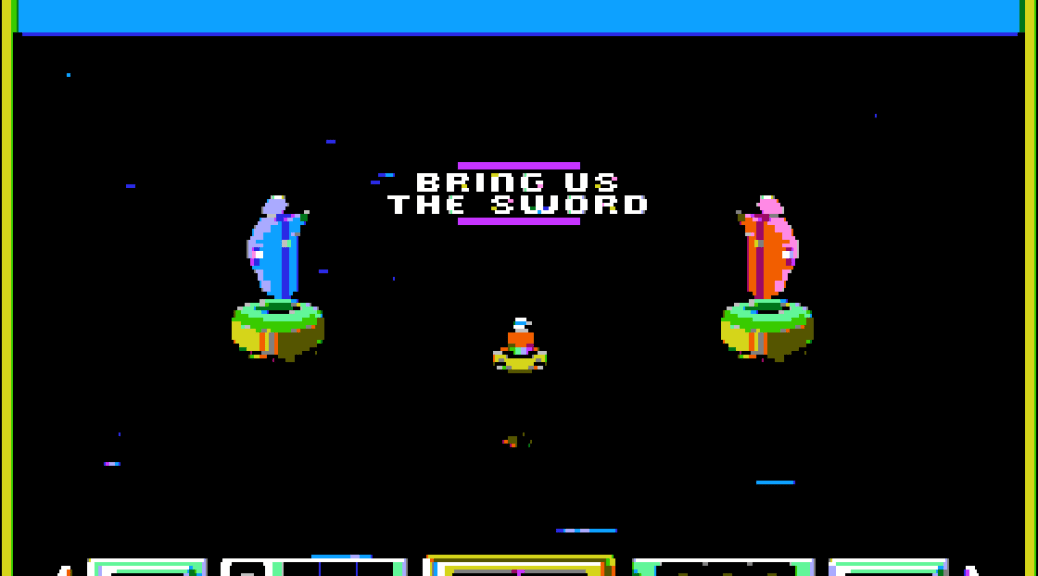
Airheart is Dan Gorlin‘s predecessor to/prototype of the brilliant Typhoon Thompson and was first released for the Apple II by Broderbund in 1986.
Sega‘s classic Ecco the Dolphin was first released in 1992 for the Megadrive/Genesis.
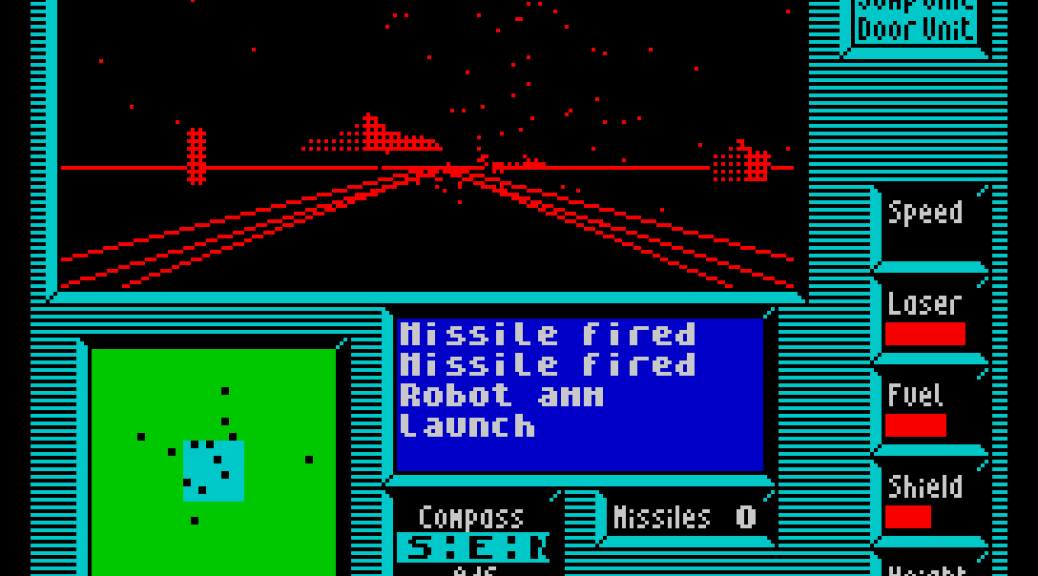
Sub-titled “Tau Ceti II“, Pete Cooke’s stunning Academy is a brilliant mission-based surface shooter that combines great presentation and atmosphere, with interesting use of light – quite radical for a humble ZX Spectrum.
When I first played Shining In The Darkness – a 1991 party-based Role-Playing Game for the Sega Megadrive/Genesis, developed by Climax Entertainment and published by Sega – I was ready to dismiss it, because of the unattractive, ‘cartoony’ graphics, the clunky interface, and the generic script. But after some determined play – admittedly: in an emulator, and using quicksaves – it became apparent that this was no ‘throwaway’ level-grinder. It was in fact something quite special…
Sequel to Mike Singleton‘s classic fantasy war game Lords of Midnight, Doomdark’s Revenge is much bigger and more complex than its predecessor, although essentially it still follows the same style of play as the original – with unique, turn-based movement and tactical combat.
The late Mike Singleton‘s classic Lords of Midnight is a pioneering fantasy war game with strategy and RPG overtones. It was first released in 1984 on the ZX Spectrum by Beyond Software and immediately became a cult hit.





 The King of Grabs