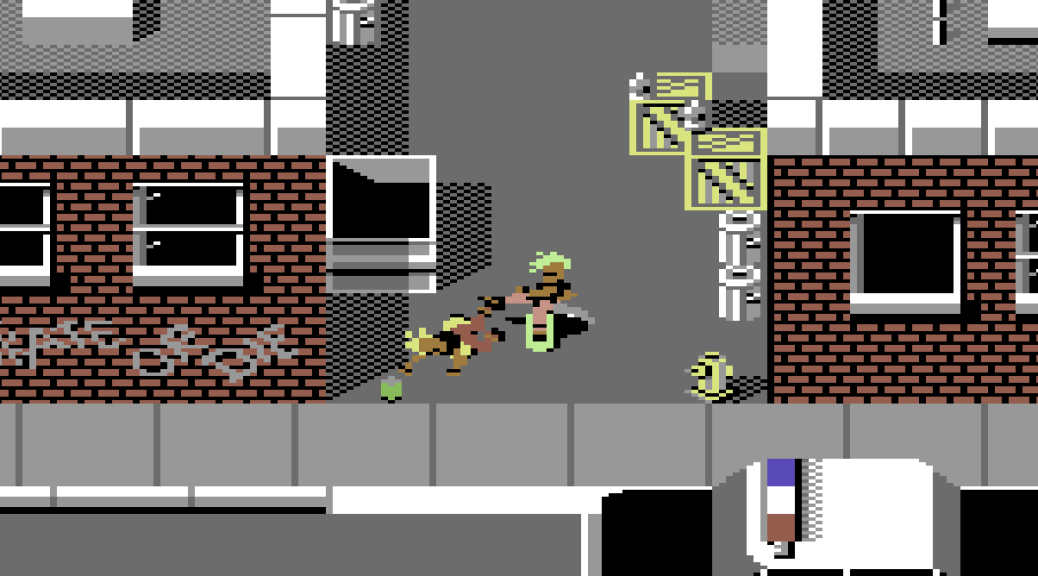
Published by Electronic Arts in 1987, Skate Or Die! is a multi-event skateboarding game that was developed in-house. It remains a decent game to play to this day.
Tag Archives: Electronic Arts
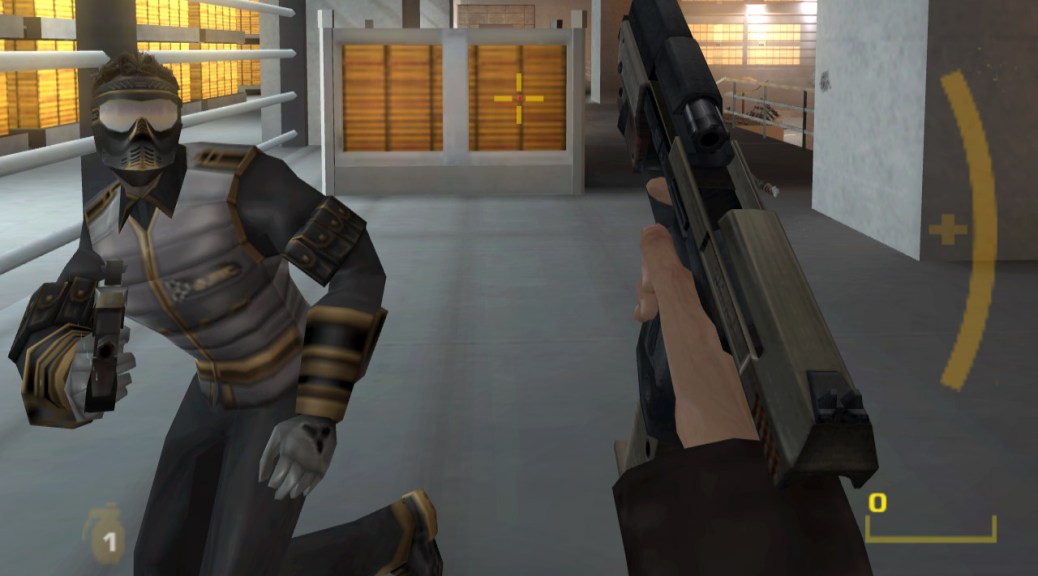
GoldenEye: Rogue Agent, GameCube
Developed by EA Los Angeles and published by EA Games for GameCube, PlayStation 2 and XBox in 2004, GoldenEye: Rogue Agent is an ‘anomaly’ in the James Bond video game franchise. Described as “non-canon“, and more of a “what if…” kind of video game experiment, Rogue Agent unfortunately doesn’t have any connection between it and the classic 1997 N64 game called “GoldenEye“. This did actually lead to players calling out Electronic Arts for deceptive use of the “GoldenEye” name.

James Bond 007: Nightfire, Game Boy Advance
James Bond 007: Nightfire on the Game Boy Advance was developed by JV Games and published by Electronic Arts in 2003 (in North America), and 2004 (in Europe). It is a single-player only first-person shooter, in which you play as the fictional British spy, James Bond.
Continue reading James Bond 007: Nightfire, Game Boy Advance

Battletoads, Arcade
Battletoads is a humorous side-scrolling beat ’em up, developed by Rare Coin Games and distributed into arcades by Electronic Arts in 1994. It satirises the Teenage Mutant Ninja Turtles characters, turning them into muscular toads, called Zitz, Rash and Pimple.

Road Rash, 3DO
Road Rash on the 3DO is a remake of the classic Megadrive/Genesis motorbike racing game. It first came out in 1994 through Electronic Arts and was developed by Monkey Do Productions in association with The EA Advanced Technology Group.

Viewpoint, PlayStation
The 1996 PlayStation version of Aicom‘s classic isometric shooter, Viewpoint, was ported by Visual Concepts Entertainment and published by Electronic Arts. It features updated graphics and music, with the same basic gameplay elements of the original.

Marble Madness, Atari ST
The Atari ST version of Marble Madness was converted by Will Harvey (who also programmed the C64 and Apple II versions – among others), and Jim Nitchals, and was published by Electronic Arts in 1987. It is very similar to the 8-bit ports Harvey produced, rather than the more authentic Amiga version (that he didn’t).

Marble Madness, Apple II
The Apple II port of Atari Games‘ classic Marble Madness was first published by Electronic Arts in 1986. It was converted by Will Harvey of Sandcastle Productions, who also made the Commodore 64 version, of which this is basically a copy. Lack of colour aside, this conversion does have some playability issues that make it frustrating to play.

Marble Madness, PC
The PC version of Marble Madness runs under MS-DOS and was developed by Will Harvey (and a small team of other people at Sandcastle), and was published by Electronic Arts in 1987.
Since they were all coded by the same person, the Commodore 64, Atari ST, Apple II, Apple IIgs and PC versions are all very similar. This one also contains the hidden secret level accessible from the first course, although don’t get too excited about it because it’s not very good.

Marble Madness, Commodore 64
The Commodore 64 version of Marble Madness was developed by Will Harvey and published by Electronic Arts in 1986. It has something unique that most other Marble Madness conversions don’t have, which is: a secret extra level that is accessible from the first stage. It also has the two player mode from the arcade original, where both marbles can race to the goal simultaneously.
 The King of Grabs