
This 2019 Commodore 64 homebrew conversion of the classic Knight Lore is arguably even better than the brilliant ZX Spectrum original. Spectrum owners will not want to hear that, but – being objective – this port does make the game more enjoyable to play. I also managed to get further into the game than I ever managed on the Spectrum, although I did use quick saves (but no cheats).
Category Archives: Systems
Video gaming systems.

Underwurlde, Commodore 64
The Commodore 64 version of Ultimate‘s classic Underwurlde was developed by Softstone and published by Firebird in 1985. It is a faithful recreation of the Spectrum original.
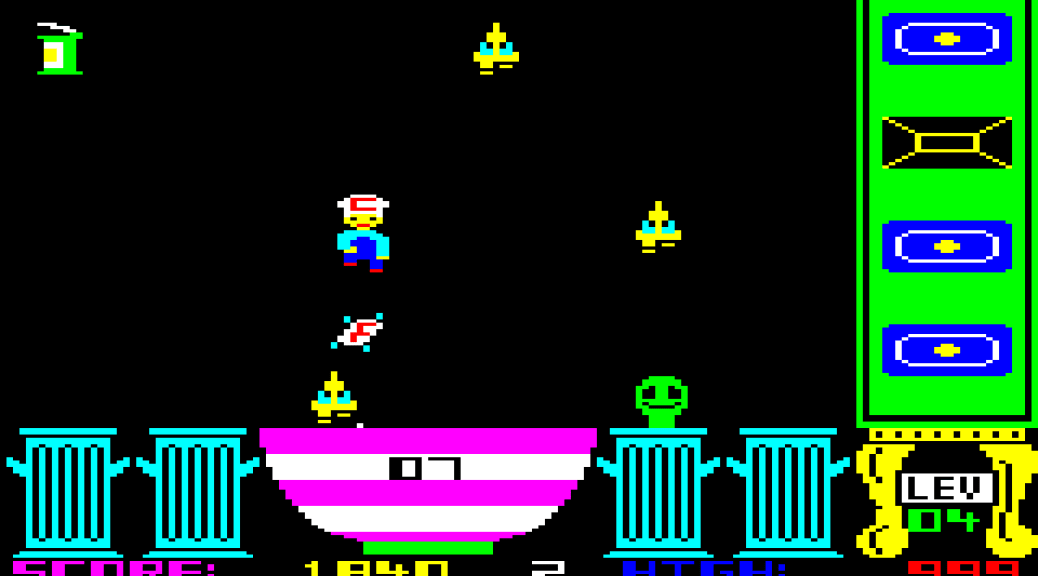
Cookie, BBC Micro
***CANNED GAME***
This BBC Micro conversion of Ultimate Play the Game‘s classic 1983 Spectrum game, Cookie, was programmed by Paul Proctor but was never officially released. Which is shame because it’s not bad.
It was, however, leaked onto the internet some decades later and we can still enjoy playing it now. Which is a damn sight better than the game having been lost forever…
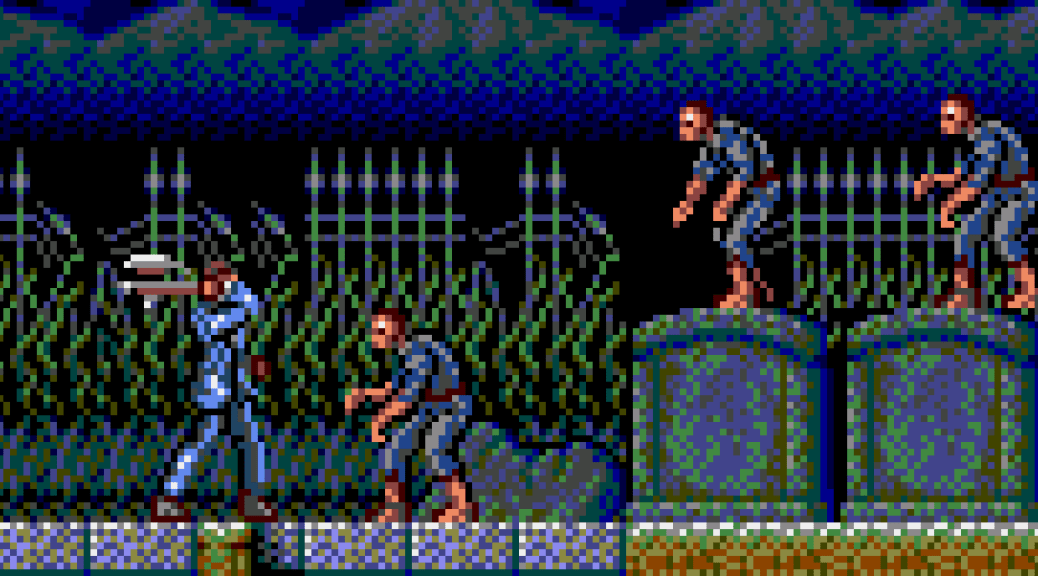
Vampire: Master of Darkness, Game Gear
Let’s not beat around the bush: Vampire: Master of Darkness is a blatant rip-off of Castlevania, but it’s a good one. It was developed by SIMS Co., Ltd. and published by Sega for the Master System and Game Gear in 1992.

Pokémon XD: Gale of Darkness, GameCube
Pokémon XD: Gale of Darkness is the successor to Pokémon Colosseum and is another third-generation spin-off from the main Pokémon series. It was developed by Genius Sonority and published by The Pokémon Company exclusively for the Nintendo GameCube in 2005.

Pokémon Colosseum, GameCube
Pokémon Colosseum was developed by Genius Sonority and published by The Pokémon Company in 2003 in Japan and 2004 everywhere else. It is not considered part of the main Pokémon series, but is a third-generation spin-off made exclusively for the Nintendo GameCube.

Virtua Racing Deluxe, Sega 32X
This superb conversion of Sega‘s Virtua Racing arcade game required the 32X add-on peripheral for the Megadrive/Genesis and was first released in 1994. Called Virtua Racing Deluxe, it had features that were exclusive to this version, and it also had remarkable use of 3D polygonal graphics that were outstanding for the time.

Treasure Trap, Atari ST
Treasure Trap is an isometric platform adventure developed by Doodlebug Designs and published by Electronic Zoo in 1989. It was released for both the Amiga and the Atari ST and it is the ST version that I’m looking at today.
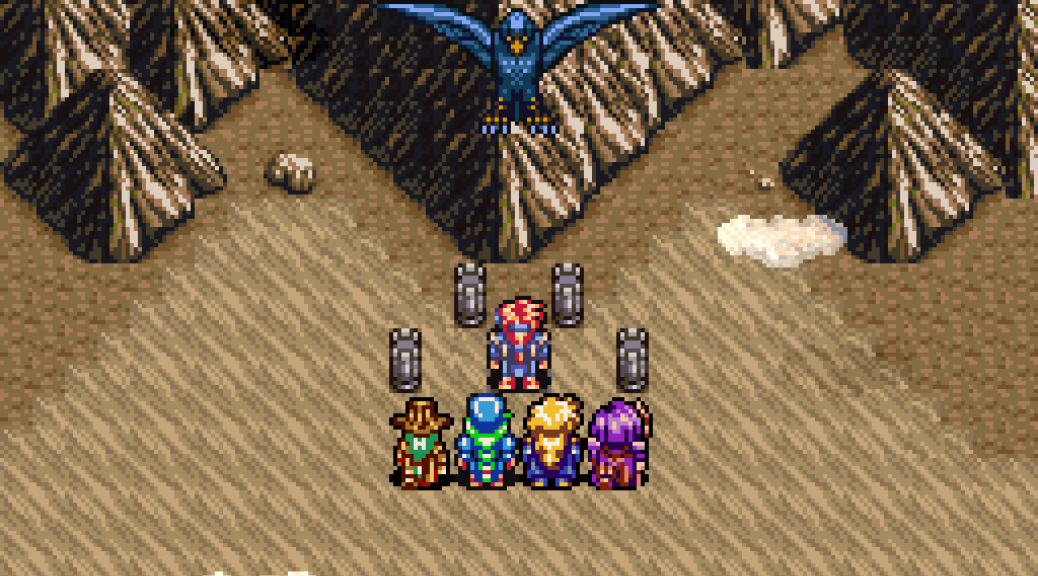
Emerald Dragon, Super Nintendo
Emerald Dragon is a Japan-only RPG that was developed by Alfa System and published by MediaWorks for the Super Nintendo in 1995. It was given an English fan translation (by Translation Corporation) in 2014, which is great because it is an excellent game!

Secret Commando, Sega Master System
Known in North America as “Rambo: First Blood Part II” (complete with movie licensed characters), and “Ashura” in Japan. Also known as: “Not-So-Secret Commando“, since this is an unsubtle clone of Capcom‘s classic 1985 arcade game, Commando (and SNK‘s 1986 game, Ikari Warriors – since it has a simultaneous two-player mode and level designs that echo that game). Joking aside: it’s a pretty good clone of Commando, although it does play rather slowly.

