
A fine 16-bit conversion of the classic Mercenary by Paul Woakes, written by Woakes himself it seems. And why wouldn’t it be? It’s a great game and deserves doing right, so who better to code it than the original creator?
Tag Archives: Cult Game
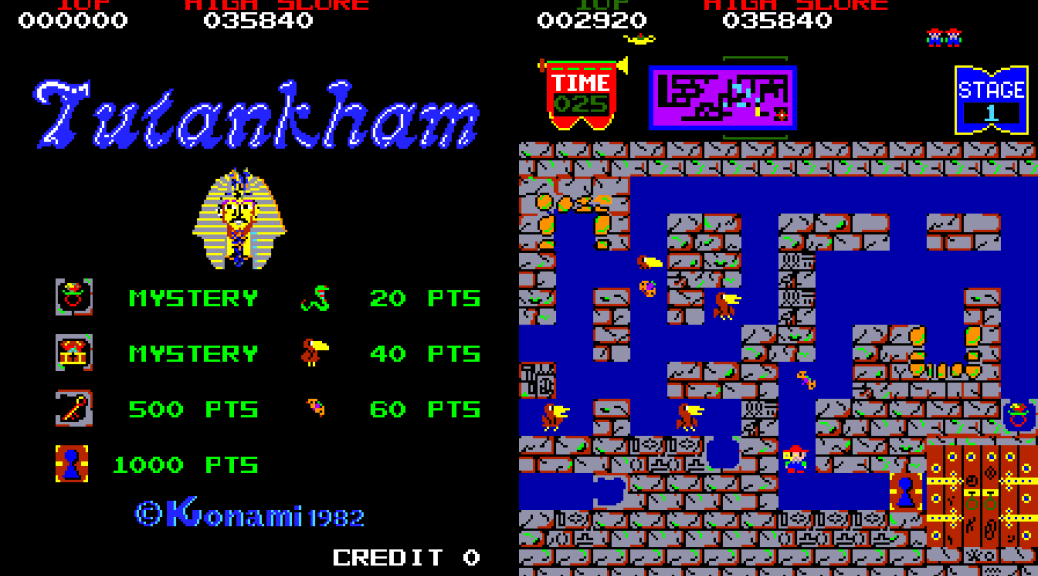
Tutankham, Arcade
Konami‘s 1982 arcade game Tutankham is a weird horizontally-scrolling shooter where you play a gun-toting archaeologist, fighting off snakes, mummies, and other meanies, inside a maze-like Egyptian tomb.
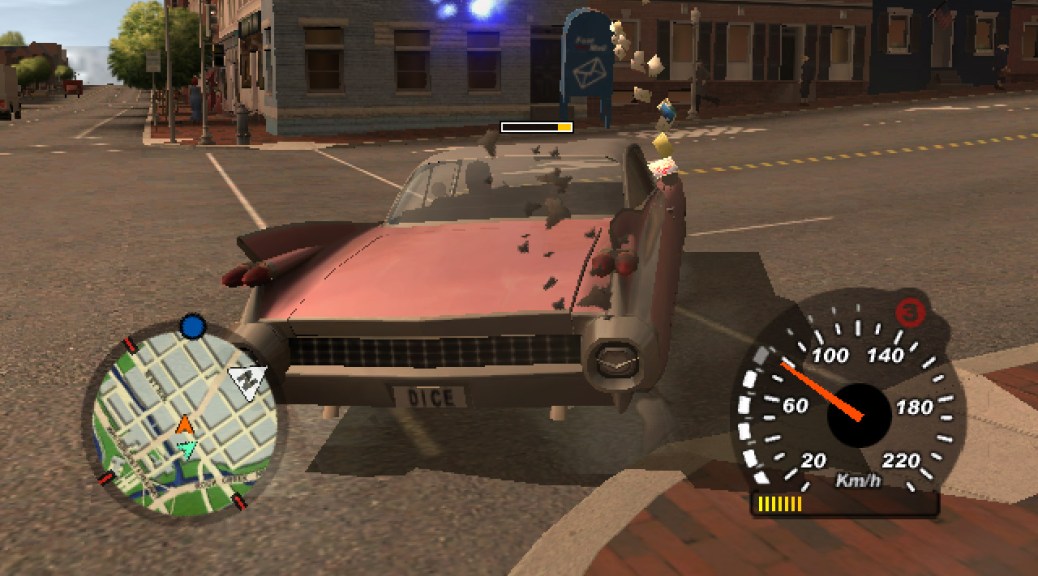
Midtown Madness 3, XBox
Microsoft‘s Midtown Madness games have always been fun to play, but this third instalment in the series is arguably the best, with the most detail. It was an original XBox exclusive, first released in 2003.
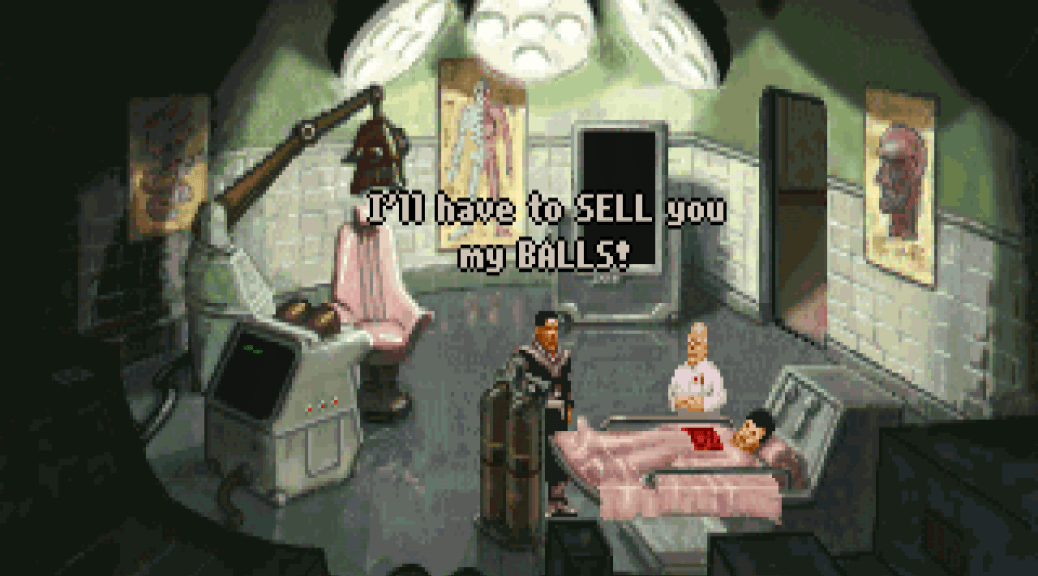
Beneath A Steel Sky, PC
Revolution Software‘s second point-and-click adventure (after Lure of the Temptress); first released in 1994; Beneath A Steel Sky is a humorous, futuristic, dystopian, “film noir” mystery, co-designed by legendary comic artist Dave Gibbons.
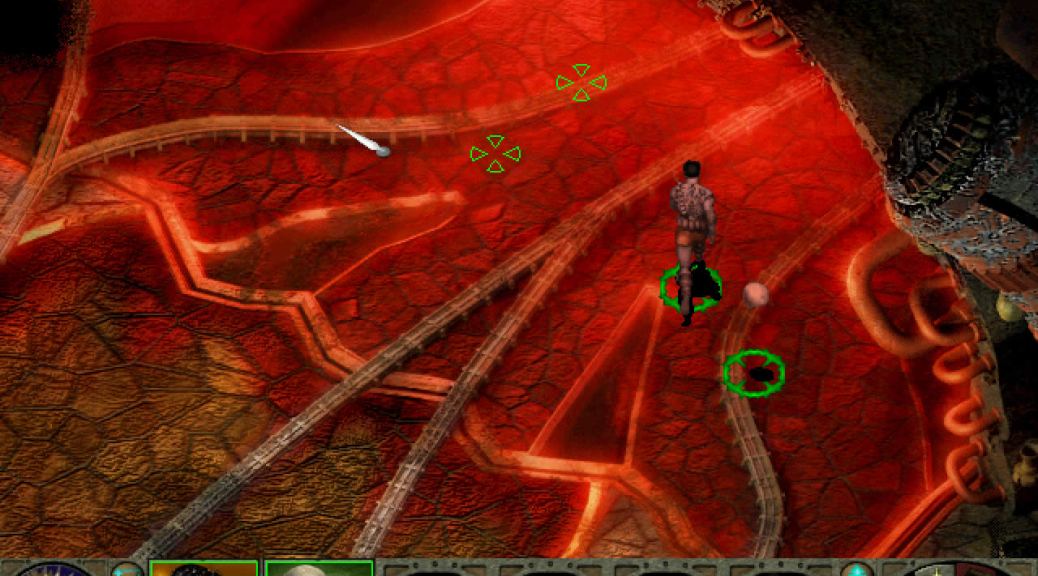
Planescape: Torment, PC
Created by Black Isle Studios using the BioWare‘s acclaimed Infinity Engine, Planescape: Torment is a classic Role-Playing Game with isometric graphics and a simple point-and-click interface.
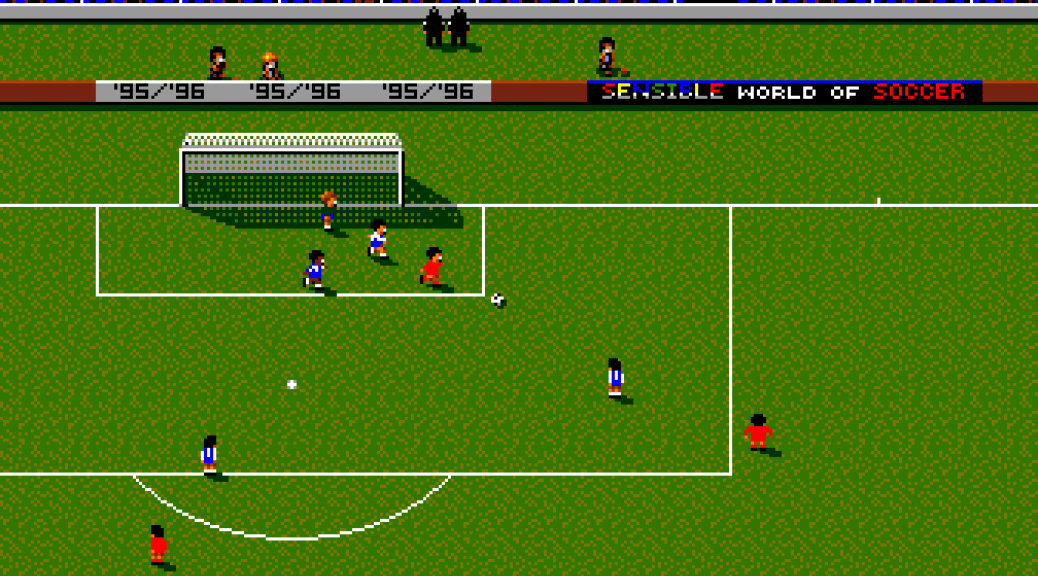
Sensible World of Soccer, Amiga
Arguably the best version of Sensible Soccer, on any system. It has international and domestic teams, leagues, cups, friendlies, career mode, specials, and more. The level of detail is quite remarkable.
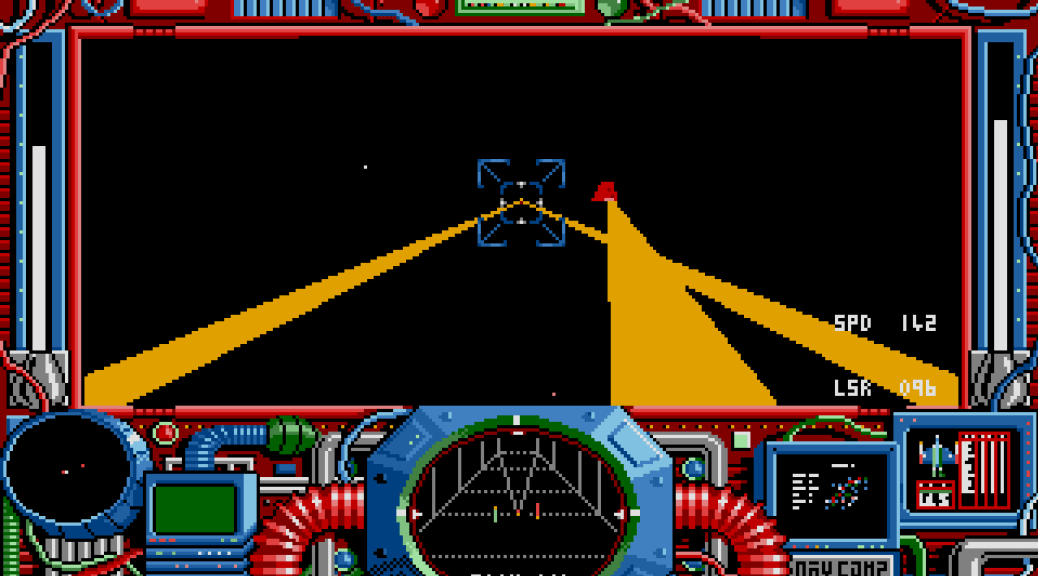
Federation of Free Traders, Atari ST
A space exploration and trading game from 1989 that was meant to rival Elite. And it almost did. Except for a fundamental problem… The problem was: travelling around; jumping from planet to planet was… To put it mildly: sticky.
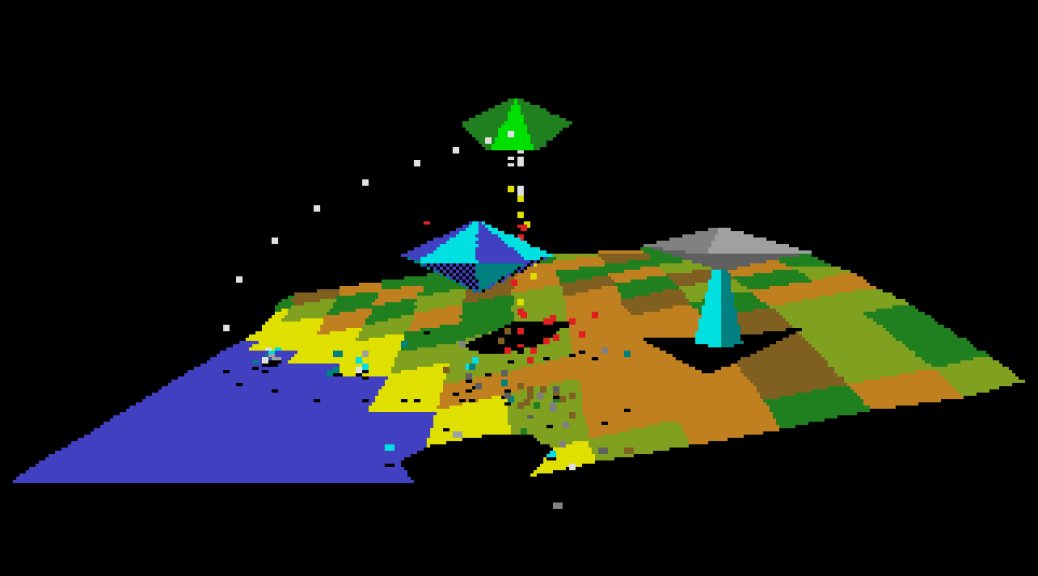
Virus, Atari ST
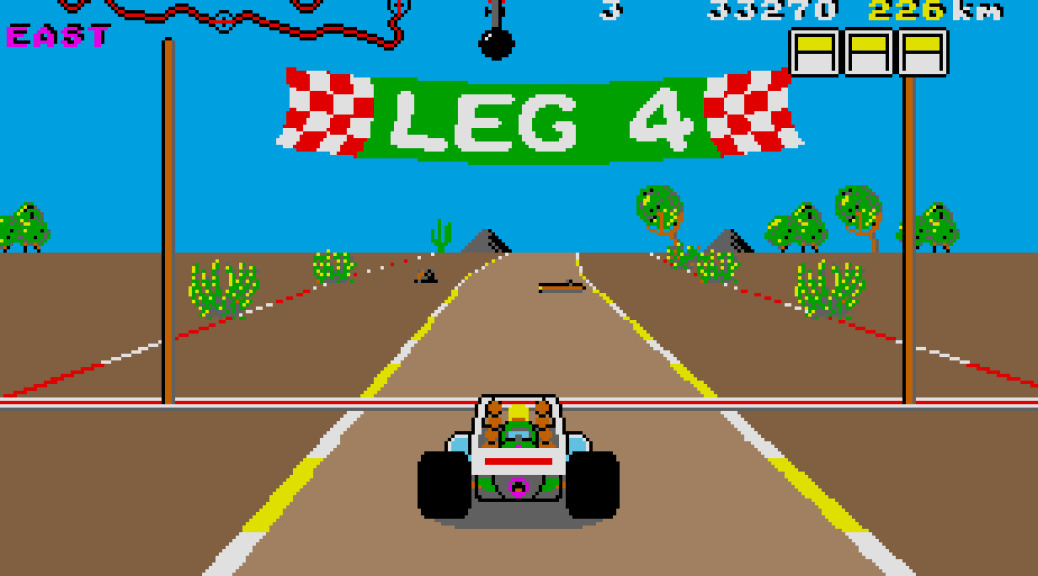
Buggy Boy, Atari ST
This 1988 Atari ST release, by Elite Systems, is a solid conversion of the classic Tatsumi arcade game.
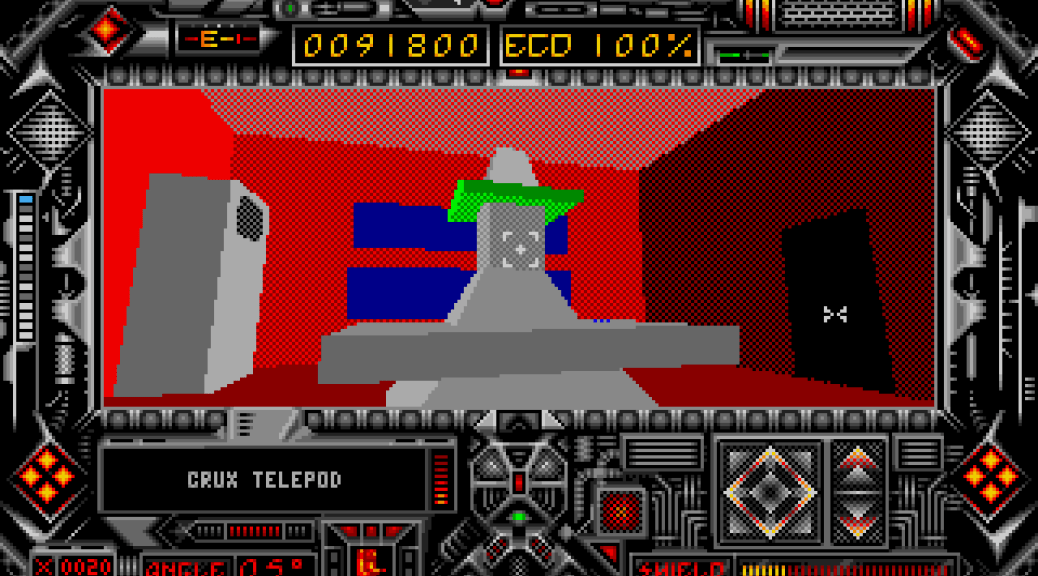
Dark Side, Atari ST
Dark Side is the second Freescape game from Major Developments and was published by Incentive Software (Microprose in the US).
Freescape was one of the earliest (if not THE earliest) 3D game engine and was used to make a series of significant games in the mid Eighties.

