
I’ve played a number of bad lightgun shooters with digitised graphics recently and Taito‘s 1994 arcade game, Under Fire, is probably the worst of the bunch.
Tag Archives: crime

Lucky & Wild, Arcade
Lucky & Wild is a one or two-player lightgun shooter from Namco that is incorporated into a driving game. Not only does each player hold a handgun in one hand, but they also have a steering wheel and two pedals (accelerate and brake) to contend with. That might sound like too much to handle, but it works well in the context of a car chase shoot ’em up. Which is what this game is. Imagine Chase HQ crossed with Operation Wolf, and you get Lucky & Wild.

Maximum Force, Arcade
Maximum Force is the ‘spiritual successor’ to Atari Games‘ hit lightgun shooter, Area 51. It was developed by Mesa Logic (the same company who made Area 51) and features the same style of gameplay and graphics – pre-rendered backgrounds and environments; fixed, on-rails camera movement, and shot-on-video digitised characters. The game was first released into arcades in 1997 and caters for one or two players.

Lethal Enforcers, Arcade
Lethal Enforcers is the first in a series of arcade lightgun shooters from Konami. It was initially released in 1992 and features digitised photos of people and places, which was relatively innovative back in ’92, but by today’s standards now looks pretty rough.

Chase HQ, FM Towns
The FM Towns conversion of Taito‘s classic arcade game, Chase HQ, looks great and plays well, and is also considerably easier than the arcade original, which may appeal to some. It was published by Ving in 1991 in Japan only.
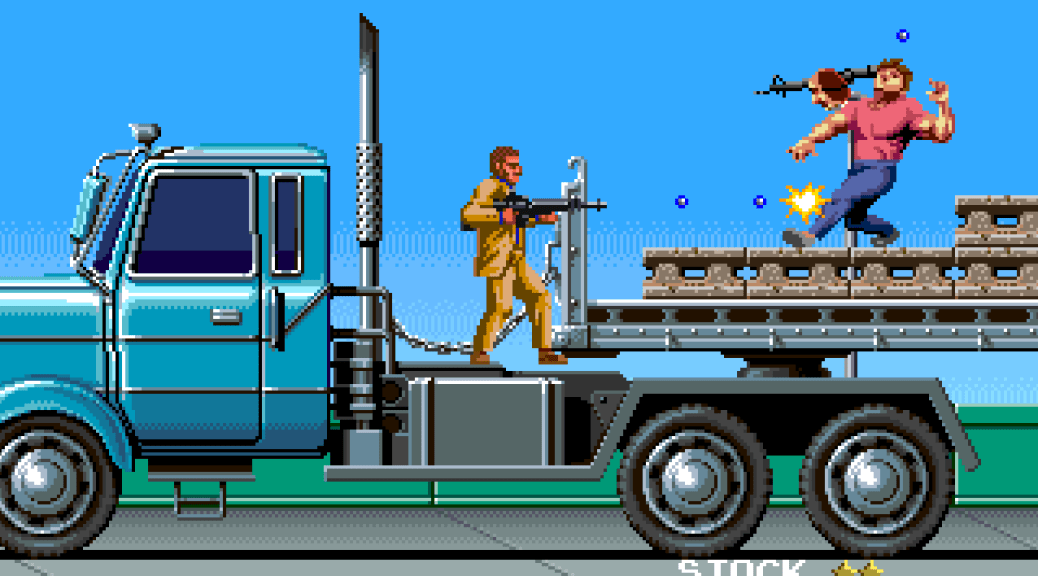
Crime City, Arcade
Taito‘s Crime City in an obscure run-and-gun arcade game, first released in 1989. It is part of the Chase HQ series, and the two playable characters – Tony Gibson and Raymond Brody – are the same leads as in the first Chase HQ. You can play either alone, or two players can play the game simultaneously, cooperatively.

RoboCop, Arcade
Released into arcades by Data East in 1988, RoboCop is unusual because the game was licensed from Ocean Software, who had acquired the video game rights at script stage, when the case was usually arcade companies licensing to home companies. The arcade and home versions were developed simultaneously and are a mixture of run-and-gun and beat ’em up-style gameplay.

Judge Dredd: Dredd vs. Death, GameCube
The Nintendo GameCube version of Dredd vs. Death was published by Evolved Games in North America and Sierra in Europe in 2003. It was developed by Rebellion, the owner of the 2000AD brand.
Judge Dredd: Dredd vs. Death is a first-person shooter that at least tries to make good use of the Judge Dredd license, and to a large extent it succeeds quite well.
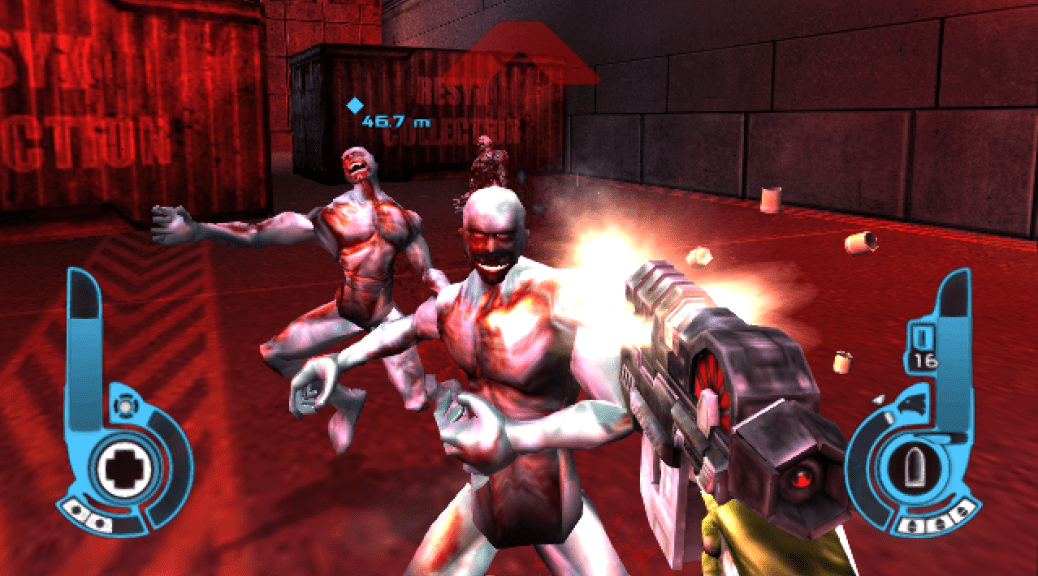
Judge Dredd: Dredd vs. Death, PlayStation 2
Released in 2003 for PC, PlayStation 2, GameCube and XBox, Judge Dredd: Dredd vs. Death is a first-person shoot ’em up developed by Rebellion and based on the infamous 2000AD comic character of Judge Dredd. And – so far (at the time of writing) – it is really the only Judge Dredd game that does the source material any real justice (pun intended). The game is almost twenty years old now, but it’s still worth playing nowadays.
Continue reading Judge Dredd: Dredd vs. Death, PlayStation 2
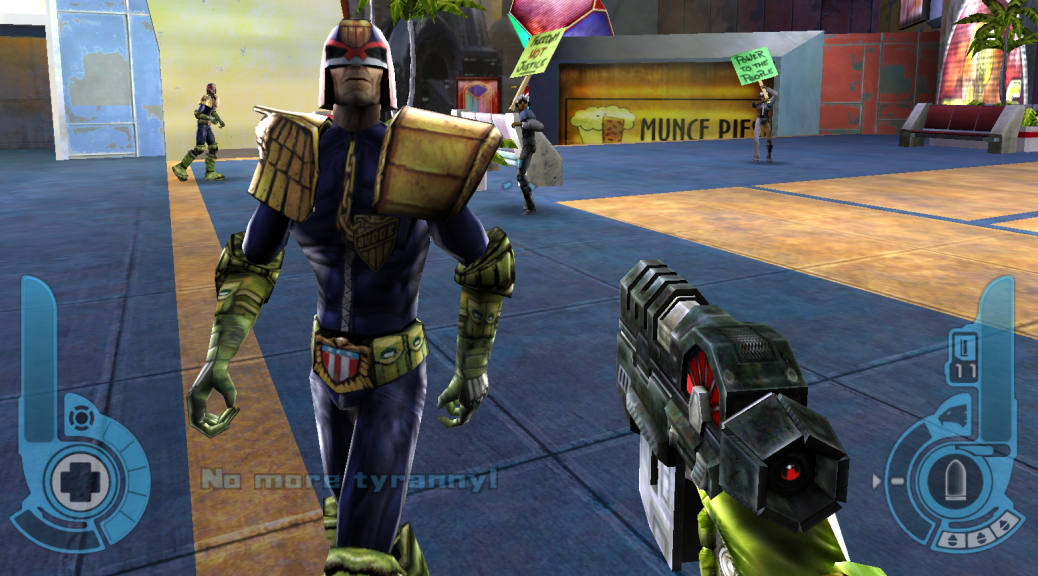
Judge Dredd: Dredd vs. Death, PC
First released in 2003 by Sierra, Judge Dredd: Dredd vs. Death is a first-person shooter developed by Rebellion that is based on the famous British comic character who rose to prominence in 2000AD comic during the ’70s and ’80s. In fact: Dredd vs. Death is arguably the only decent Judge Dredd game that’s been made, to date.
 The King of Grabs